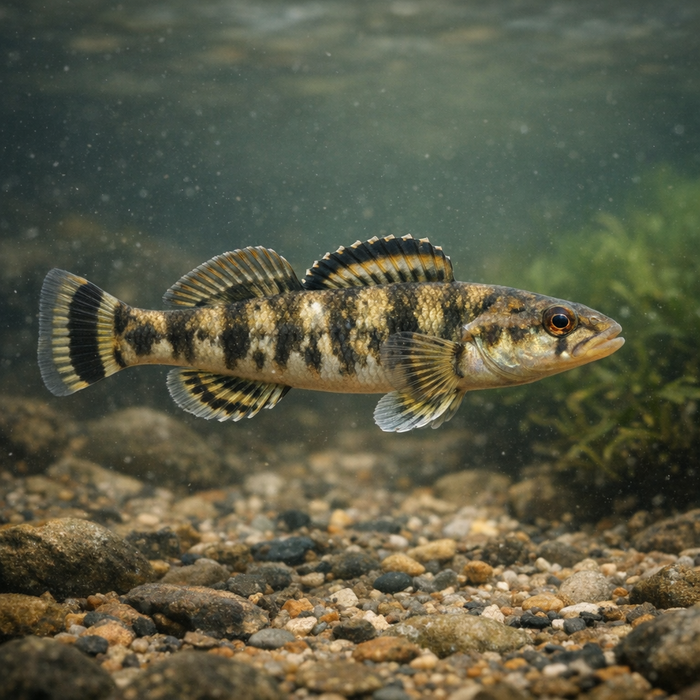
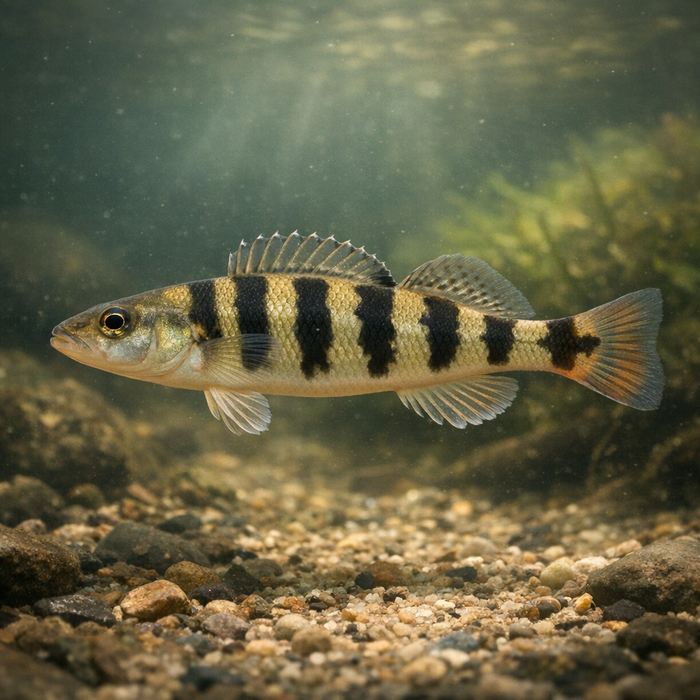
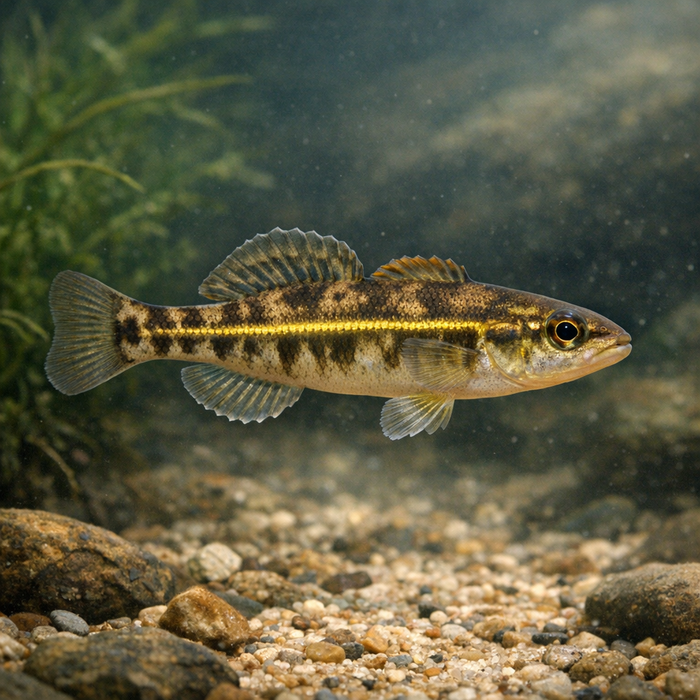
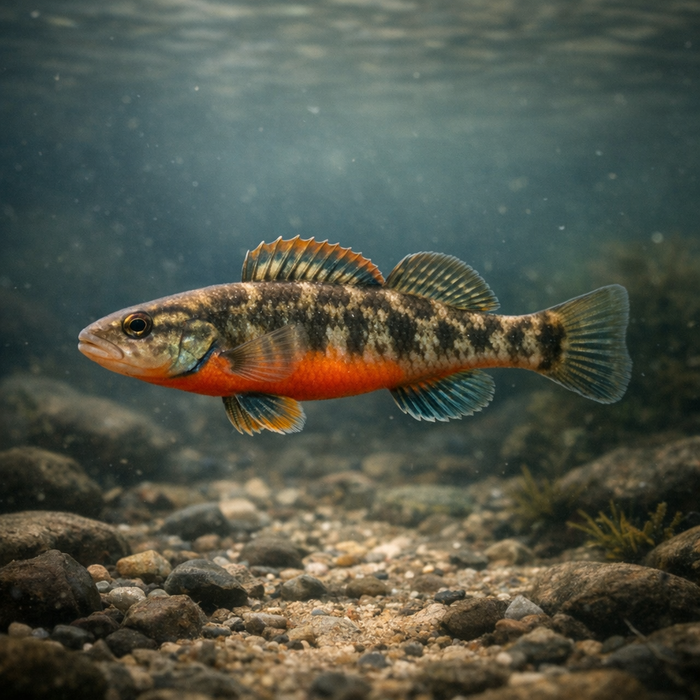
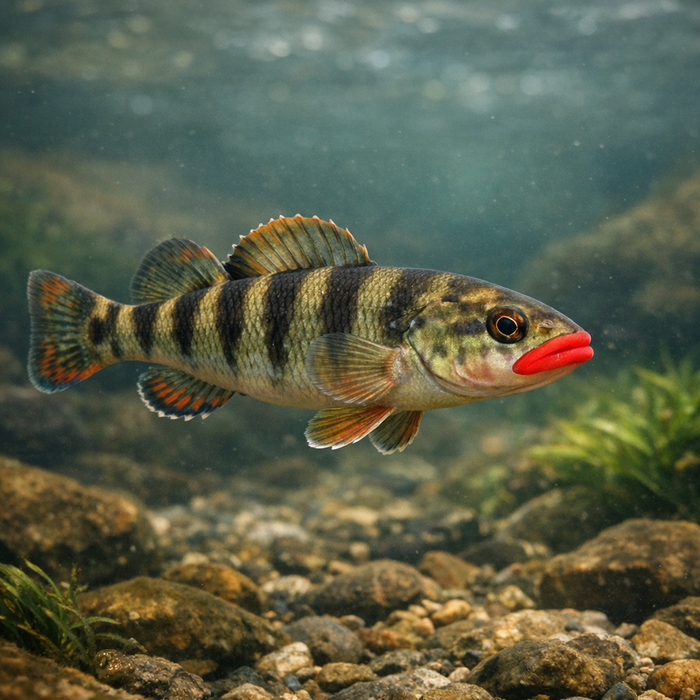
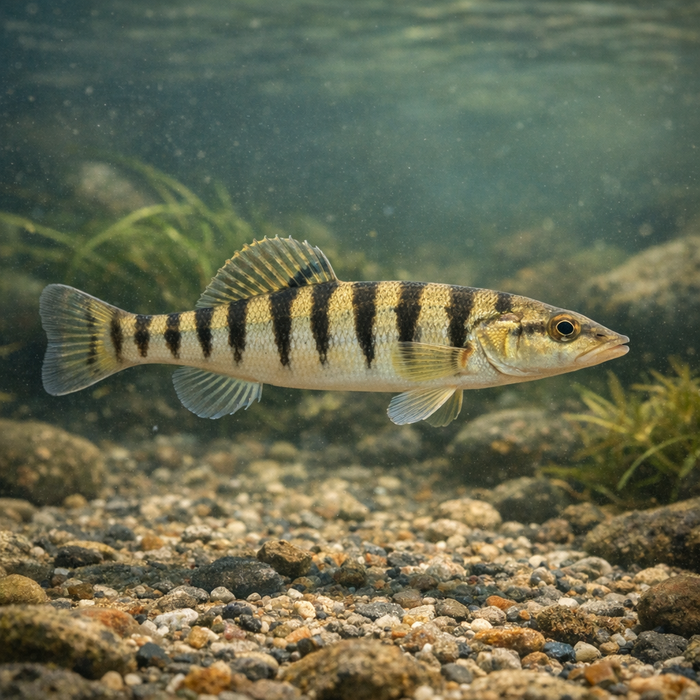
Creole darter (Etheostoma collettei): Tiny, Gulf-plain attitude with bottom-hugging swaggerIntroductionThe Creole darter is proof that small fish can have big personality. This is a micro-sized, riffle-loving sprinter that trades open-water drama for close-quarters intrigue. Blink and it scoots. Nudge a pebble and it vanishes. For anglers who like puzzles more than pull, the Creole darter delivers. If you've been hunting for real Creole darter facts and practical intel without the textbook fluff, welcome to the shallow end where the action actually happens.What Makes the Creole darter Unique?First, the package: streamlined, elongated, and wired for life tight to the bottom. The Creole darter's subterminal mouth is a precise vacuum for insect larvae, and those broad pectoral fins act like kickstands for holding in current. Second, its seasonal wardrobe: breeding males throw on smoky vertical bars and orange-edged dorsal fins that pop especially in tannic, tea-colored flow. Finally, its origin story: formally described in 1994 and named for ichthyologist Bruce Collette, this fish slid under the scientific radar for decades, hiding among lookalikes until careful work split it out.Habitat & Global RangeLet's keep it straight: Creole darter habitat means Gulf Coastal Plain creeks and small rivers, with a soft spot for sand-and-gravel runs, firm-bottomed riffles, and the edges where woody debris meets current. Think Louisiana and neighboring drainages that push into Mississippi. These aren't big, brawling rivers; they're intimate waters where six inches of depth can be enough and two feet can feel cavernous. Flow pulses matter. After a rain, fresh current can shuffle fish around, but they don't migrate like salmon. They reposition to the best feeding lanes, hugging the bottom and letting the river do the grocery delivery.Behavior & TemperamentThe Creole darter is a burst-move predator at ant scale, feeding low and fast. It would rather scoot than swim, tucking into micro current breaks behind pebbles, roots, and twigs. It's not particularly aggressive, but it's suspicious. Heavy footfalls and sloppy presentations put it on high alert. Expect short feeding windows tied to comfortable light and flow. The fight? Measured in eyebrow raises, not drag runs. That's the point. This fish is for anglers who enjoy cracking the code: drifting a fleck of worm or a midge nymph perfectly along the bottom without snagging every leaf in the parish.Ecological ImportanceTiny doesn't mean trivial. The Creole darter links stream invertebrates to larger predators, converting mayfly and midge larvae into calories that power the food web. Because it stays glued to the substrate, it's also a bellwether for stream health. Excess silt, low oxygen, or chemical shocks show up quickly in darter communities. When Creole darter numbers look good, the base of the creek's pyramid usually does too. That makes it a compact indicator species with outsize value to biologists.Conservation & Environmental PressuresMost data suggest the Creole darter isn't in the headlights right now, but the usual suspects lurk: sediment from careless development, channelization, poorly timed water withdrawals, and runoff that nukes invertebrate production. These fish don't have the luxury of moving offshore when the party gets rowdy. They're married to the creek bed. Protecting riparian buffers, keeping stormwater filtered, and resisting the urge to "neaten" small rivers go a long way. If you're microfishing, keep it barbless, keep it wet, and keep your brag shots quick.The FishyAF TakeThe Creole darter is a specialist that rewards patient anglers. It won't yank your rod, but it will sharpen your brain. Learn to read current at pebble scale. Learn to move like a heron, not a water buffalo. And appreciate a fish that paints its fins orange just to flex, then disappears by dropping an inch closer to the bottom. If you ever needed proof that finesse beats brawn, the Creole darter is your coach. Chalk this one up as a pocket-sized trophy in skill, not size-and now you've got both the vibe and the actionable Creole darter habitat wisdom to find it.