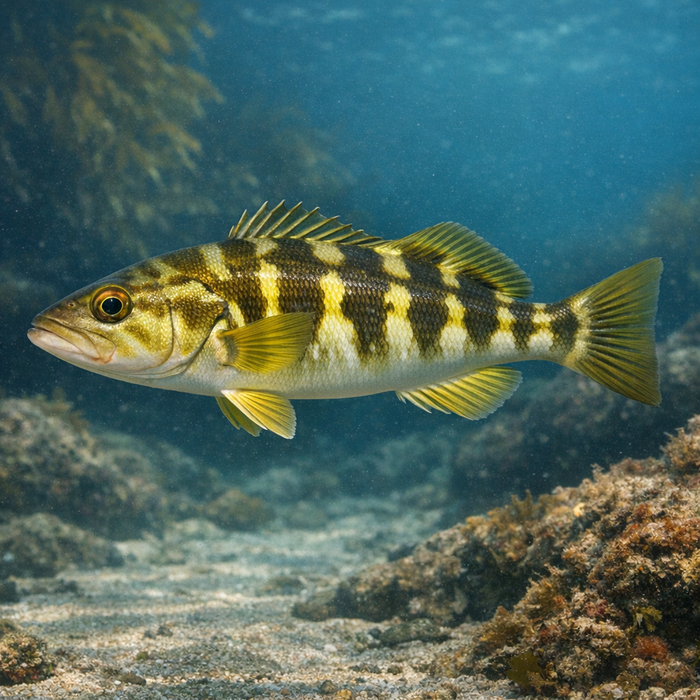
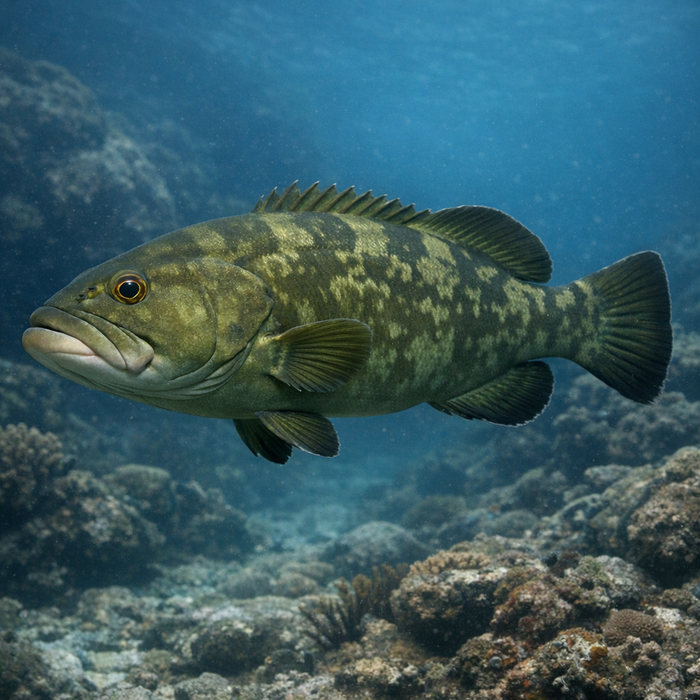
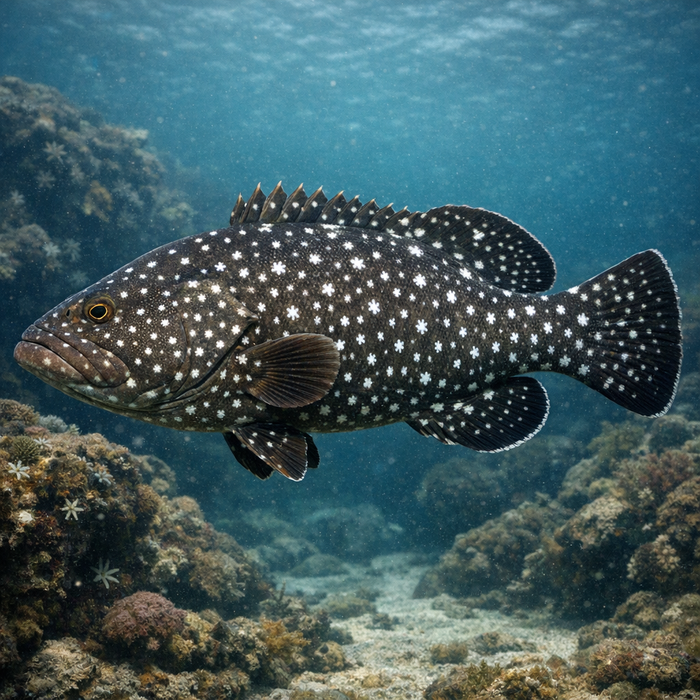
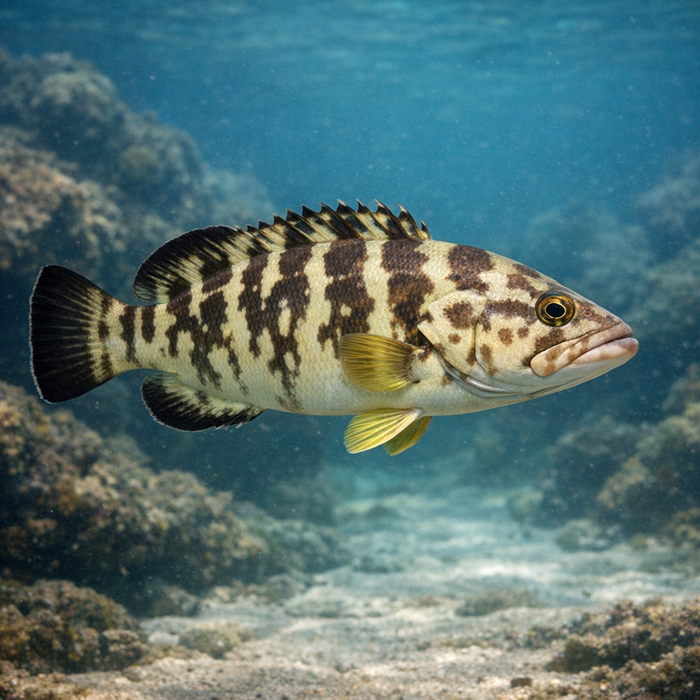
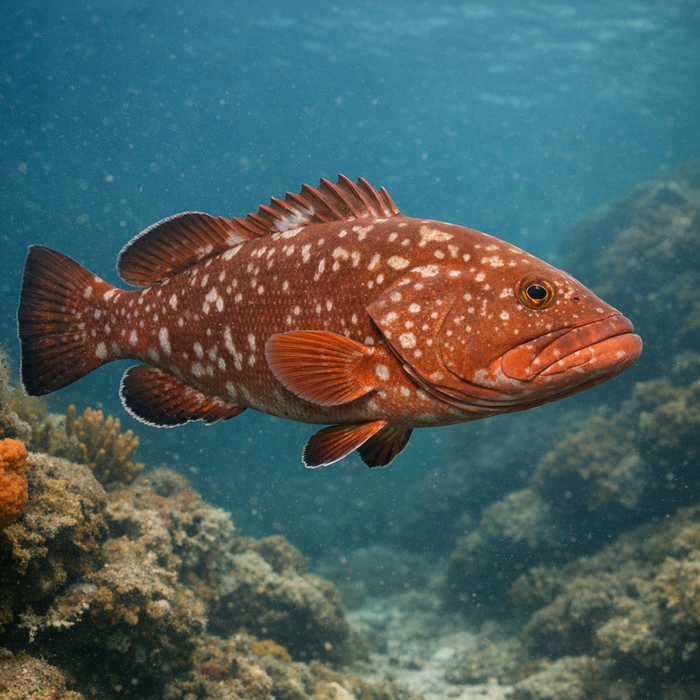
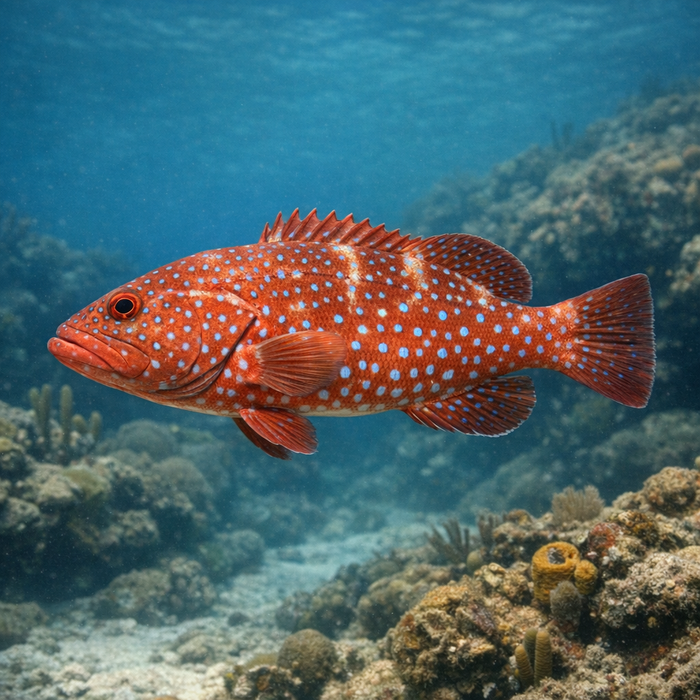
Creole-fish (Paranthias furcifer): The reef's purple confetti with grouper DNA and midwater swaggerIntroductionThink grouper attitude without the couch-potato bottom-hugging. The Creole-fish rides the blue lanes above steep reefs, schooling hard, flashing wine-red and purple, and smashing bites like it's late for dinner. Divers adore the spectacle; anglers stumble into them while probing drop-offs and current edges. If you want a quick hit of reef chaos, few species deliver like a fired-up pack of Creole-fish.What Makes the Creole-fish Unique?Most groupers lurk. This one commutes. The Creole-fish forms dense schools in the water column, often tens of feet above the structure. Instead of ambushing from a cave, it chases tiny prey in open water, built for hover-and-dart action with a deeply forked tail. It also follows the serranid playbook on sex change: many females flip to male at larger sizes, keeping the school balanced. Add flashy coloration that pops under blue water and you've got a reef fish that doesn't act like its cousins. File that under Creole-fish facts you actually remember.Habitat & Global RangeIf you're mapping Creole-fish habitat, look for deep outer reef slopes and walls swept by steady current. They prefer the blue side of the reef, the edge where drop-offs meet open ocean. They work midwater over coral or rocky relief and are as likely to roam above a ledge as they are to touch it. Across much of the tropical Atlantic and Caribbean, they show up where the water is clear, the current moves, and bait drifts along a contour. Anglers typically encounter them from roughly 60 to beyond 200 feet when jigging or sending down small live baits.Behavior & TemperamentSchooling is their superpower. Creole-fish behave like a flock of starlings underwater, pivoting as one, compressing into a pulsing ball when a predator slides by, then relaxing into a ribbon of purple. They're opportunistic feeders and not particularly paranoid when the school is tight, which is why a small metal jig or micro soft plastic often gets crushed on the drop. Hook one and expect pinwheels and fast circles rather than big dogged runs. Land one and you'll often spark a flurry as the school wakes up and competes.Ecological ImportanceCall them energy movers. Creole-fish graze the zooplankton highway, converting drifting micro-prey into bite-sized packets for larger predators. Midwater schooling serranids like this knit together the top of the reef with the blue water beyond, bridging a gap many bottom groupers ignore. Their protogynous life history supports stable breeding groups, and their abundance makes them a buffet signal for pelagic hunters scouting reef edges.Conservation & Environmental PressuresThey're listed as Least Concern in much of their range, and that tracks with how often divers see them. Still, deep-reef communities live and die by water clarity, current, and temperature stability. Add overfishing of larger predators and the system can wobble. Local harvests for food are common, and reef fish anywhere can brush against ciguatera risk in some islands. Mindful take, good handling, and selective harvest are smart defaults on dynamic reefs.The FishyAF TakeThe Creole-fish is the guilty pleasure of deep-reef sessions: quick hits, pretty colors, and constant motion. It's not a trophy grouper, and it doesn't pretend to be. But when the ledge is quiet and current hums, a fluttering micro-jig in their lane is like ringing a dinner bell. If you measure fun in bites per minute and love watching a graph light up with midwater marks, this species is your candy run. Chalk up another one for anglers who read the blue side of the reef and know when to fish the air above the rocks.