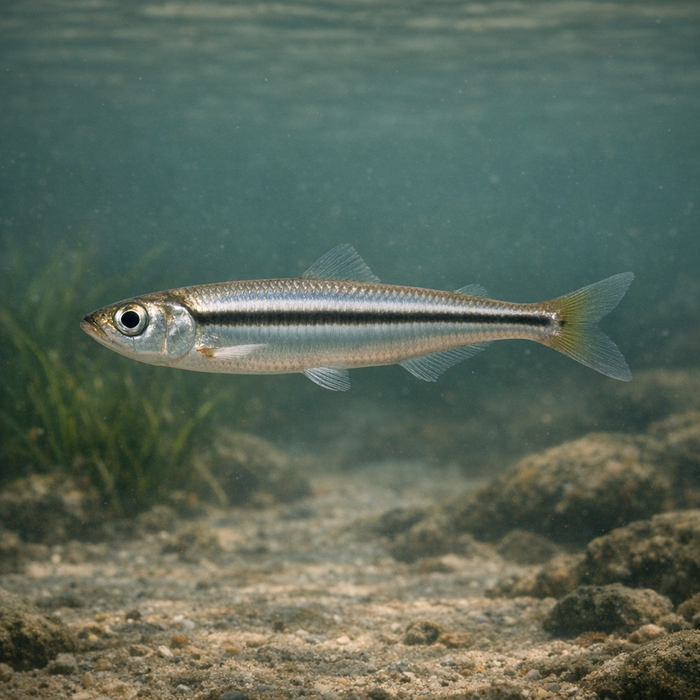
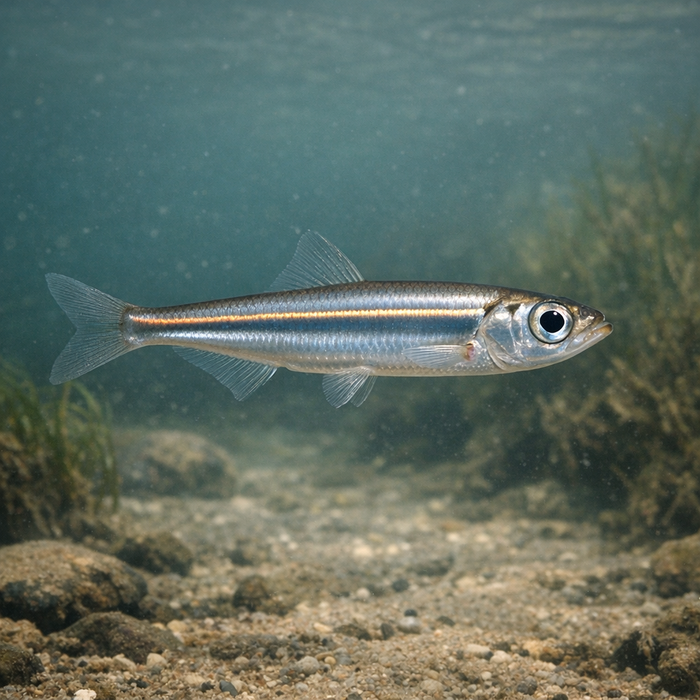
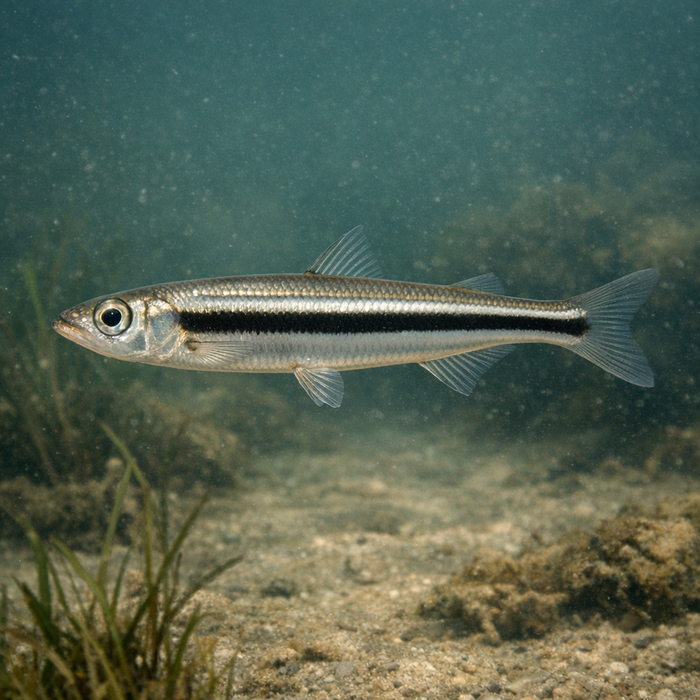
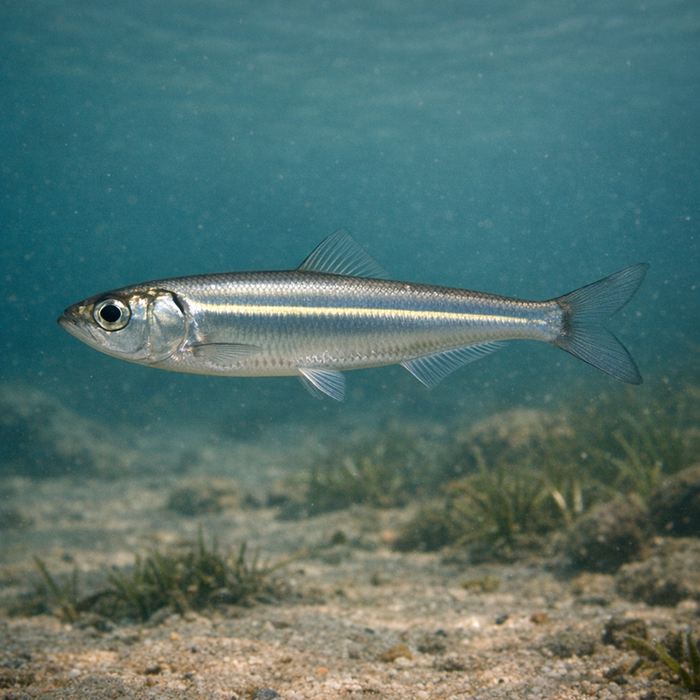
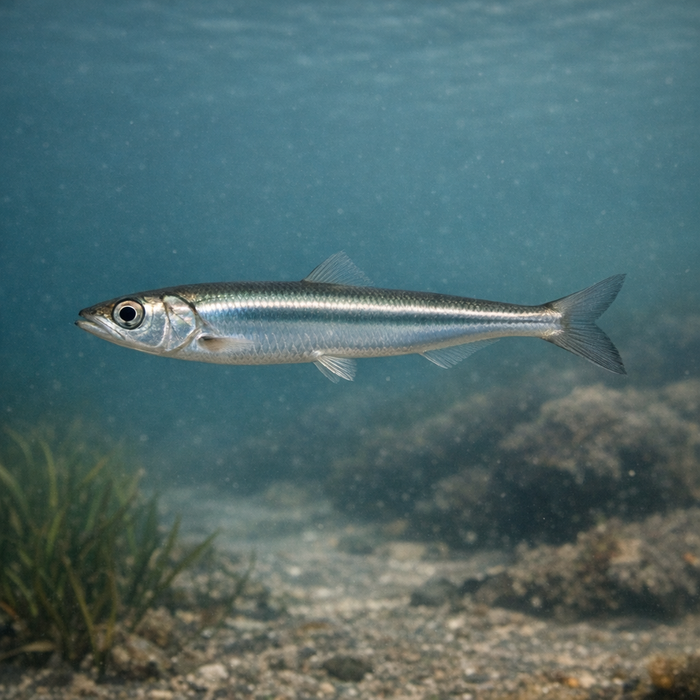
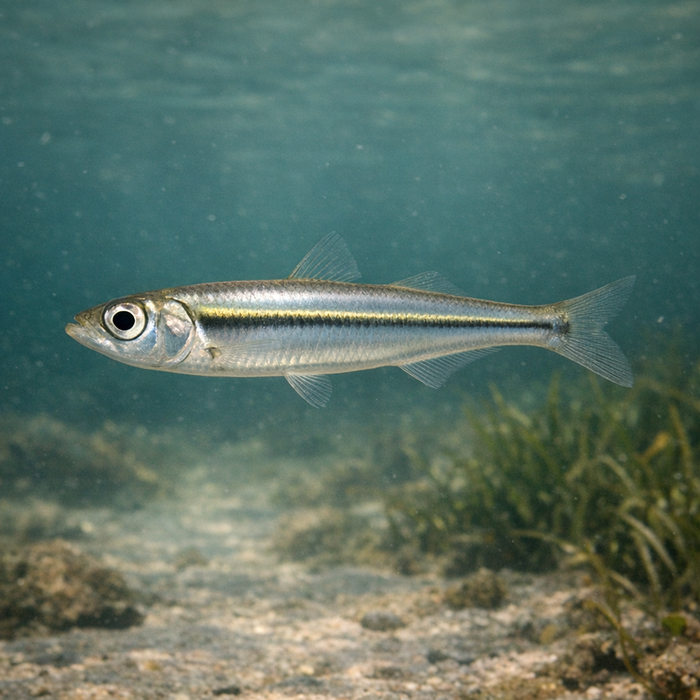
Deep Body Anchovy (Anchoa compressa): The small fish that turns predators ravenous and bait tanks happy.IntroductionThe deep body anchovy is the little silver engine that powers big coastal mayhem. It's pocket-sized, deep-chested for an anchovy, and schooling by the thousands right where anglers live: estuaries, surf zones, and mellow coastal current lines. Want to light up roosterfish, jacks, or bonito? First step is usually a pile of these. Here's your crash course in deep body anchovy facts without the snooze factor.What Makes the Deep body anchovy Unique?Most anchovies are needle-thin. This one wears its name honestly: the deep body anchovy has a taller, more compressed profile than its cousins. That chunky silhouette throws serious flash in a school, which likely helps the group track each other in choppy water and confuses predators. It's also a planktivore with a wide, hinged mouth and dense gill rakers, turning tidal soup into fuel at ridiculous efficiency. Fast growth, early maturity, and short lifespan mean population booms when conditions line up, especially where current concentrates plankton.Habitat & Global RangeIf you're scanning for deep body anchovy habitat, aim your eyes at warm, nearshore Pacific waters, especially bays, river mouths, and surf-washed beaches from the tropical eastern Pacific. They ride edges: current seams, pier light halos, and gentle breakers where food drifts past all day. Schools shift with tide and wind, stacking up on leeward sides of structure or pushing shallow under low light. They're not a bluewater fish; think coastal commutes, not ocean crossings.Behavior & TemperamentThey are classic schooling baitfish: nervous, synced-up, and explosive when panic hits. One shadow from a predator and the water erupts into pinwheels of silver. At night, artificial lights pull them tight, holding schools in comfortable feeding lanes. During the day, they slide between surface and midwater, often tight to shore in clean, oxygen-rich water. They're fragile on the line, so gentle handling and small hooks matter if you want them lively for bait.Ecological ImportanceThe deep body anchovy is a conveyor belt that turns microscopic life into muscle for coastal bruisers. Roosterfish, jacks, mackerel, bonito, and seabirds key on their schools, and whole fisheries pulse with their ups and downs. They seed food webs with a reliability only fast-recruiting forage fish can manage. When plankton blooms align with warm seasons and favorable currents, numbers explode. Miss the timing and predators work harder. It's not dramatic to say your inshore game can live or die by this fish's cycles.Conservation & Environmental PressuresThey're not the headline act for conservation groups, but they're still vulnerable to the usual suspects: water quality crashes in bays, habitat loss around estuaries, and localized over-harvest for bait or reduction. Because they mature quickly, populations can rebound in good years, but the flip side is boom-and-bust sensitivity to temperature swings and current shifts. Keep an eye on runoff, algal blooms, and hypoxia events. When the soup spoils, anchovies vanish and the lights dim on the rest of the party.The FishyAF TakeYou don't target deep body anchovy for hero shots. You target them because everything else wants to eat them. For anglers, they're mission-critical currency. A bucket of sturdy, lively anchovies will out-fish a pocket full of fancy lures on the wrong day. If you're serious about inshore predators, learn their patterns, work the lights, carry a sabiki, and baby them in the well. Deep body anchovy habitat is your roadmap to roosters and company; master the bait and the game opens up. Small fish, huge leverage.