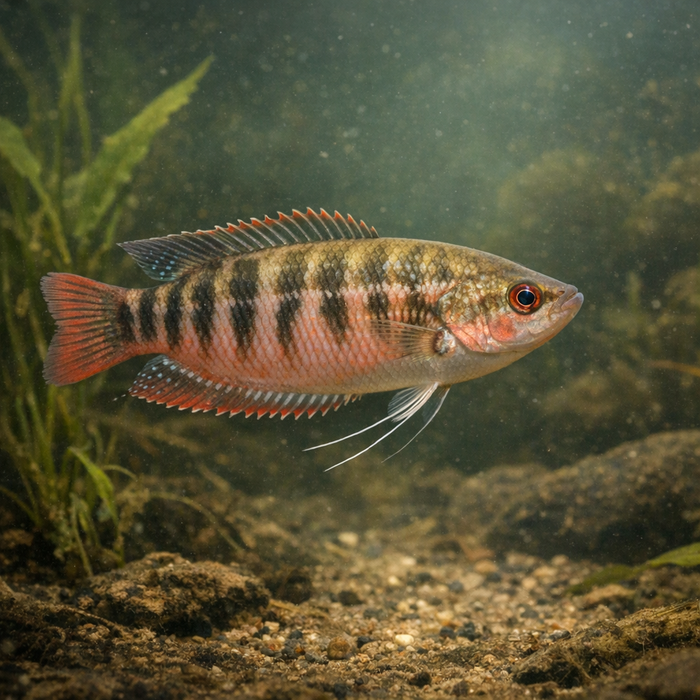
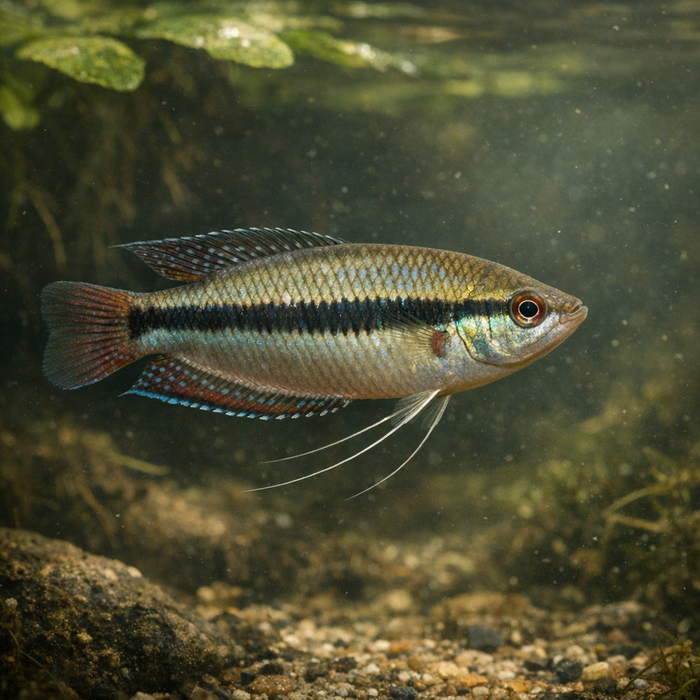
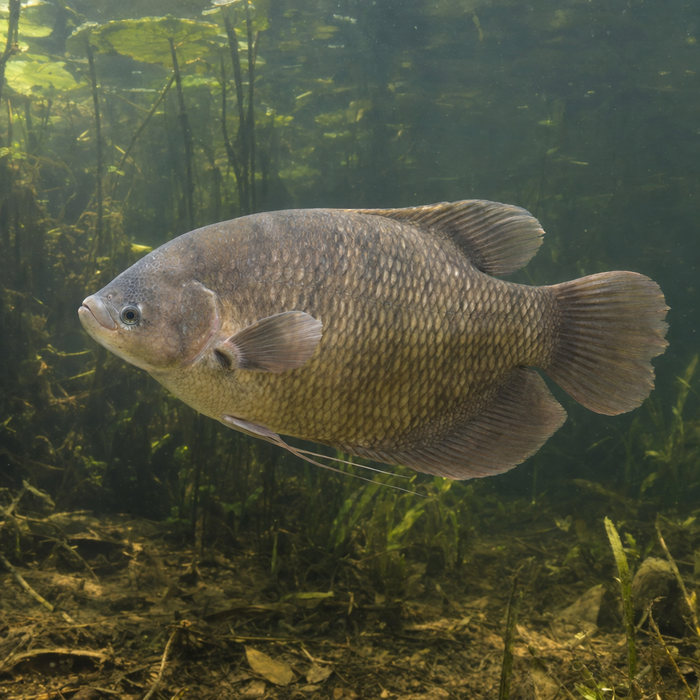
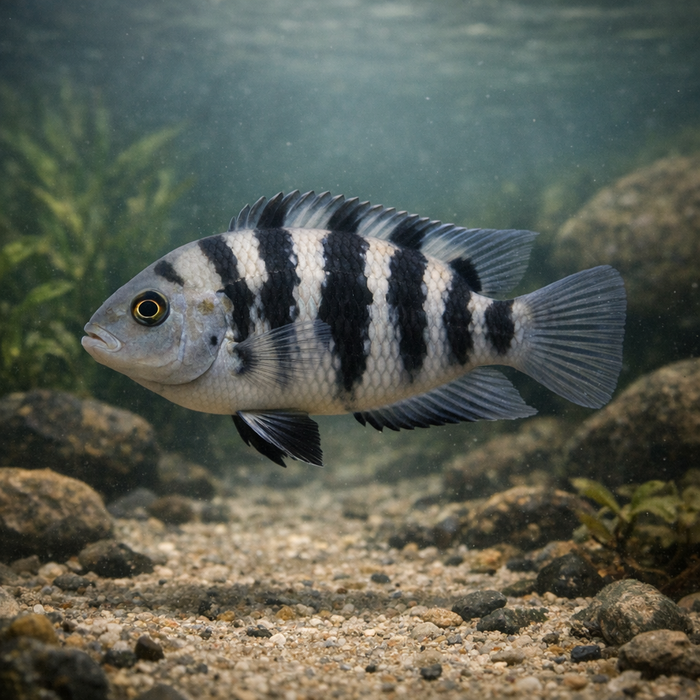
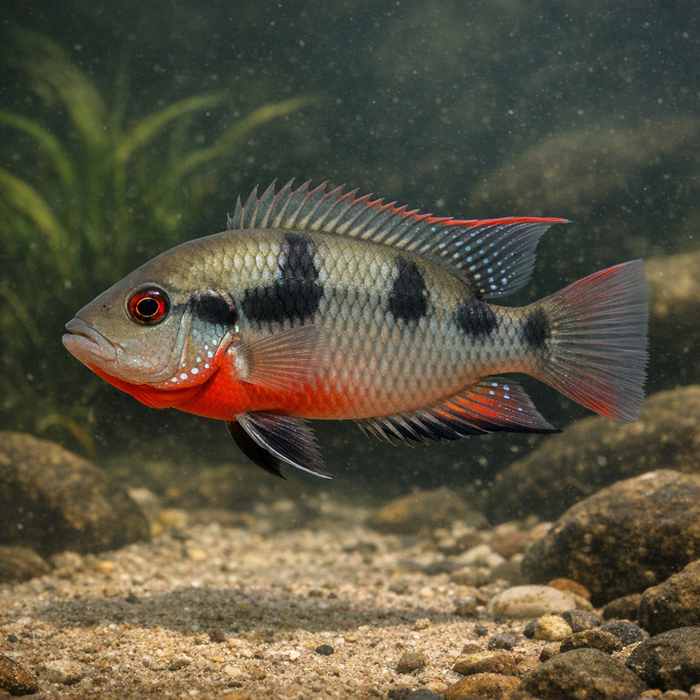
Dwarf Gourami (Trichogaster lalius): A pocket-sized bruiser with neon swagger and an air-breathing party trick.IntroductionThe dwarf gourami looks like someone wrapped a fighter jet in turquoise and orange candy stripes, then shrunk it for a teacup pond. For anglers who like microfishing or just appreciate wild, living colors, this little labyrinth fish is a surprise hit. It sips air, builds bubble mansions, and throws more attitude per ounce than most big-name gamefish. If you want straight-up, memorable Dwarf gourami facts without the aquarium fluff, keep reading.What Makes the Dwarf gourami Unique?Start with the labyrinth organ. The dwarf gourami can breathe atmospheric air, so it thrives where oxygen is low and other fish bail. Then there's the foam-architect vibe: males blow sticky bubble nests and guard them like grumpy landlords. Finally, coloration. Wild males light up with vertical turquoise and red bars that intensify during courtship, turning a calm puddle into a glowing sign that says I own this spot.Habitat & Global RangeWhen anglers talk Dwarf gourami habitat, think warm, quiet water loaded with cover. We're talking weedy canals, rice paddies, floodplain ponds, and slow backwaters with floating vegetation. Native to South Asia with a footprint across the Ganges-Brahmaputra systems and nearby basins, they hang in knee-deep or shallower zones where plants, shade, and slack current gather. They're homebodies more than travelers, patrolling little territories and ducking into plant tangles at the first hint of trouble.Behavior & TemperamentFor something that rarely tops four inches, the dwarf gourami acts like it runs the swamp. Males get territorial, flaring fins and chasing rivals, especially near a nest. They're surface-oriented browsers with upturned mouths, snatching insects, midge larvae, and fallen bits with surgical precision. They can be spooky in glassy conditions, but a gentle approach turns them curious fast. Expect short darting runs instead of long battles; finesse matters more than horsepower.Ecological ImportanceDwarf gourami are small but mighty in the food web. By hunting insect larvae at the surface and around vegetation, they help check nuisance populations and move energy from bugs to bigger predators. Their habit of working weedy edges keeps nutrients cycling in tight littoral zones, and their air-breathing resilience means they persist through low-oxygen events that reset other species. That stability can anchor small-water communities after harsh dry seasons.Conservation & Environmental PressuresIn the wild, the species is generally secure, but small waters are fragile. Urban runoff, pesticide pulses, and shoreline clearing erase the vegetation these fish rely on. Another wrinkle is disease pressure moving through the ornamental trade. Dwarf gourami iridovirus (DGIV) has hammered some captive stocks and could threaten local populations if released fish mix with wild ones. Responsible sourcing and zero releases go a long way.The FishyAF TakeThe dwarf gourami won't peel line or fill a fryer, but it will make you rethink what counts as good fishing. It's bright, tough, and absurdly charismatic for something that fits in your palm. If you like technical presentations and watching fish behavior up close, this species is gold. Slow water, a small float, and a tiny offering can turn a lifeless ditch into a micro-safari. Call it a gateway fish for anglers who notice details, or a victory lap for anyone who appreciates finesse over force. Either way, the dwarf gourami punches well above its weight class.