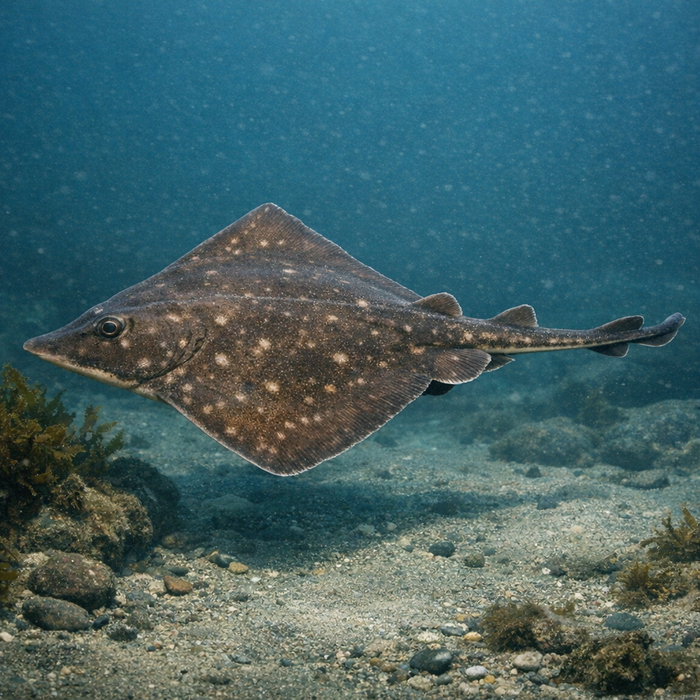
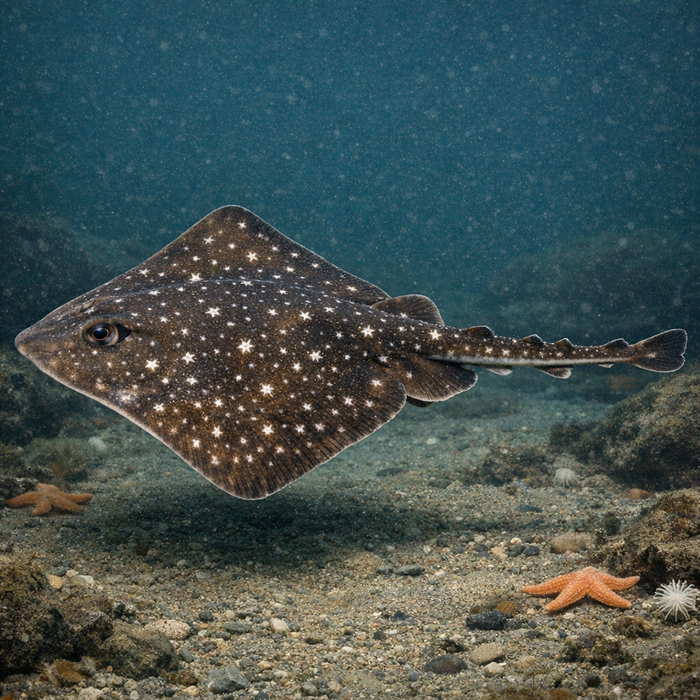
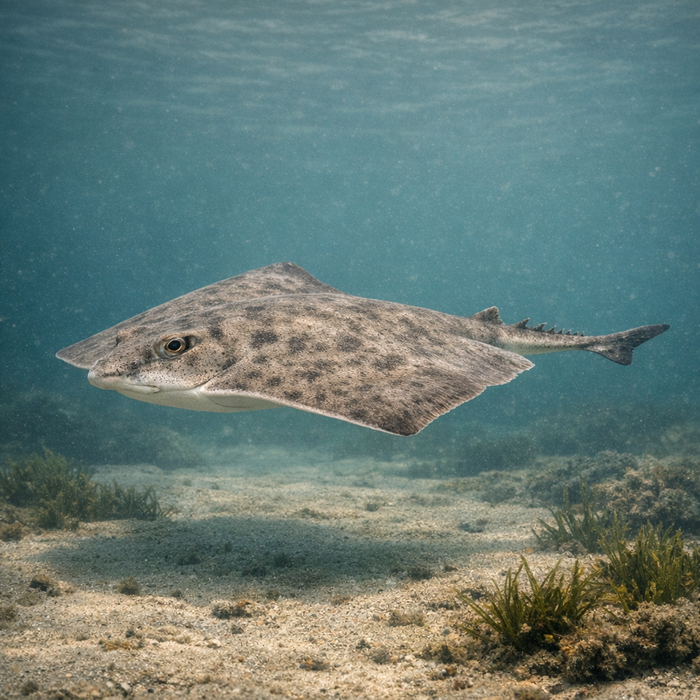
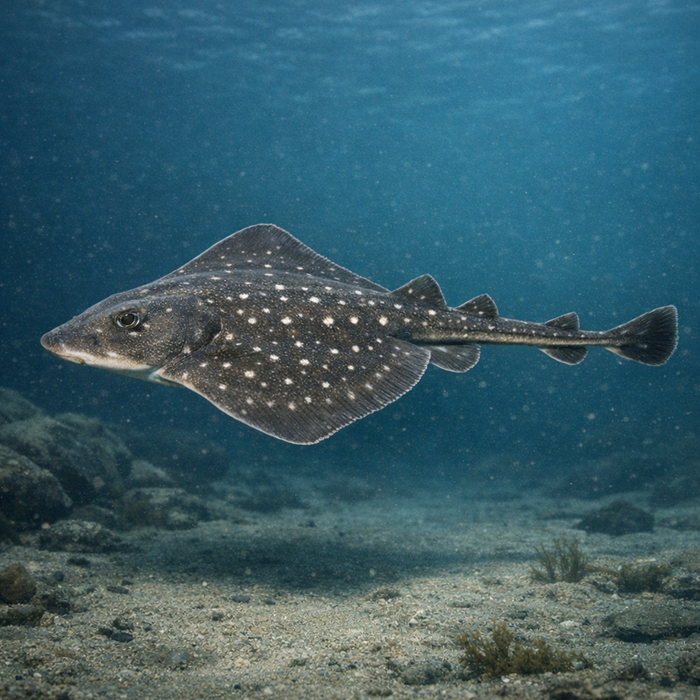
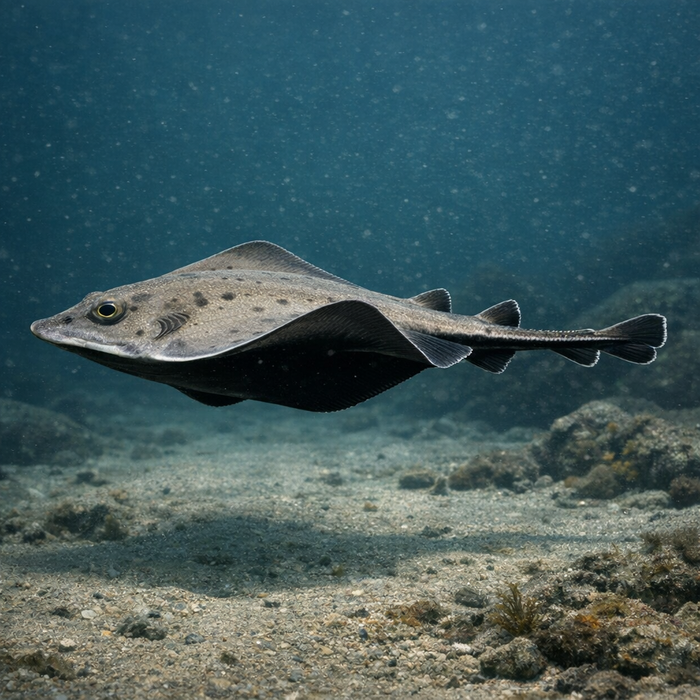
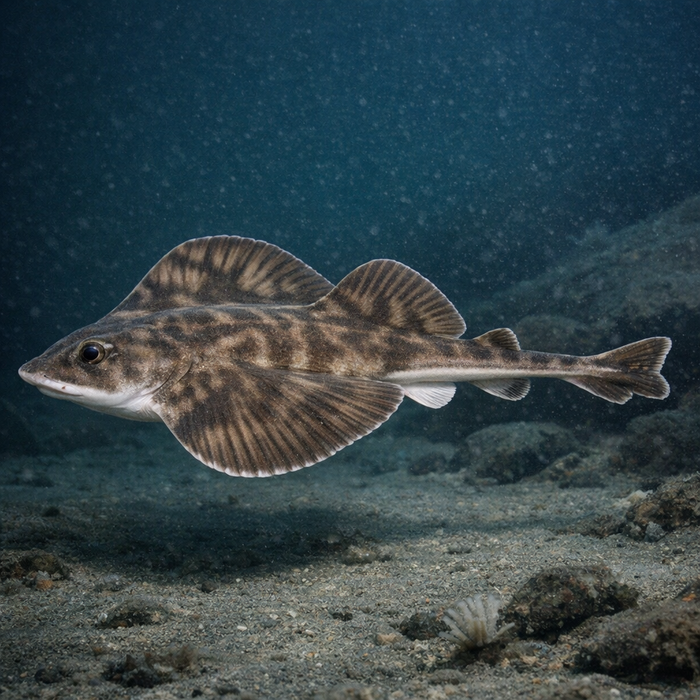
Electric Ray (Tetronarce nobiliana): A Bold, Memorable Hook LineIntroductionMeet the underwater stun gun with a face. The electric ray doesn't sprint, jump, or spool you like a tuna. It just calmly flips the breaker on whatever messes with it. If you bottom fish long enough in the Atlantic or Mediterranean, you might bump into this living battery. When you do, respect the business end. Electric ray facts start with a jolt, and so does any careless handling.What Makes the Electric ray Unique?Two shoulder-mounted electric organs set the Atlantic electric ray apart. They're not a party trick. These organs can unleash potent, repeatable shocks used to stun fish and tell bigger predators to buzz off. The disc is thick and almost plush compared to other rays, built like a submarine pancake designed for short lunges rather than cruising. Vision is meh, but the sensors are dialed in; this fish doesn't have to see you to deliver consequences. It's the most unapologetically "press button to win" predator on the bottom.Habitat & Global RangeWhen anglers ask about electric ray habitat, picture open swaths of sand and mud along continental shelves and gentle slopes. Tetronarce nobiliana roams temperate and subtropical Atlantic waters on both sides, plus the Mediterranean. Depths vary from nearshore edges to deep shelf zones. It settles into soft bottoms like a couch, sometimes burying itself to the eyes and spiracles. You'll encounter it where tides move bait over flats, on the edges of channels, and out on the shelf where trawlers work. It's not a structure hugger like a grouper; it's a patient pit boss waiting for the right moment.Behavior & TemperamentElectric rays are the definition of chill ambush predators. They don't waste energy. They lurk, they lurch, and then they light you up. At night, activity ticks up as prey fish and cephalopods wander within reach. The fight is a bulldog drag rather than a burner run. Land one and you'll notice how beefy the "shoulders" are; that's battery bank, not brawn. Handling is where anglers get humbled. The fish does not have to be angry to zap you, and it can fire several bursts in a row. Rubber gloves and insulated tools aren't overkill, they're wisdom.Ecological ImportanceThe electric ray plays the quiet enforcer in benthic communities. By preying on small fishes and invertebrates, it clips excess and keeps the food web honest. In turn, larger sharks and marine mammals occasionally test their luck, which usually ends badly for them after the first shock. Compared to high-strung pelagics, this species runs a slow metabolism and low gear, yet still owns its niche through technology evolution handed it millennia ago. Think of it as the taser in a world of teeth.Conservation & Environmental PressuresYou won't see hordes of electric ray anglers. Most encounters are bycatch from trawls, longlines, or casual bottom fishing. That under-the-radar status cuts both ways. It's not heavily targeted, but it can take hits from broad fishing effort, habitat disturbance, and water quality issues that push prey around. Formal assessments lag behind flashier species, so you'll often see "Data Deficient" tossed around. Practical takeaway: handle gently, release quickly, and keep your hands out of the circuit.The FishyAF TakeThe electric ray isn't your poster child trophy, but it is absolutely unforgettable. Few fish force you to change your handling plan mid-fight like this one. As a surprise guest on the line, it's a solid story generator. As a target, it's a specialty pursuit best done with purpose-built caution and a plan. Want Electric ray facts you'll remember? Here's one: the smartest move might be admiring it in the water, dehooking with distance, and letting this underwater battery slide back into the sand. Cool fish, no nonsense, and zero interest in your bravado.