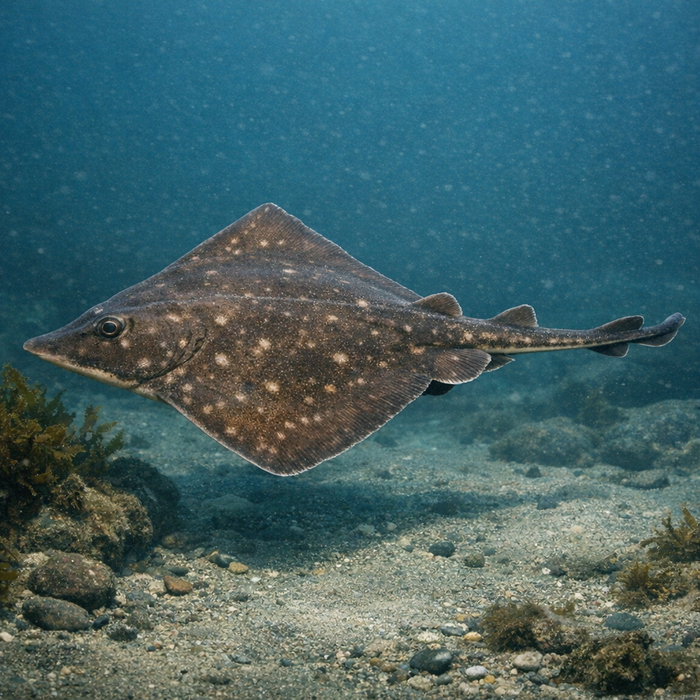
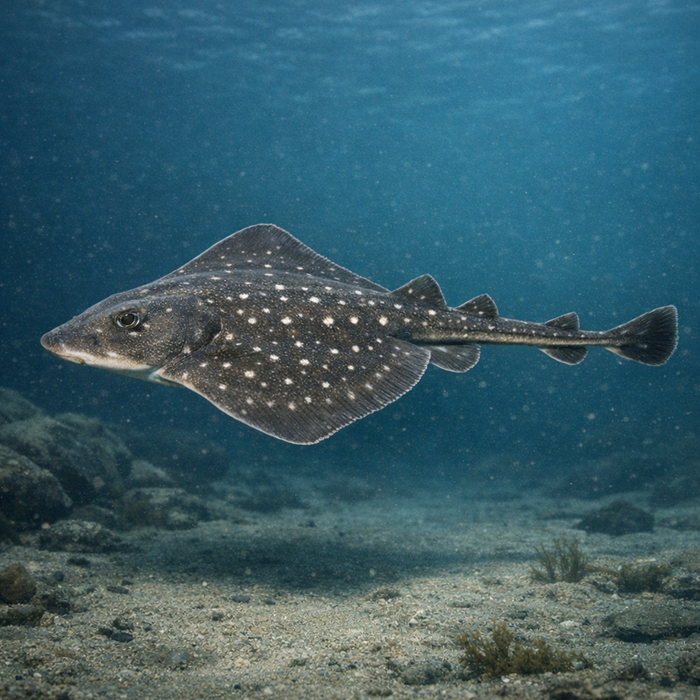
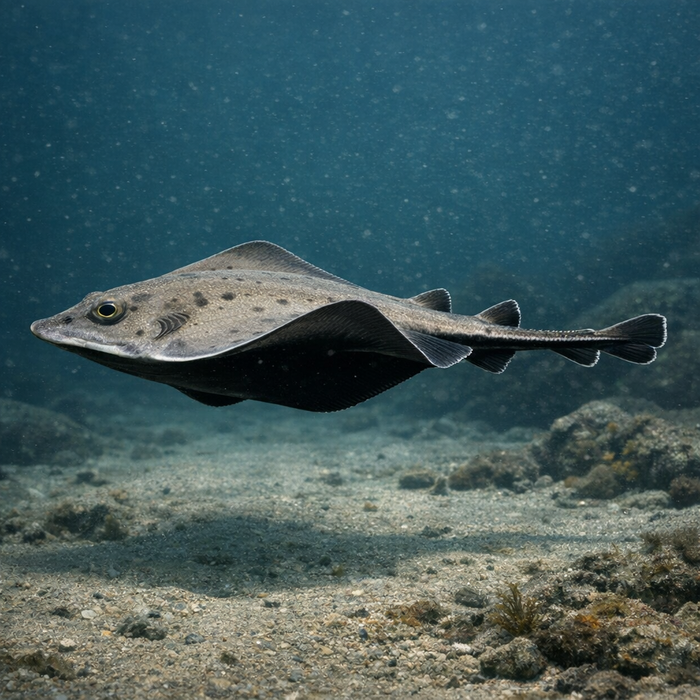
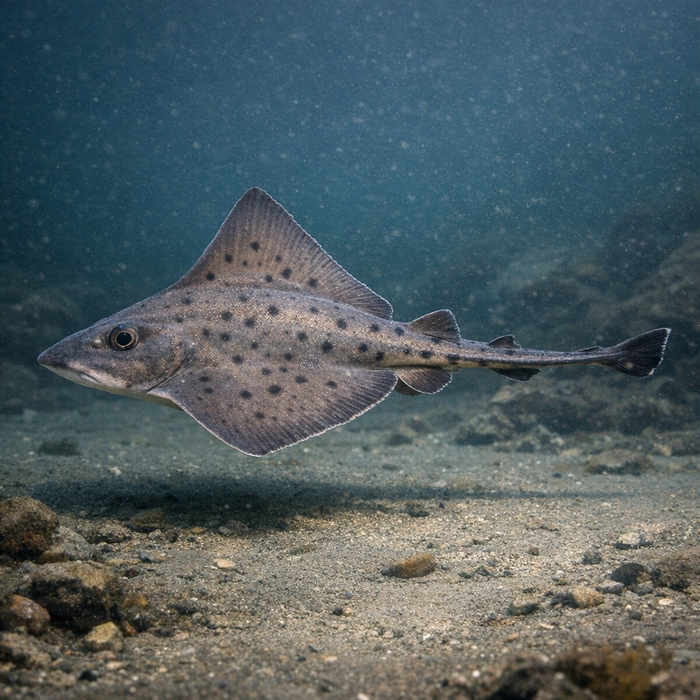
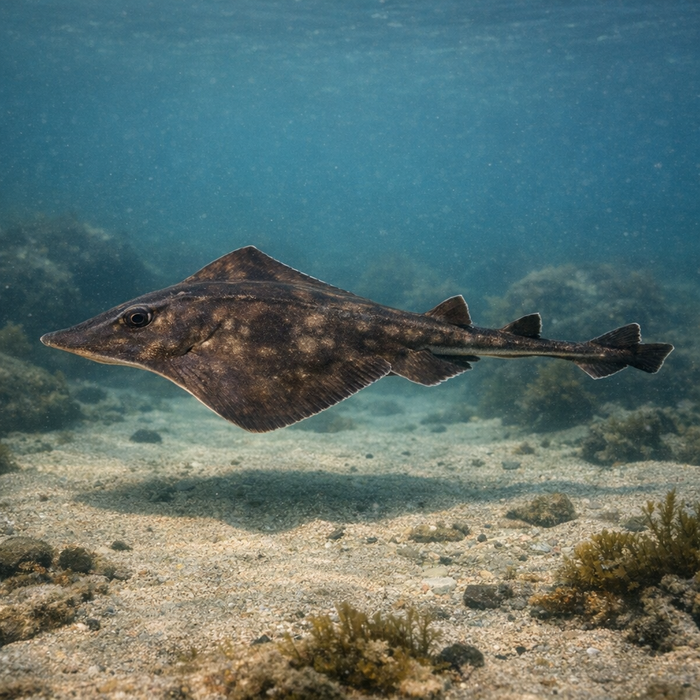
Starry Ray (Amblyraja radiata): A Bold, Memorable Hook LineIntroductionThe starry ray is the North Atlantic's armored doormat, a tough, thorn-plated skate that shrugs off cold and pins your bait to the deck with sneaky confidence. It isn't flashy like a tarpon or fast like a tuna, but if you fish cold coasts, you'll eventually meet one-and you'll remember the sandpaper hide and stubborn wing beats. If you're here for Starry ray facts or want to understand Starry ray habitat, you're in the right place.What Makes the Starry ray Unique?Start with the armor. The starry ray's back is paved with tiny stellate thorns, plus heavier spikes along the midline and tail. That starglow pattern is why the name sticks. Second, it's a ray with no stinger. This is a skate, not a stingray, so there's no venom barb-just grit, leverage, and a file-textured hide that could pass for medieval chainmail. Third, it's built for the deep chill. This fish is comfortable where your hands go numb, thriving across the cold shelves of the North Atlantic while most species bail for warmer water.Habitat & Global RangeThe starry ray hugs the bottom across the northern and northeastern Atlantic shelves, from Norway and Iceland to the British Isles, and across to Greenland and Atlantic Canada. Think sand, gravel, shell hash, and soft mud, usually in 60 to 600 feet, with seasonal wanderings shallower in stable, cool months and deeper when temperatures swing. Tidal edges, gentle banks, and contour breaks concentrate food and, by extension, skates. If you're reading a chart, picture long runs on relatively featureless ground with just enough texture to attract crabs, worms, and small fish.Behavior & TemperamentThis isn't a marauding pelagic; it's a sit-and-sip bottom feeder with bursts of grind. Starry rays patrol low and slow, settling, lifting, and settling again to ambush prey. Bites can feel like dead weight followed by steady wing beats. They're not shy about scent and rarely spook from a well-placed bait, but they will drop a bait if you wrench too soon. Groupings happen where food piles up, yet they're not tight schoolers. Time of day matters less than stable conditions and good current that ferries scent downrange.Ecological ImportanceSkates like the starry ray are the seafloor's blue-collar processors. By crushing crustaceans and mollusks, they recycle nutrients and keep benthic communities from bottlenecking. They're also prey for bigger cold-water hitters-think large cod and Greenland sharks-especially when young. Because skates deposit tough egg cases instead of giving live birth, their nursery grounds hinge on undisturbed bottom. Scuff up or trawl through those areas relentlessly and you can kneecap a whole cohort before it hatches.Conservation & Environmental PressuresThe starry ray has worn a near-threatened label in some assessments thanks to localized overfishing, bycatch in bottom trawls, and slow life history. Like many elasmobranchs, it grows at a measured pace and doesn't pump out offspring like herring. Habitat degradation and warming seas add modern curveballs. Still, in plenty of northern waters, it remains relatively common, especially where fishery management has stabilized effort. Correct identification matters: several skates share overlapping ranges and look similar when flopped on a deck, and rules may differ by species.The FishyAF TakeThe starry ray is the North Atlantic's underrated gatekeeper. It won't blister drags or leap for the camera, but it checks all the boxes for honest bottom fishing: methodical setups, real seafloor reading, and patience rewarded by that unmistakable thump-turn weight. Handle with respect-the hide, thorns, and tail row will chew gloves-and release bigger breeders when regulations allow. If you want to master northern ground game, start with starry rays. Crack that code, and everything else on the bottom gets easier.