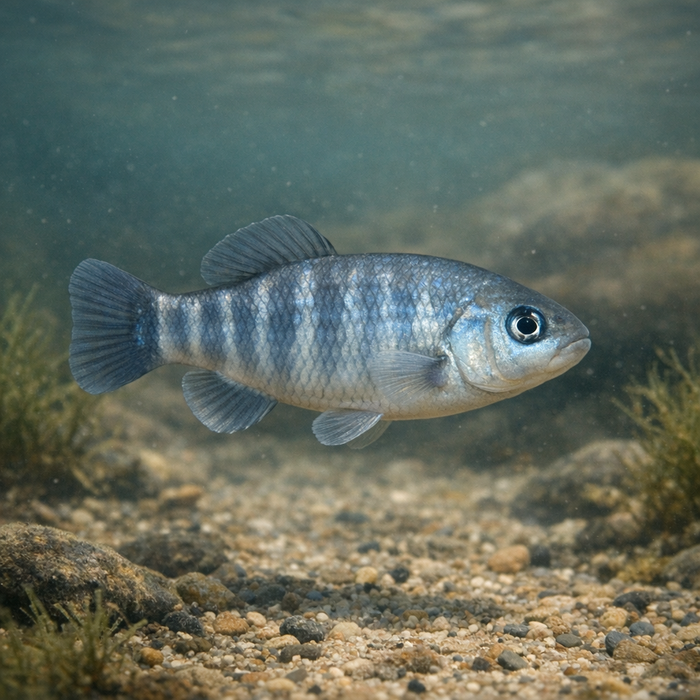
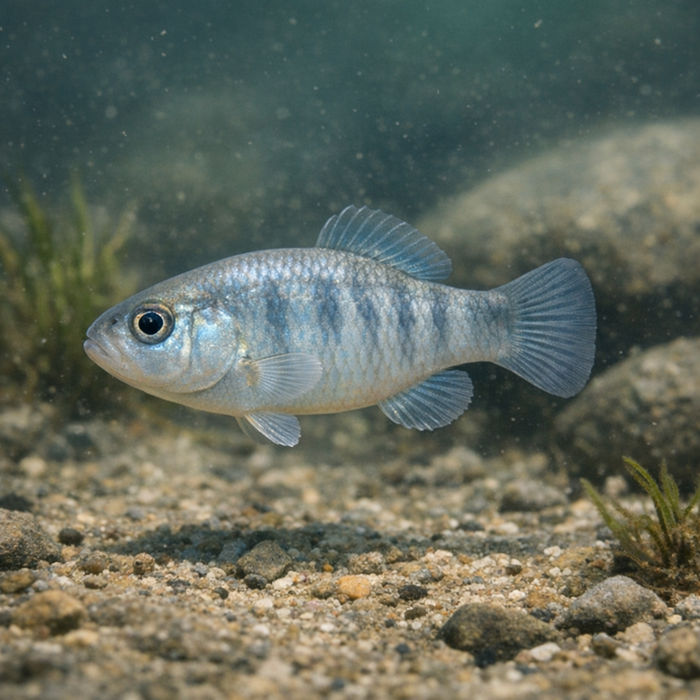
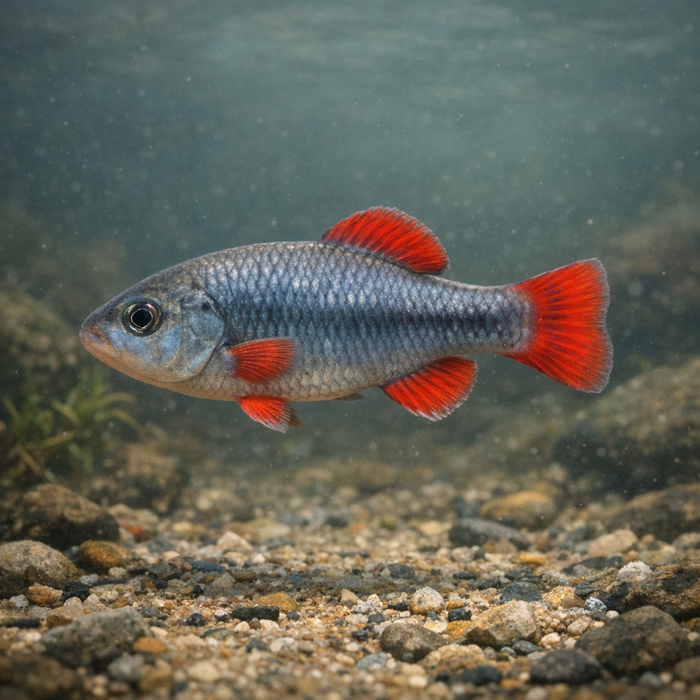
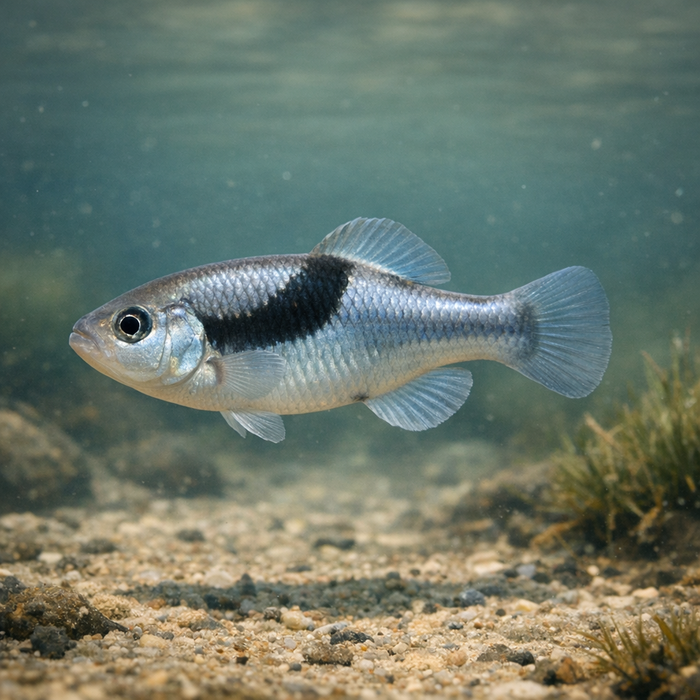
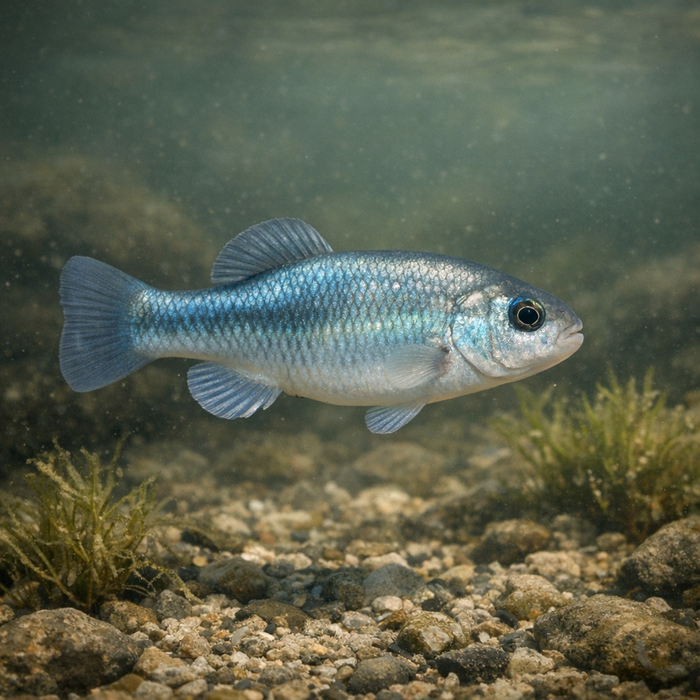
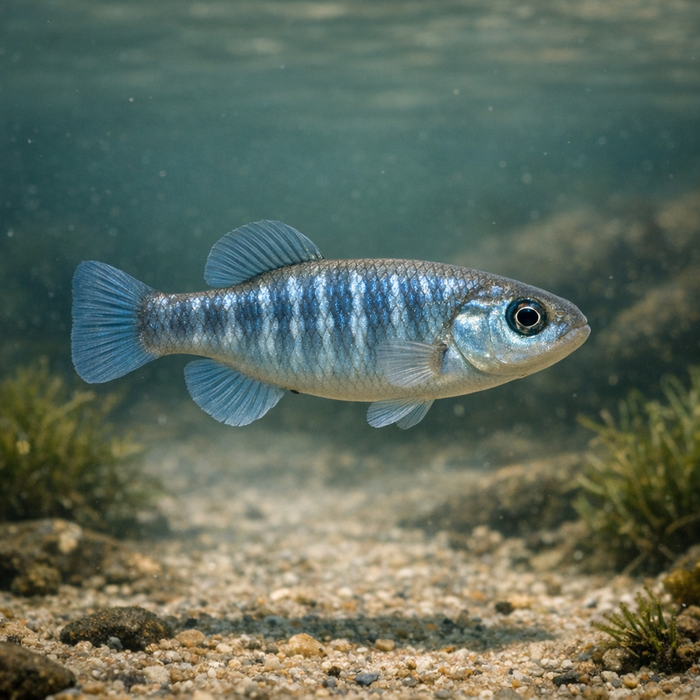
Flagfish (Jordanella floridae): The Algae-Grazing Micro BruiserIntroductionMeet the Flagfish, a thumb-length Florida native with outsized swagger. It's not a bass, it won't smoke your drag, and you won't mount one over the mantle. But if you like precision fishing and weirdly charismatic species, this little algae-mower will steal your afternoon and your heart. The Flagfish is compact, hardy, and decorated like a tiny patriot, and it's one of the best entry points into microfishing in the Southeast.What Makes the Flagfish Unique?First, the look. Males of the species show a stars-and-stripes pattern that gave the Flagfish its name, with iridescent flashes that pop especially during courtship. Second, diet. While many minnows and killifish are omnivores, the Flagfish leans surprisingly herbivorous for a North American fish, equipped with shovel-like teeth that scrape filamentous algae like a living lawn service. Third, attitude. Despite their size, males run tight territories, body-checking rivals and herding mates around hairgrass and lily stems. These three traits make the Flagfish a standout and one of the most entertaining small fish to watch and target.Habitat & Global RangeFlagfish habitat reads like classic Florida: warm, slow, and weedy. You'll find them in shallow ponds, marshes, roadside canals, and quiet stream margins thick with submerged vegetation. They also tolerate mild brackish edges where freshwater seeps mingle with coastal marsh. The natural range centers on the Florida peninsula, with scattered introductions elsewhere, but the core game is Sunshine State water. If you're hunting Flagfish, think inches of depth, not feet, and stare into the green tangle along the bank.Behavior & TemperamentThe Flagfish is a grazer and a guard. Most of its day is spent nosing through periphyton, then darting back to a favorite hide. Males defend little postage-stamp territories, especially in warm months, and color up like neon signals. They rarely school tight, but you'll often see loose groups working the same weed bed. Spawning happens on or just above vegetation, with adhesive eggs, short incubation, and lots of posturing. It's all small scale, but up close, it's high drama.Ecological ImportanceAs a relentless algae-scraper, the Flagfish helps keep plant growth in check and recycles nutrients locked in periphyton. That grazing opens space for invertebrates, which then feed larger fish and wading birds. They'll nip at tiny invertebrates and larvae too, but their plant focus makes them unusual players in Florida's shallow-water food web. For anglers, that means dependable presence wherever weeds dominate and a bite that's more graze than smash.Conservation & Environmental PressuresGood news: the Flagfish is currently listed as Least Concern. It thrives in places most sportfish avoid, including warm, low-oxygen ditches. Still, it's not bulletproof. Pesticide pulses, herbicide overuse, and sudden water-level swings can hammer local pockets. Habitat loss from development and canal hardening simplifies banks and strips away the vegetated edges they need. Collection for aquaria isn't a major pressure, but localized over-collection in small springs or marsh cells can thin numbers temporarily.The FishyAF TakeThe Flagfish won't test your drag, but it will test your precision. It's a perfect target for micro hooks, tiny dough balls, and stealthy, glassy mornings. If you're chasing Flagfish facts, start with this: it's proof that "small" doesn't equal "boring." This species rewards slow fishing, close observation, and a willingness to kneel in the grass and peer into the jungle at your toes. Nail the presentation, and the bite is a satisfying, almost comical peck-Florida fishing fun, measured in inches, not pounds. If that sounds like your brand of weird, welcome to the club and enjoy the Flagfish habitat right under your nose.