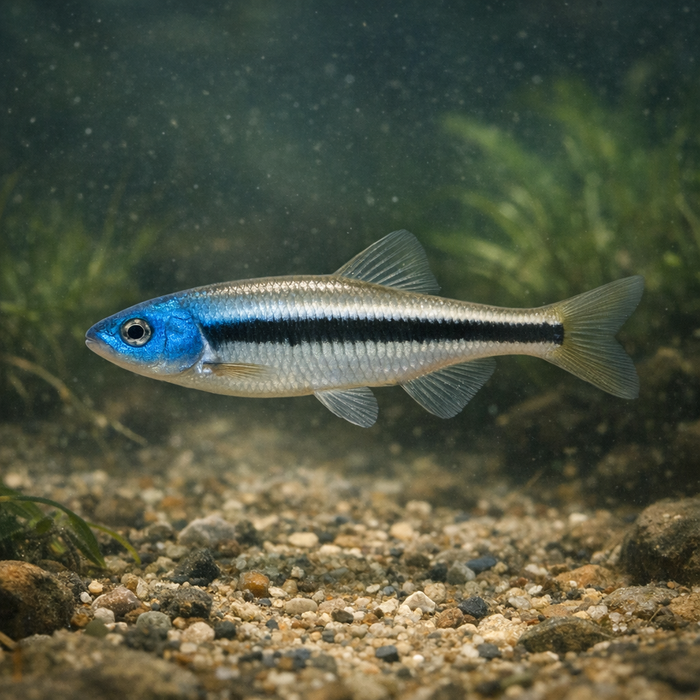
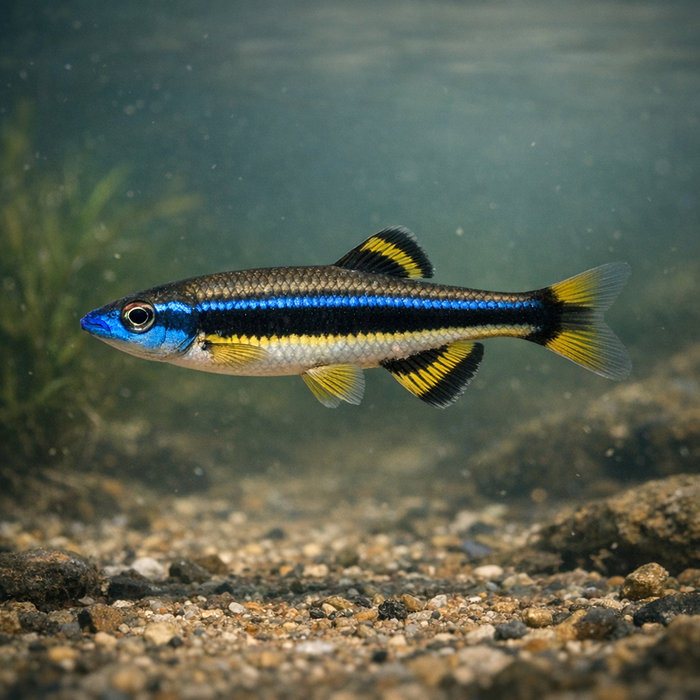
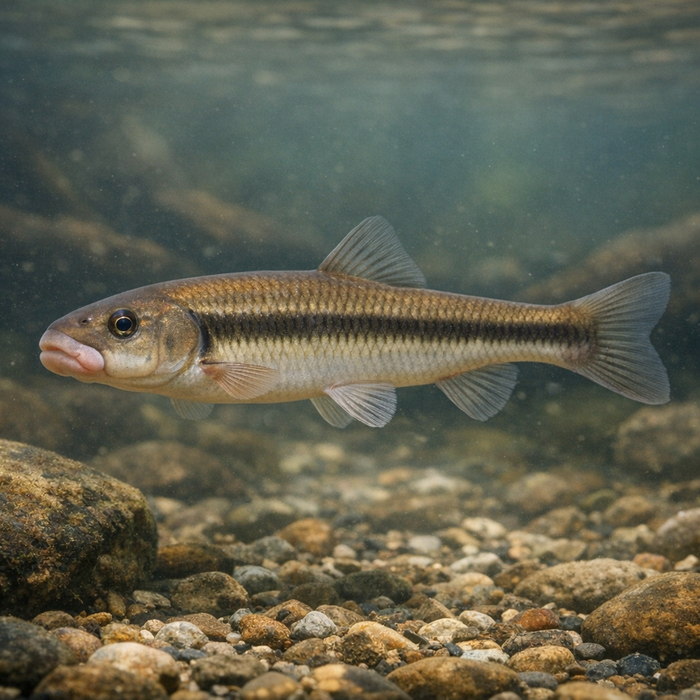
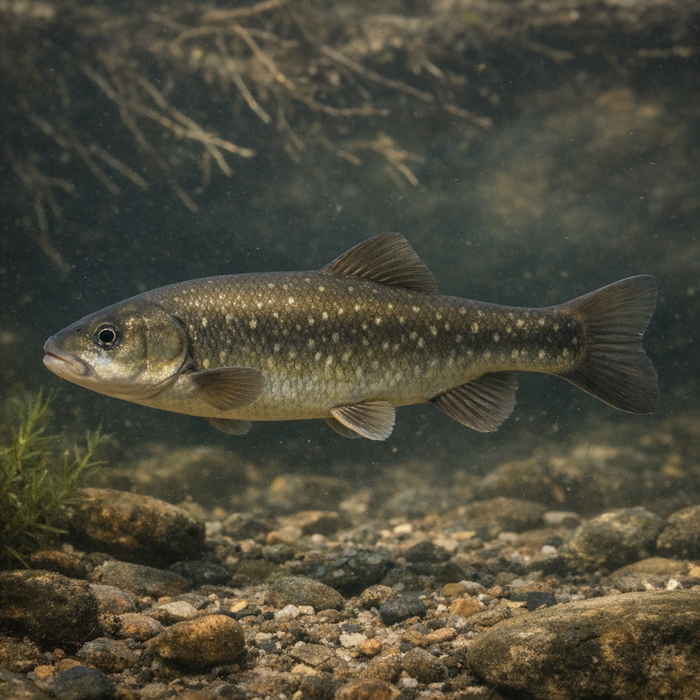
Flame Chub (Hemitremia flammea): A Bold, Memorable Hook LineIntroductionThe flame chub is the little spark plug of southeastern springs. It's small, flashy, and picky about where it lives, which explains why so many anglers have heard whispers but few have actually seen one in the net. If you're chasing microfishing milestones or just into weird, beautiful fish, this minnow is a bucket-list blip. Consider this your crash course in Flame chub facts without the textbook snooze.What Makes the Flame chub Unique?Start with the color. Breeding males earn the name by firing up a vivid red wash across the belly and fins that looks like someone installed taillights. Add in the rarity factor: the flame chub is the sole member of its genus, Hemitremia, which gives it serious fish-nerd cachet. Finally, it's a spring specialist. Populations can cling tightly to a single springhead or short run, which makes finding them feel more like a treasure hunt than a typical creek hop.Habitat & Global RangeThis is a Southeast story. The flame chub sticks to spring-fed headwaters and short spring runs tied to the Tennessee River system. Think cold, clear, steady flow with clean gravel, leafy margins, and just enough vegetation to hide a nervous school. Springs are nature's thermostat, so temperatures swing less than in standard creeks. That stability shapes everything from feeding to spawning. If you're researching Flame chub habitat, focus your scouting on true spring sources, not just generic riffle-and-pool water.Behavior & TemperamentFlame chub schools move like a single thought. One spook and the whole group slides into cover. They hover midwater in soft seams near spring boils, nip drifting invertebrates, and pivot back to cover. They're not bruisers, but they are precision fish. Tiny mouths demand tiny offerings and surgical presentations. During early spring, males color up, crowding over clean pebbles and vegetation to broadcast spawn. It's quick, bright, and easy to miss if you're not watching closely.Ecological ImportanceCall them little water-quality meters. Flame chub populations respond fast to groundwater issues because their world runs on spring flow. When aquifers get polluted or withdrawals ramp up, these fish are often among the first to blink out locally. They snap up small invertebrates and become snacks for bigger stream fish and herons, tying the springhead to the rest of the watershed. Protecting this minnow helps lock in clean, cold, reliable flows for everything downstream.Conservation & Environmental PressuresThe flame chub is Near Threatened due to habitat loss, groundwater contamination, and outright spring alteration. Pave over a recharge zone or bulldoze a spring run and you don't just lose a fishing spot; you nuke an entire micro-ecosystem. Many populations sit on private land, complicating access and protection. Some states list the species for special protection, and take regulations can be strict or outright prohibitive. Translation: look, photograph, release, and be cool. If you care about this fish, you care about springs.The FishyAF TakeThe flame chub isn't about grip-and-grin glory. It's a precision target for anglers who like solving puzzles with thread-sized tippet and size-20 something. If you want to feel like a giant slinging tweezers at a ghost, this is your fish. The payoff is a fish lit like a flare, a rare checkmark on your life list, and a deeper appreciation for the springs that keep the Southeast flowing. Bring patience, stealth, and respect. The flame chub's sparkle is fragile, and that's exactly why it's worth the hunt.