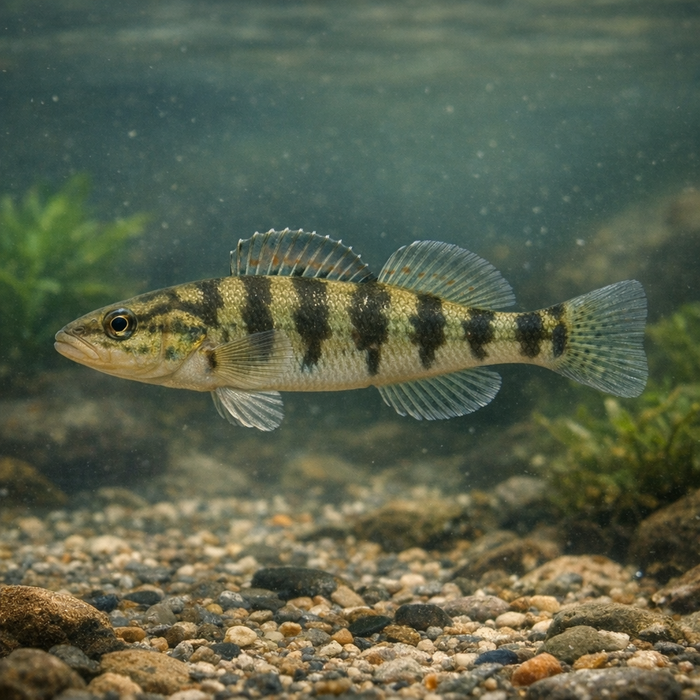
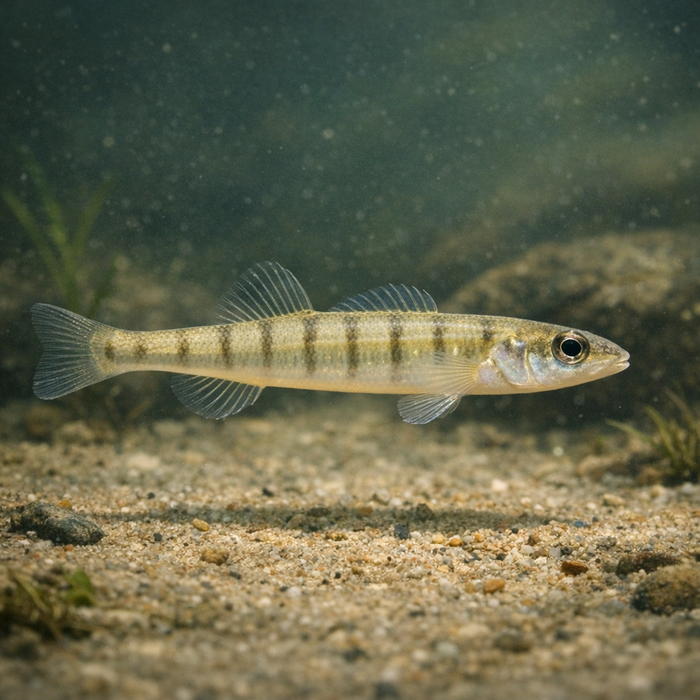
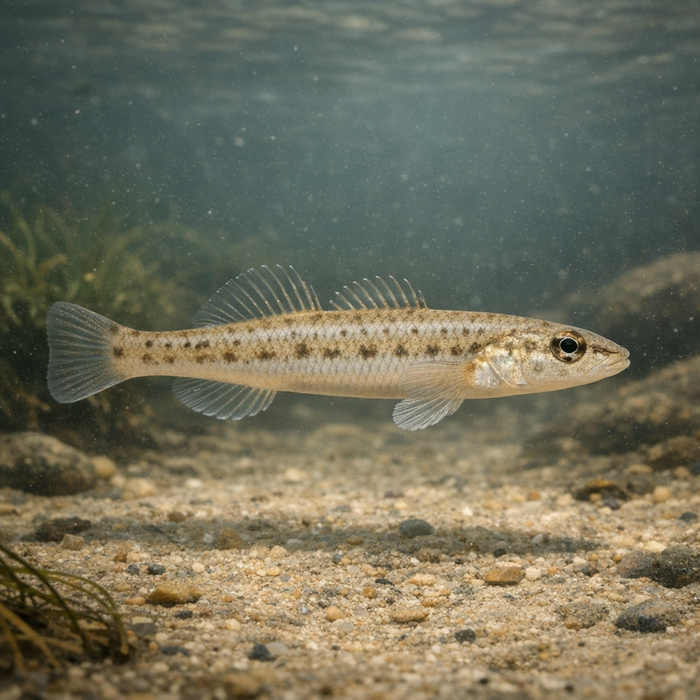
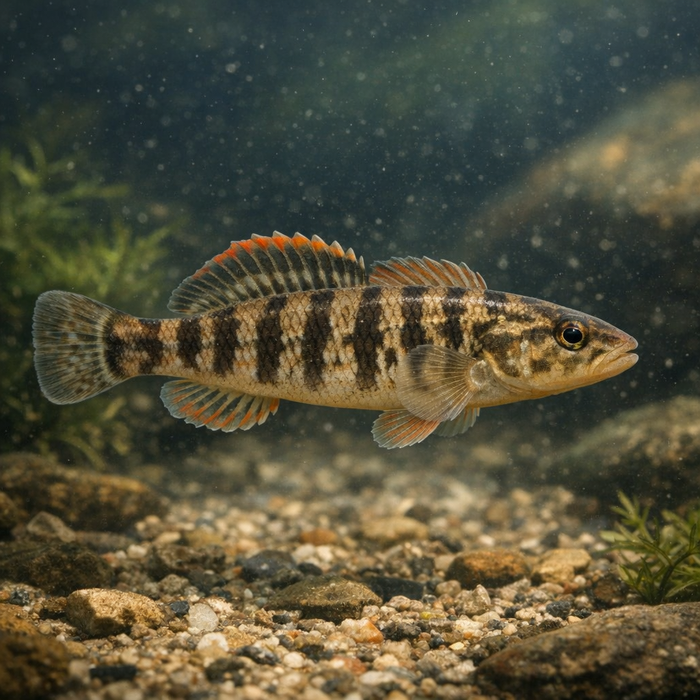
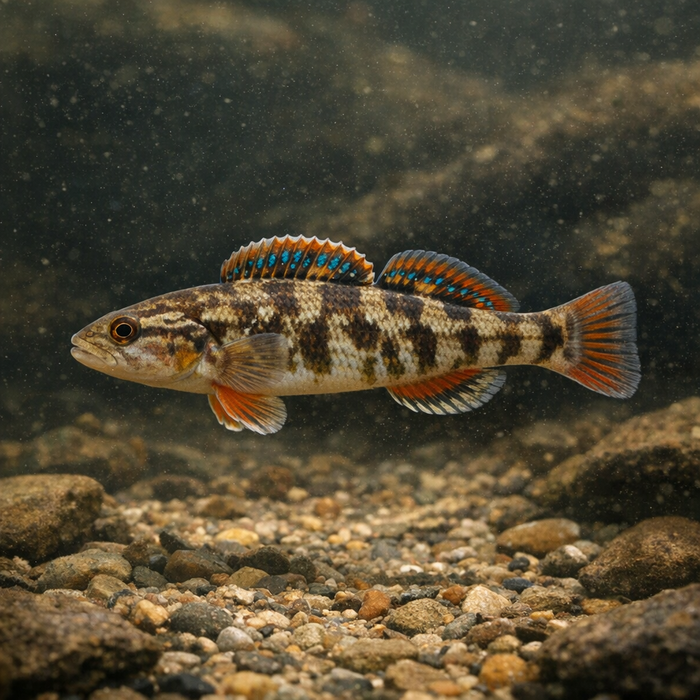
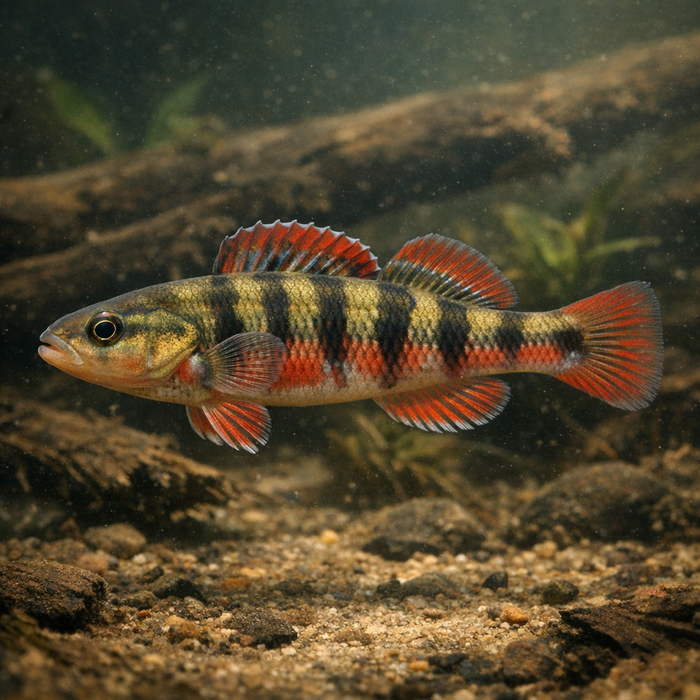
Freckled Darter (Percina lenticula): A pocket-rocket riffle ninja with freckles for daysIntroductionThe freckled darter is the kind of fish you only notice after it moves, and then it's gone again. Blink and you'll miss the twitch, the dusting of peppery spots, and the sudden sprint upstream that looks like someone hit the turbo button. For anglers who like puzzles more than pull, the freckled darter delivers. Tiny, sneaky, and tied to fast water, it's a masterclass in stealthy presentations and sharp eyesight. If you came for freight-train runs, keep walking. If you came for a technical challenge and bragging rights among micro heads, welcome home.What Makes the Freckled darter Unique?Two things jump out. First, the freckles. Percina lenticula wears a stippled mosaic of dark specks that actually gets bolder with age, turning the fish into perfect riffle camouflage. Second, the chassis. Like most darters, it carries a reduced swim bladder and a set of broad pectorals that let it plant on gravel in blast-furnace current. That combo produces the signature move: short, blazing sprints followed by statuesque freezes that make the freckled darter almost impossible to track. Up close, males flash amber highlights on the fins during the brief spring romance window, then fade right back into the pebbles.Habitat & Global RangeThis fish is a riffle loyalist. Think knee-deep runs, clean gravel and cobble, pushy current, and clear water where insects tumble downstream all day. The freckled darter hugs the bottom and uses boulders, seams, and micro-eddies as launch pads. While its overall distribution sits in the southeastern United States, it reads like a collection of specific river systems rather than a continent-wide spread. If you're doing homework on freckled darter habitat, prioritize swift, well-oxygenated reaches of medium to large streams that still have intact, natural flow and minimal silt. A little stain after a rain can help your approach, but chronic mud and embedded gravel are confidence killers.Behavior & TemperamentThe freckled darter is all business. It faces upstream, locks itself to the substrate, and waits for groceries to drift by. When the opportunity is right, it launches a two-foot sprint, inhales the target, and slams on the brakes. Surface activity is basically nonexistent; schooling is loose at best and usually breaks down to small clusters or single fish tied to specific current features. Bright daylight doesn't bother them, but it does make you easier to spot, so your stealth matters. They rarely roam far, shifting micro-position with flow and temperature more than traveling long distances. For anglers, that means precision casts and very short drifts.Ecological ImportanceAs a bottom-dwelling insect assassin, the freckled darter helps regulate aquatic invertebrate communities and converts bug biomass into fish biomass for larger predators. It's also a living water-quality meter. Silt-clogged riffles, sloppy stormwater, and degraded riparian corridors show up fast in darter abundance. Lose the gravel, lose the fish. Protect the gravel, and you get a thriving riffle food web with darters at the center of the action.Conservation & Environmental PressuresThe freckled darter's biggest enemy is not a hook. It's habitat neglect. Excessive sediment, poorly timed water withdrawals, and hard-edged development smother the clean gravel these fish need for foraging and spawning. Dams simplify flows and swap diverse riffle-run sequences for long, slow pools. Even where populations persist, fragmented habitat isolates fish and invites local wipeouts after floods or droughts. Official conservation listings and protections can vary by state, and some areas may treat it as a sensitive nongame species. The point stands: keep the riffles clean and connected if you want this fish around.The FishyAF TakeThe freckled darter is the anti-hero of sportfish. It won't spool you, it won't break your rod, and it won't make your neighbor jealous unless your neighbor is a bug-nerd with a micro box. But it will sharpen your river reading like nothing else. Nail a freckled darter and you've proven you can place a bite-sized offering on a dinner plate the size of a bottle cap, in moving water, without spooking the target. That counts. If you crave something different, add the freckled darter to your hit list. You'll come away with better eyes, calmer hands, and a whole new respect for tiny fish doing big things in fast water. Consider this your starter pack for real-deal Freckled darter facts and on-the-water confidence.