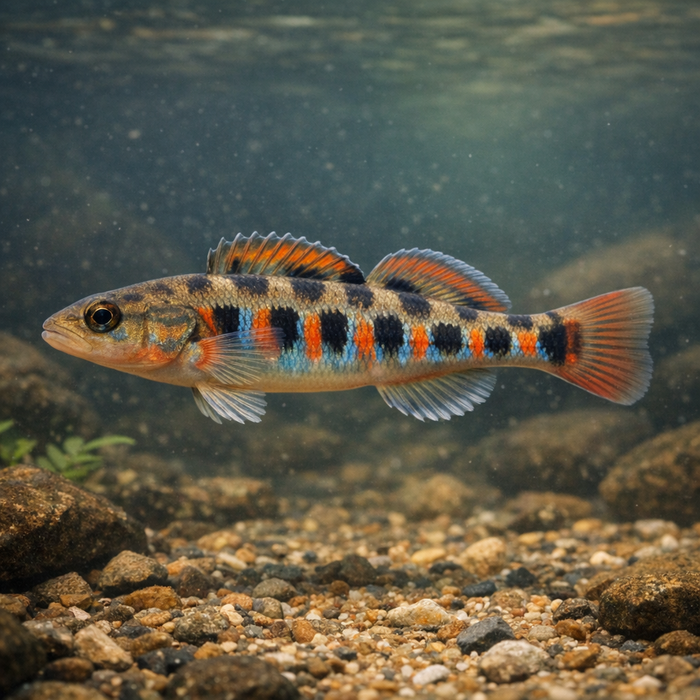
Golden Perch (Macquaria ambigua): The Yellowbelly With a Long-Distance Travel Habit
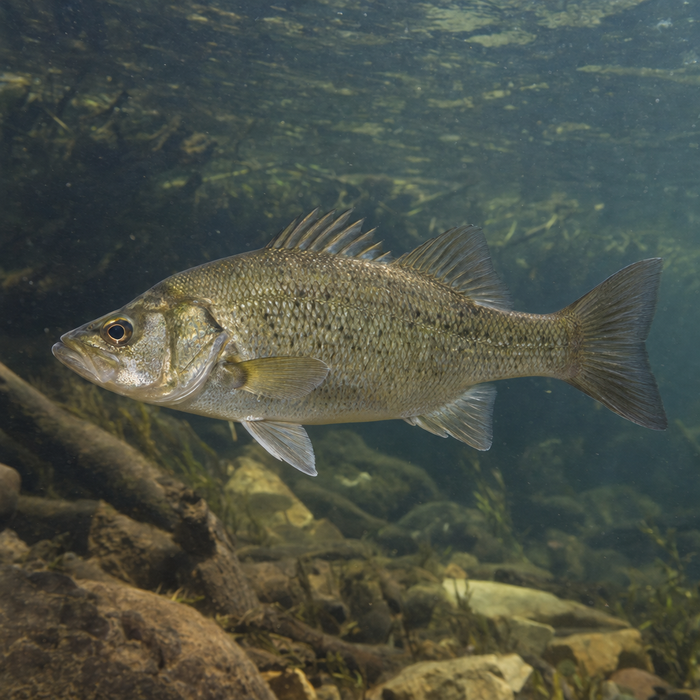
Golden Perch looks built for a comfortable life beside a submerged log: deep body, broad mouth, yellow belly, and absolutely no interest in your timetable. Known to many Australians as yellowbelly or callop, this native freshwater predator belongs to the temperate perch family, Percichthyidae. Adults commonly wear olive, bronze, or brown above their lighter underside, while youngsters are more silvery and mottled. That substantial profile makes the fish instantly appealing, but its appeal goes beyond looks. This is a prized inland sporting fish with enough personality to make a quiet freshwater session feel anything but routine.
What Makes the Golden Perch Unique?
Three Golden Perch facts deserve more attention than another photograph of a chunky reservoir fish. First, adults have been recorded travelling more than 1,000 kilometres upstream, although journeys that long are exceptional. Second, a female weighing just 2.3 kilograms can hold up to 500,000 eggs. Those eggs are semi-buoyant and drift downstream rather than being guarded in a nest. Third, validated ageing has documented a lifespan of 26 years. Put those traits together and you get something more interesting than a stocky lure target: a long-lived river traveller whose reproductive success depends on events unfolding well beyond one favourite snag.
Habitat & Global Range
Golden Perch habitat centres on Australia's warmer inland freshwaters, particularly lowland rivers, lakes, and slow-moving reaches. Its traditionally recognised natural distribution includes the Murray–Darling Basin, Lake Eyre and Bulloo catchments, and the Fitzroy catchment in Queensland. Stocking and translocation have expanded its presence beyond parts of that natural range. Different regional populations also have a complicated genetic history, so the familiar common name does not erase their biological differences.
For anglers, the useful map is smaller: rocky points, submerged timber, weed edges, and transitions into deeper water. Lake Windamere, Burrendong Dam, Lake Eppalock, Lake Eildon, and Lake Hume are established destinations in the FishyAF record. They offer different versions of the same challenge: finding productive structure rather than admiring acres of empty-looking water.
Behavior & Temperament
Golden Perch can be frustratingly inconsistent without being mysterious. Some fish feed from cover; others move across feeding areas. Shrimp, yabbies, and small fish suit a predator that can intercept prey close to structure. A fish sitting beside timber is not necessarily feeding, and a promising location does not owe you a bite. That distinction explains plenty of apparently perfect casts that achieve nothing except improving your casting.
Movement adds another complication. Tracking in the Goulburn system found relatively restricted activity during base flows, with more opportunistic movement during increased flows. A familiar holding area can therefore be useful without being permanent. Read the water you have today, not the water you remember from last month.
Ecological Importance
Golden Perch connects different parts of a river system through its life cycle. Spawning in one area can contribute fish to distant reaches, while productive nursery lakes help juveniles grow before they disperse. The Darling–Baaka and Menindee Lakes demonstrate this particularly clearly: larvae can arrive from upstream spawning events, develop in the lakes, and later contribute to populations elsewhere in the Basin. Protecting a local fishery may therefore require looking far beyond the nearest boat ramp.
As a predator, the species also occupies an important feeding position. In isolated arid-river waterholes, it can be the top predator rather than merely another member of the fish community.
Conservation & Environmental Pressures
Golden Perch is globally assessed as Least Concern, but that label is not permission to stop paying attention. River populations face pressures from migration barriers, altered flows, and changes to water temperature below dams. A widespread species can remain secure overall while particular populations lose the conditions needed to reproduce and recover. Global status and local river health answer different questions.
Low oxygen adds another serious threat. Mass fish deaths in the Darling have included this species, illustrating how rapidly poor water quality can overwhelm an inland fishery. Stocking helps support recreational opportunities, especially in impoundments, but releasing fingerlings does not repair a broken flow regime. Healthy habitat and connected waterways remain essential.
The FishyAF Take
Golden Perch deserves better than being treated as the fish you catch while waiting for something else. It rewards deliberate fishing: accurate casts, sensible lure depth, controlled retrieves, and the willingness to change an unproductive approach. You do not need an oversized tackle collection. You need to know why your offering is passing that particular piece of timber.
The best part is the contrast. A yellowbelly looks like a resident of one comfortable corner, yet its species can operate across an enormous river network. Respect that bigger story. Land it with a knotless net, support its body horizontally, and make the photograph quick. A good session ends with more than a fish in the frame; it ends without treating the fish as disposable.