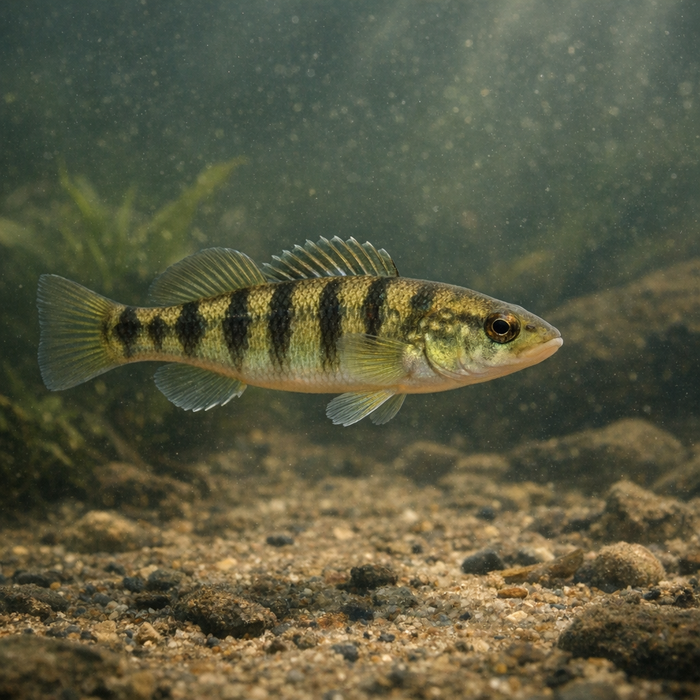
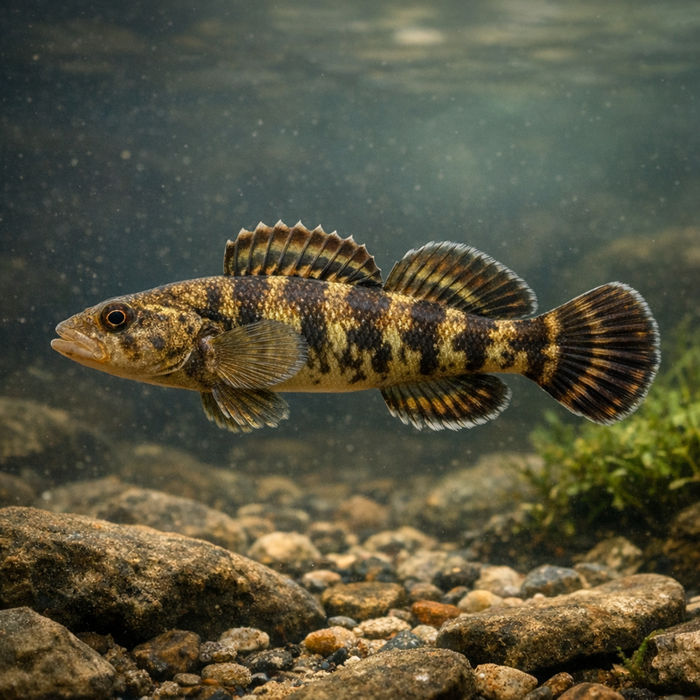
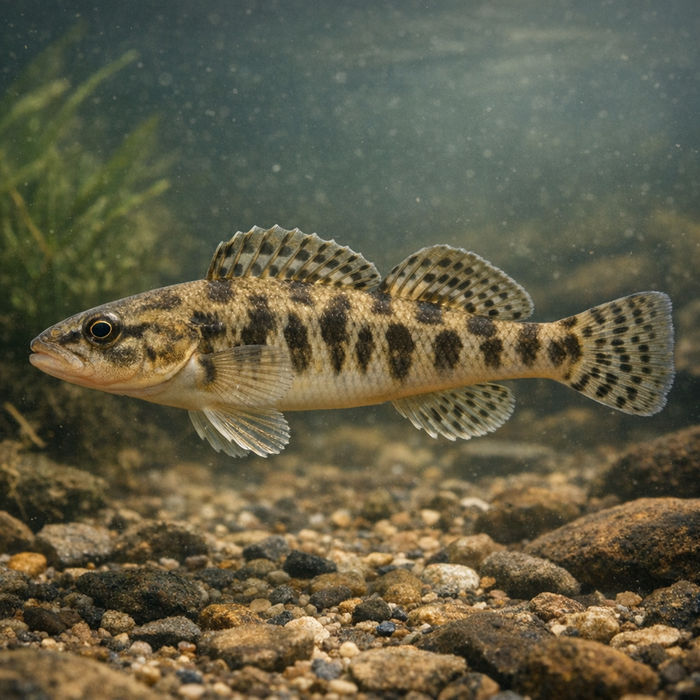
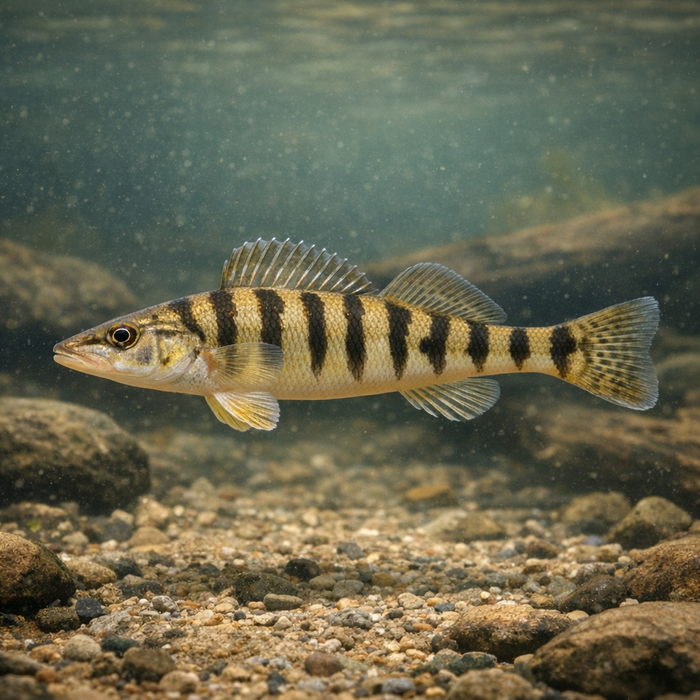
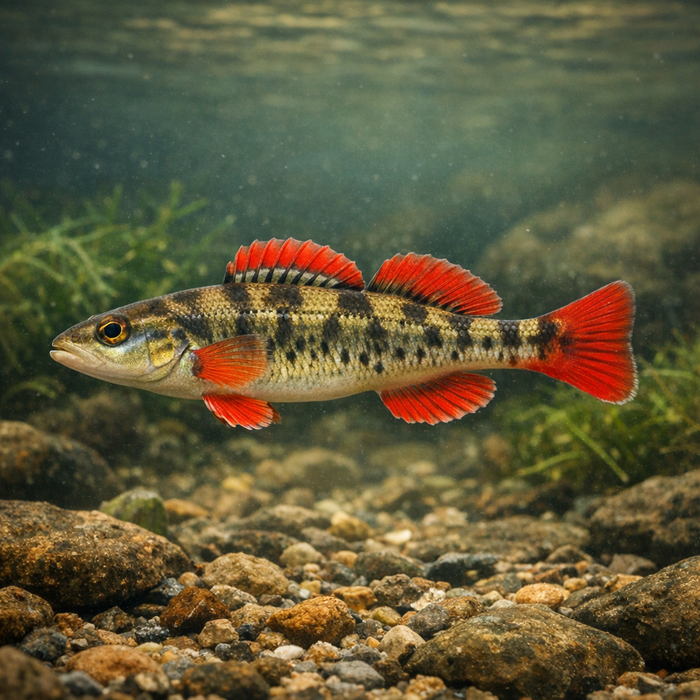
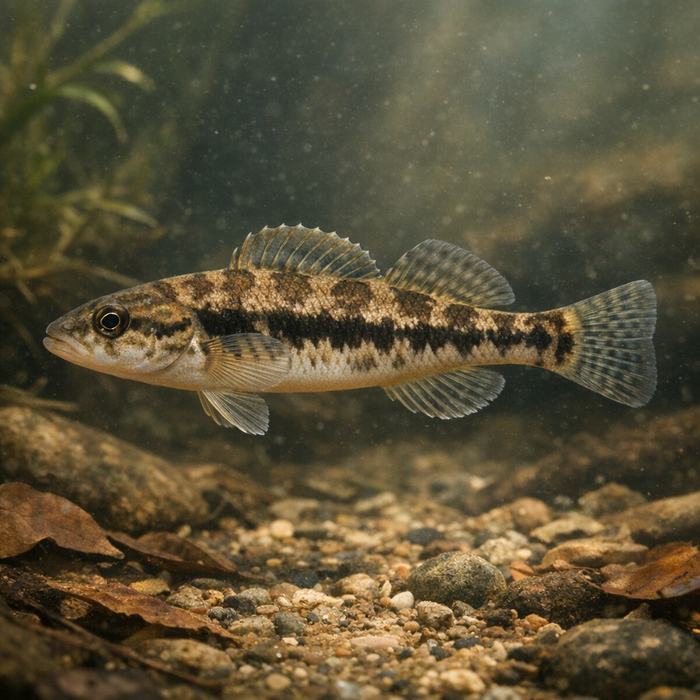
Carolina Darter (Etheostoma collis): Pocket-Rocket Bottom-Hugger With Serious AttitudeIntroductionThe Carolina darter is the kind of fish you miss until you learn how to see it. It's tiny, camouflaged, and welded to the bottom, but when it moves, it's a blur. For anglers curious about microfishing or anyone who appreciates the secret life of streams, this little predator punches well above its weight. Consider this your field-ready guide to the Carolina darter, loaded with Carolina darter facts and the kind of practical intel that actually gets you on fish.What Makes the Carolina darter Unique?Start with design: Etheostoma collis runs without a functional swim bladder, which is why it sits on the bottom like a living paperweight. That lets it pounce in short, savage bursts and then disappear back into the cobble. Breeding-season males dial up the contrasts, flashing darker bars and brighter fin margins that look shockingly bold for a fish the length of your pinky. Add in those big pectoral fins acting like kickstands and the Carolina darter is basically a tiny ambush specialist tuned for shallow current seams.Habitat & Global RangeWhen people ask about Carolina darter habitat, point them to the Atlantic Coastal Plain. Think clear to tea-stained creeks with sandy patches, leaf litter, and patches of vegetation. They prefer gentle runs and pool edges just below riffles, where drifting invertebrates tumble by. You won't locate them by bombing casts into deep holes; you find them by reading small water like a map: sand tongues, undercut grass, twig piles, and the quiet edges of current. The range is regional rather than continental, which is part of the charm. If you know, you know.Behavior & TemperamentIf trout are distance runners, the Carolina darter is a sprinter. It lives in stealth mode, lunging inches at a time to intercept prey and then locking down again. It's wary, attuned to boot clomps and clumsy shadows. Adults tend to run solo or in loose pairs, while youngsters may mass up briefly in micro-schools. Most feeding is benthic: think midge larvae, small mayflies, and other tiny invertebrates shuffling through the sand. Bright midday light can actually help you spot their outline, but any heavy step can shut the window.Ecological ImportanceThe Carolina darter is a small fish with a big job. It converts stream invertebrates into fish biomass and, in turn, feeds larger predators. Its bottom-hugging life ties it directly to substrate quality, making it a reliable indicator of local stream health. If sand patches are choked with silt or vegetation is scoured away, this species feels it fast. That sensitivity makes the Carolina darter an early-warning siren for problems in headwaters and lowland creeks.Conservation & Environmental PressuresThis species is listed as Least Concern, but don't mistake that for bulletproof. Small streams are fragile. Excess sediment, poorly timed dredging, shoreline clearing, and water withdrawals can wreck the exact micro-structure darters need. Pollution pulses that barely dent a big river can kneecap a trickle creek. Because the Carolina darter depends on clean substrate, any muddy runoff or chronic nutrient load reduces feeding lanes and egg survival. Local vigilance beats broad labels here.The FishyAF TakeThe Carolina darter is a master class in overlooked awesome. It's not a grip-and-grin trophy, but it will absolutely school you on stealth, precision, and water-reading. Want to upgrade your angling brain? Try spotting and catching one. You'll learn to fish the inches that most folks stomp past. The Carolina darter rewards patience and sharp eyes, and once you dial it in, you'll start seeing stream structure differently forever. That's the real win, right there.