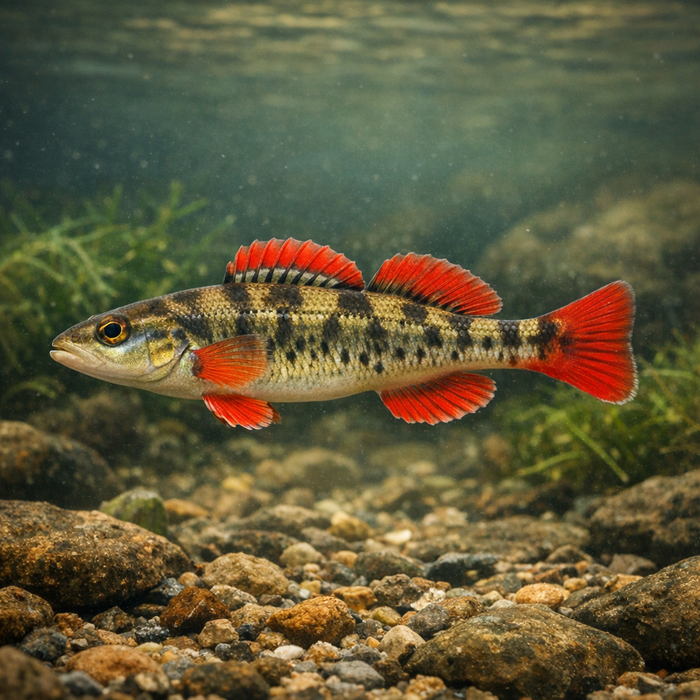
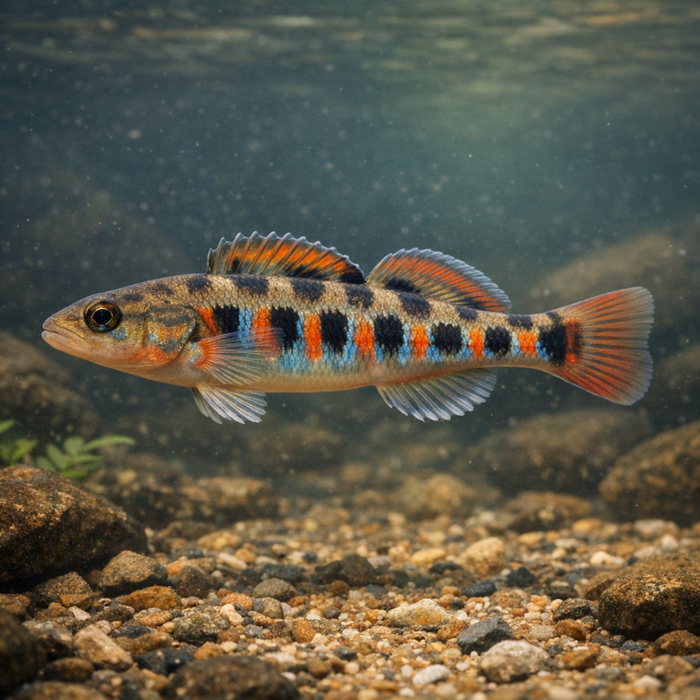
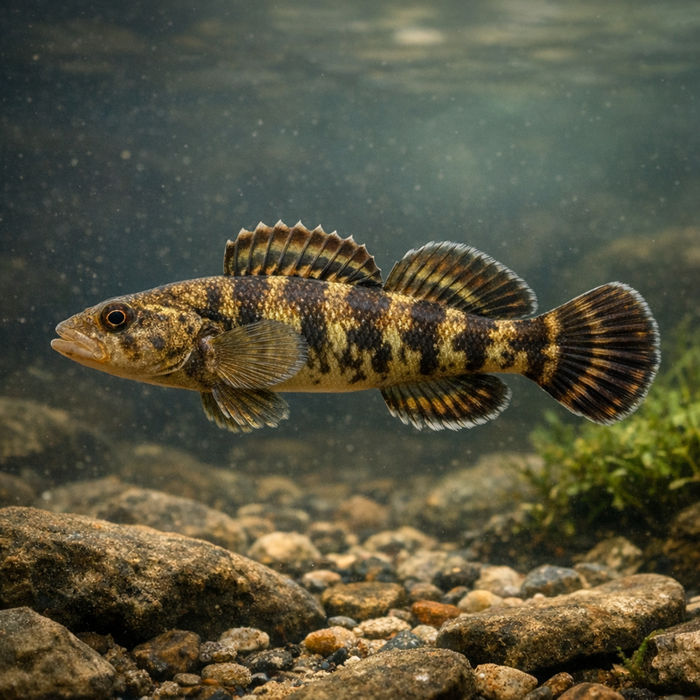
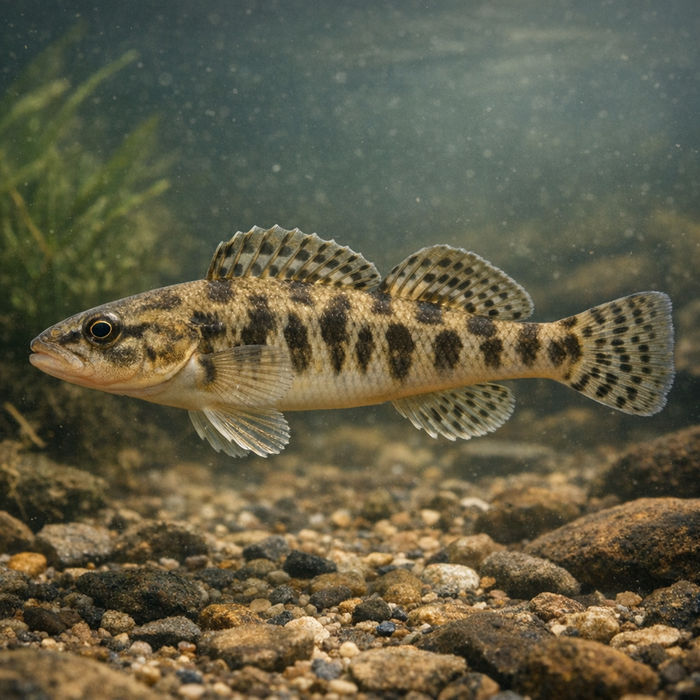
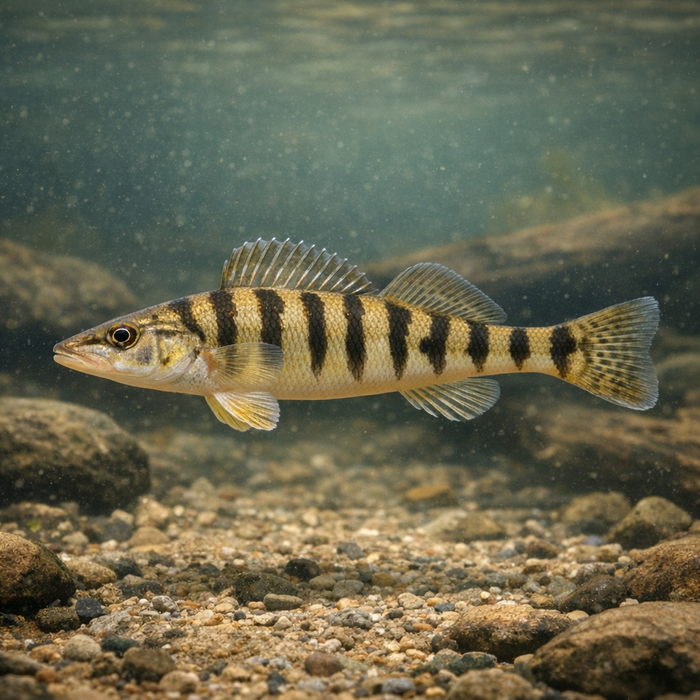
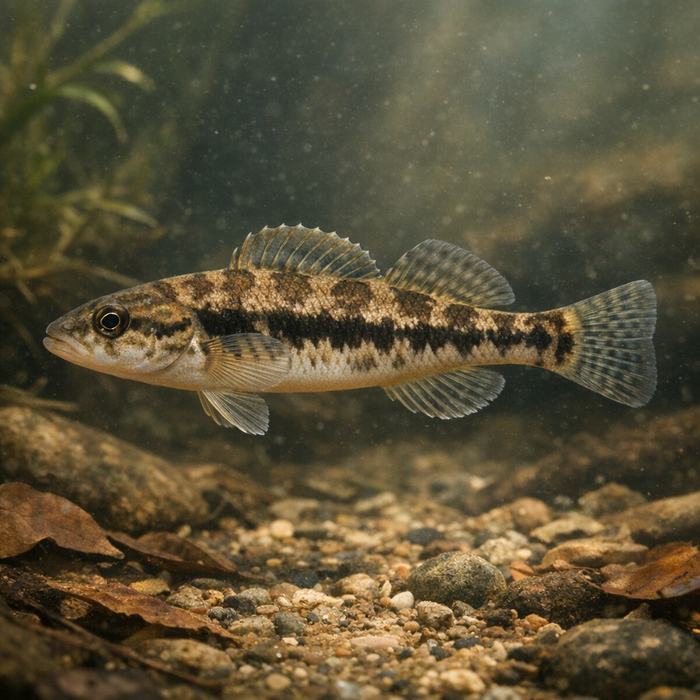
Bluntnose Darter (Etheostoma chlorosomum): Mud-Loving Micro Predator With Serious AttitudeIntroductionIf you think small fish equal small personality, the bluntnose darter is here to roast that take. This little bruiser runs the silty, slow-water corners most anglers write off as lifeless. Yet in that chocolate-milk flow, it stalks like a mini ambush artist. The bluntnose darter is small, yes, but it's purpose-built for bottom life, thriving where visibility is lousy and competition is thick. Consider this your crash course in bluntnose darter facts-with just enough attitude to match the fish.What Makes the Bluntnose darter Unique?First, that snout. The species wears a rounded, overhanging nose that looks like someone shaved a bulldozer blade and glued it on. It's not just aesthetic; it helps the fish root and sit tight on soft substrate. Second, the bluntnose darter bucks the clear-water stereotype of many darters. It's unusually tolerant of turbidity, holding steady in murky creeks where silty bottoms swallow your boots. And third, breeding colors don't disappoint. Males can glow with olive-green tones and dark bars, a subtle flex in dingy water that screams species identity more than pageantry.Habitat & Global RangeIf you're curious about bluntnose darter habitat, think lowland waters. Picture backwaters, oxbows, slough edges, and slow runs with sand, silt, and scattered debris. Instead of racing riffles and cobble, it prefers the lazy side of life-leaf mats, woody snags, and undercut banks. Its core range spreads through the Mississippi River basin and Gulf Coastal Plain, weaving through the Midwest, Texas, and the Southeast. It's a local specialist with a wide address book: present across many states, selective about microhabitats. Where most anglers ignore the soup, the bluntnose darter quietly thrives.Behavior & TemperamentDarters don't float; they perch. The bluntnose darter is all about the bottom. With a reduced swim bladder and enlarged pectorals, it plants like a paperweight and darts only when opportunity knocks. It tracks microinvertebrates-midge larvae, small aquatic bugs-with short bursts and quick mouthwork. Aggression is measured in millimeters, not battles. In current, it hugs the eddies. In pools, it camps behind cover. It's wary enough to flinch at clumsy steps but not so spooky it vanishes like vapor. Present the offering on the bottom, nice and subtle, and you'll see how mechanical their feed can be.Ecological ImportanceThe bluntnose darter is tiny, but it stitches a lot of threads together. It converts streambed invertebrates into fish protein that larger predators can use. Its presence hints at a working, if turbid, system-one that supports benthic life despite questionable water clarity. As a benthic specialist, it helps keep invertebrate communities from running amok and, in turn, feeds everything from sunfish to crayfish-hunting bass that vacuum the margins.Conservation & Environmental PressuresGood news first: the bluntnose darter remains broadly secure across much of its range. That said, it's picky in a quiet way. Channelization, excessive siltation without structure, and degraded backwaters can erase its hidey-holes. When banks are scraped clean and woody debris is removed, the fish loses both cover and foraging lanes. Low dissolved oxygen events in stagnant pockets can be trouble, too. Because it doesn't headline sportfish lists, declines can go unnoticed. Keeping floodplain habitats intact and letting natural junk-logs, leaves, roots-stay put is a win for this species and a lot of others.The FishyAF TakeThe bluntnose darter is a microfishing litmus test: if you enjoy catching one, you're in deep. It asks for careful sighting, a soft touch, and an appreciation for the world below knee level. It's also the perfect reminder that "dirty" water isn't dead water. For anglers willing to kneel in mud and fish like a heron, the bluntnose darter delivers tiny jolts of satisfaction you won't get from a bobber 40 feet out. If you're making a life list, start looking where everyone else shrugs and walks past. That's bluntnose darter country, and it rewards the observant every time.