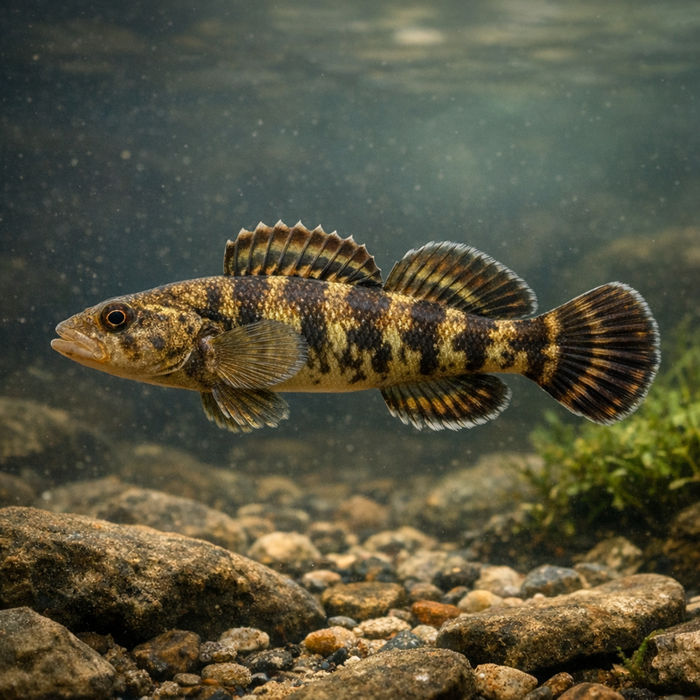
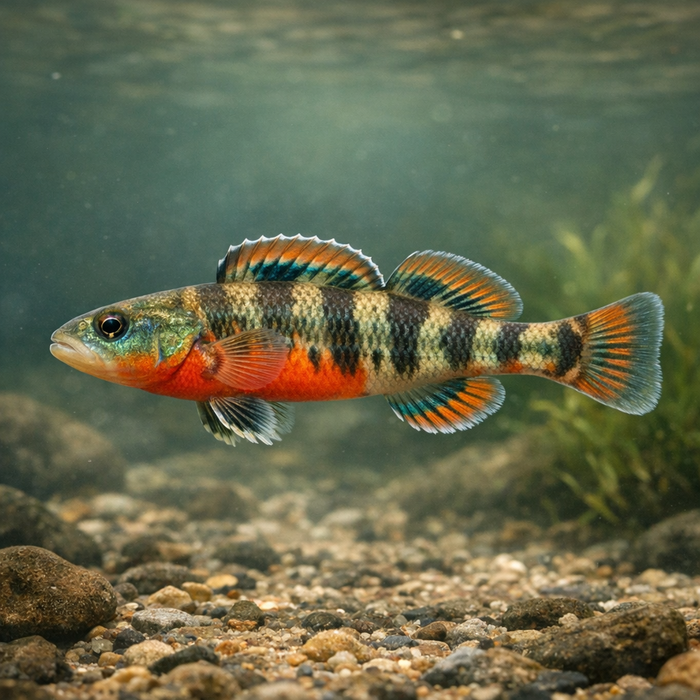
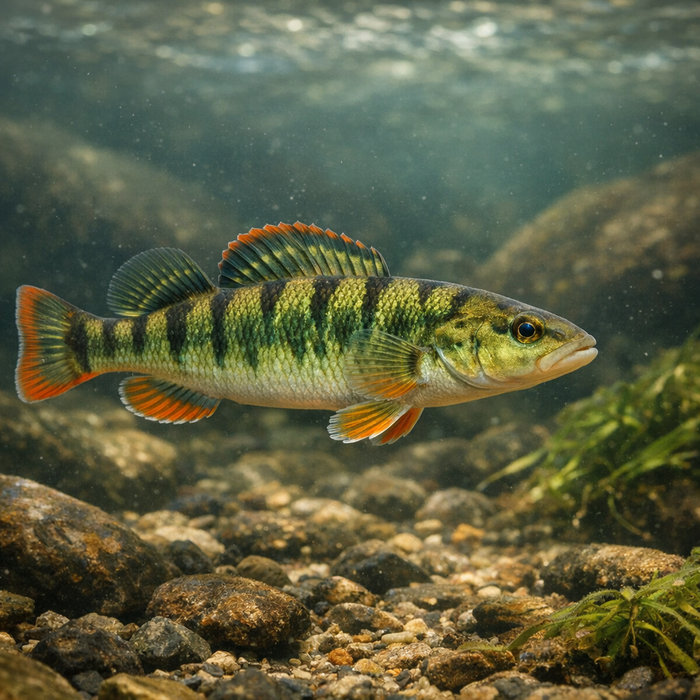
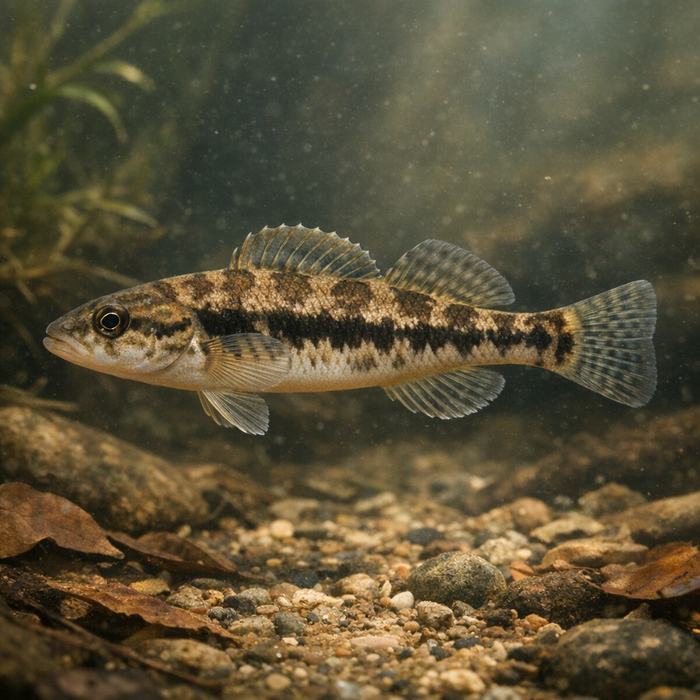
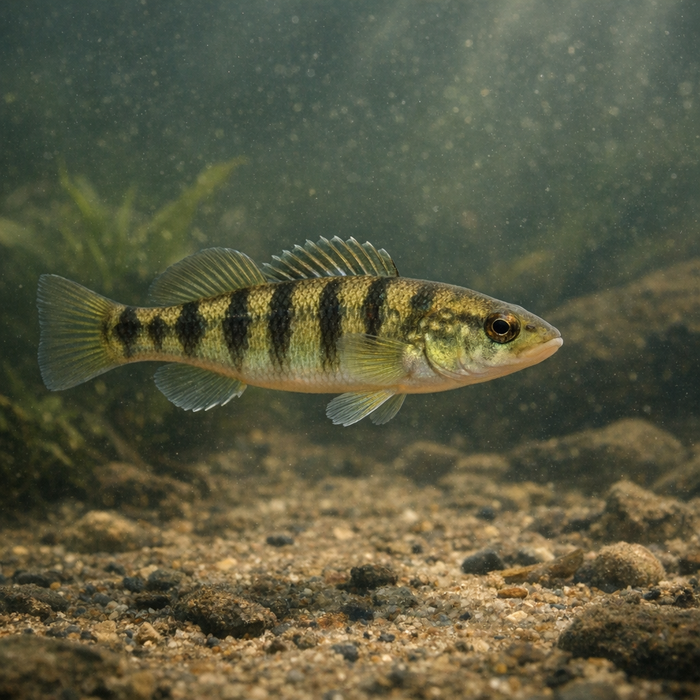
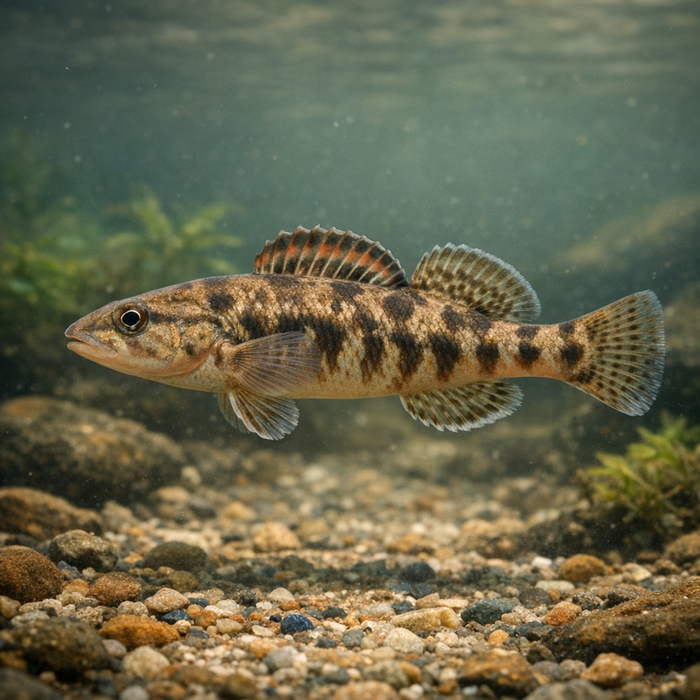
Blackside Darter (percina maculata): A Bold, Memorable Hook LineIntroductionThe blackside darter is the streambed sniper most anglers wade past without ever noticing. Small? Yep. Forgettable? Not once you've actually watched one hunt. This little Percidae unit locks onto riffles like Velcro, then flicks forward in wicked-fast bursts to inhale drifting bugs. For anyone curious about microfishing, the blackside darter is a perfect mix of accessible, teachable, and sneakily addictive. Consider this your crash course in blackside darter facts, behavior, and how it fits into the river's pecking order.What Makes the Blackside darter Unique?Start with the paint job. A row of dark blotches fuses into a bold black racing stripe along the flank, especially loud on breeding males. It's not just pretty; that high-contrast profile somehow looks both camo and billboard at once. Second, the posture: instead of cruising midwater like its walleye cousins, the blackside darter parks on gravel using broad pectorals, then teleports a few inches at a time to ambush prey. Finally, it's a tough little operator. Among darters, this species handles a touch of turbidity and light silt better than many, which means you'll see it in more places than the ultra-finicky specialists.Habitat & Global RangeIf you're hunting for true blackside darter habitat, think small to medium streams across the Midwest, Great Lakes drainages, and down into portions of the Ohio and Mississippi basins. Picture knee-deep runs with pea gravel and sand, riffles that chatter rather than roar, and pockets behind cobble or woody debris. They'll edge into quiet margins of larger rivers and the inlets of natural lakes or reservoirs, but the money water is always current with texture. The fish park near the bottom where food deliverables slide by: mayfly nymphs, caddis larvae, tiny crustaceans, and the occasional luckless midge. If a spot has clean substrate, decent oxygen, and a bit of cover, it's a blackside darter address.Behavior & TemperamentCall the blackside darter a patient sprinter. It holds in the seam, body low, then surges a few body lengths to snap dinner and drops right back to the deck. They're not big schoolers, but you'll often find a loose cluster living off the same buffet line. Activity bumps with daylight and stable flows, and during spring warming they slip onto shallower riffle heads to spawn. They don't fight much on the line, of course, but they're choosy about presentations: too big, too fast, or too far off bottom and they'll just blink at you.Ecological ImportanceDarters are the health inspectors of the stream. Because the blackside darter wants oxygenated, structured water with clean stone, its presence is a wink that conditions aren't trashed. In return, it processes a lot of insect biomass, translating bug productivity into higher-level calories for bass, trout, and everything else that snacks on small fish. Pull the darters and you often discover the system already lost something crucial: flow, habitat, or water quality. Blackside darter habitat overlaps with popular gamefish nursery water, which means protecting one helps the other.Conservation & Environmental PressuresOverall the blackside darter sits pretty as a species, but local populations nose-dive when streams silt up or get straightened into lifeless ditches. Chronic sediment, low summer flows, and sloppy construction runoff paste gravel into cement. Add a lowhead dam and you've just kneecapped oxygen, current, and movement. The good news: this darter tolerates modest turbidity, rebounds well when habitat improves, and responds quickly to better stormwater management. In short, fix the riffles and it comes home.The FishyAF TakeThe blackside darter is proof that fishing skill scales down beautifully. You don't need a boat, a guide, or a secret password. You need sharp eyes, tiny hooks, a bit of patience, and the willingness to kneel on gravel and watch. It's a fantastic on-ramp for kids, fly-curious anglers, or anyone who wants to learn current, drift, and stealth without swinging for trophies. Chase this species and you'll understand how rivers actually work. Learn the seams on a blackside darter and suddenly your smallmouth game gets smarter, your trout drifts get cleaner, and your whole fishing brain upgrades. That's the real blackside darter facts kicker: humble fish, big lessons.