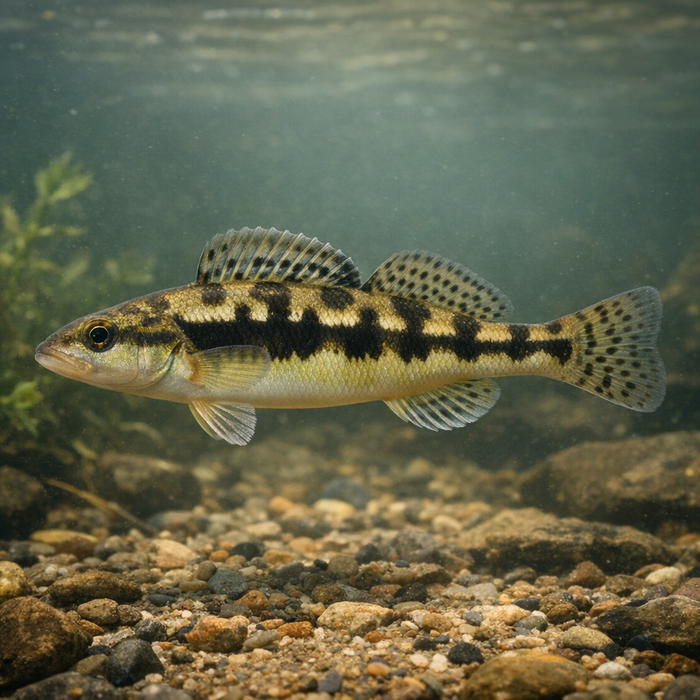
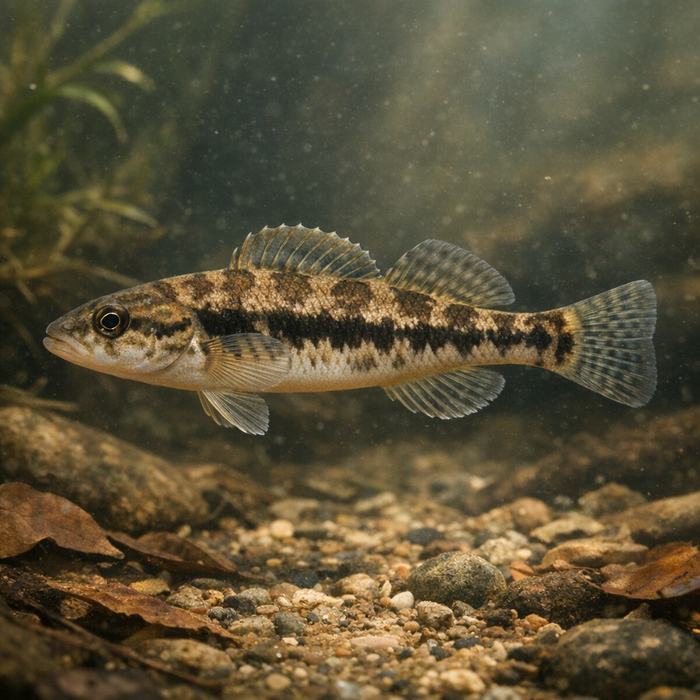
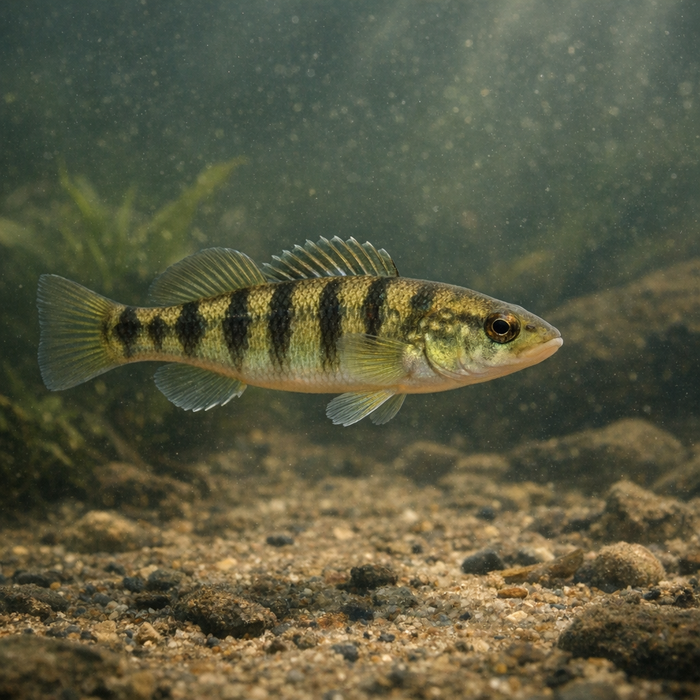
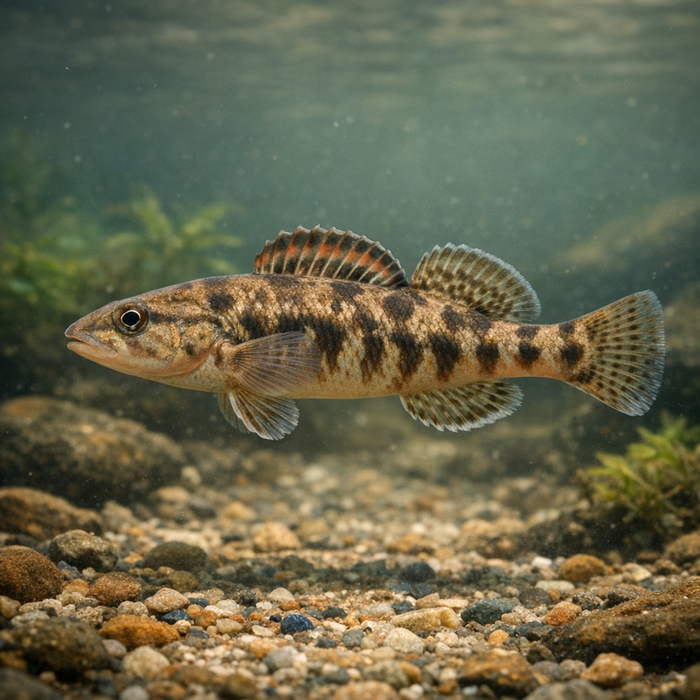
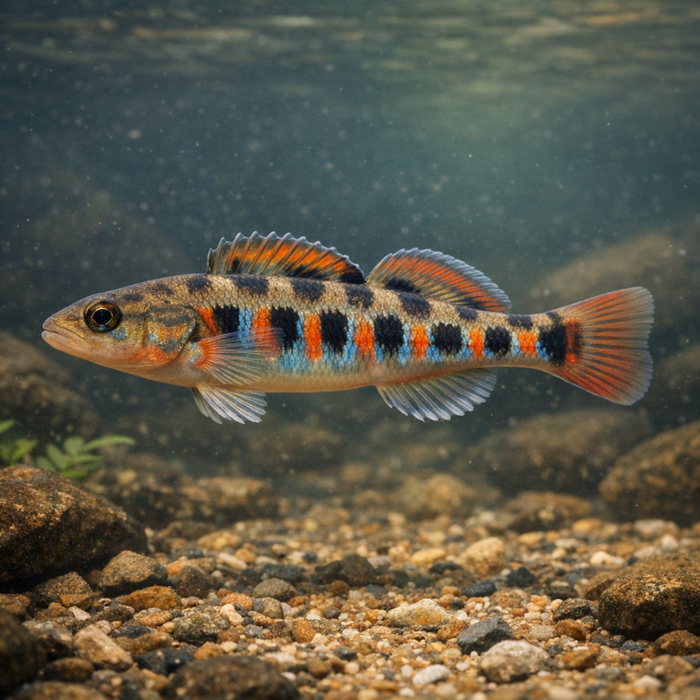
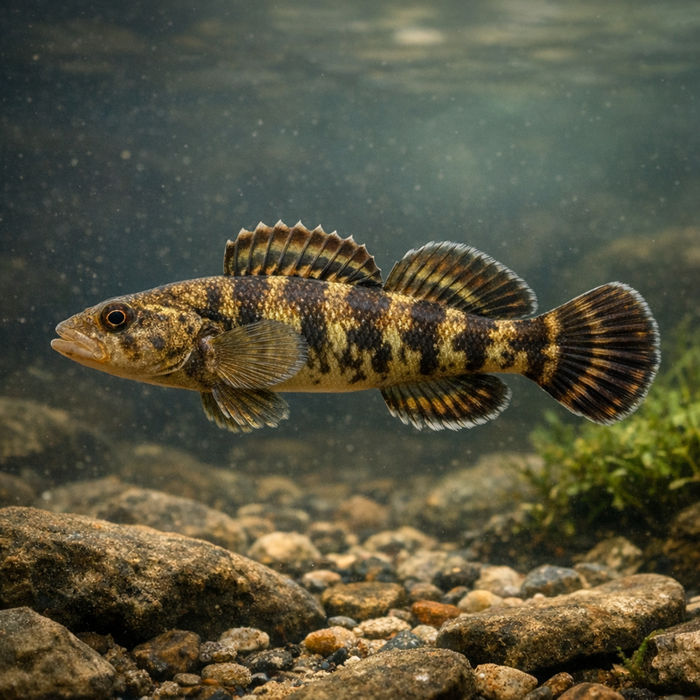
Orangethroat Darter (Etheostoma spectabile): A pocket rocket with neon war paint and riffle swaggerIntroductionIf you think creek fish are boring, the Orangethroat darter is here to roast that take. This little Percidae showpiece lives in ankle-deep current, flashes colors like a coral reef, and eats with the confidence of a street brawler. You don't troll for it. You don't wade out chest-deep for it. You crouch, sight-fish, and drop a speck of bait. Suddenly, you're hooked on microfishing.What Makes the Orangethroat darter Unique?Two things earn the Orangethroat darter instant street cred: the look and the lifestyle. In breeding season, males light up with a blazing orange throat and electric blue bars, turning Midwestern riffles into a runway. Then there's the design. Like many darters, it largely ditches the swim bladder, trading buoyancy for bottom grip. Huge pectorals act like parachutes and parking brakes, letting it hold station in lively current. Add a tenacious, darting strike and you have the perfect tiny predator for light-tackle nerds. If you're here for Orangethroat darter facts, start with those.Habitat & Global RangeWhen you search for Orangethroat darter habitat, think clear, cool creeks and small to mid-sized rivers with gravel and cobble. The species thrives across much of the central United States, especially the Ozarks, Midwest, and parts of the Great Lakes and southern Plains. It prefers riffles, runs, and gentle pocket water where current washes food right to the bottom. Depth is laughably shallow by gamefish standards: six inches to a couple feet is the sweet spot. You'll also see localized color variations by watershed, a quirk that turns exploring new drainages into a color-collecting game.Behavior & TemperamentThe Orangethroat darter lives true to its name, rock-hopping then blasting forward in quick bursts. It's a sight-feeder, using sharp vision in clear water. Come spring, males carve up micro-territories the size of doormats and posture like they're six pounds, not six grams. Courtship is a show of quivers and pivots, with eggs tucked into tiny gravel spaces in batches. They don't cruise far, so finding them is about reading current seams, knee-high shoals, and the thin, fast water most anglers step over.Ecological ImportanceThis darter isn't just pretty; it's a living water-quality receipt. Healthy Orangethroat darter populations strongly hint at clean gravel, honest flow, and oxygen-rich runs. They're mid-level predators of aquatic insects, translating hatches into calories for larger fish and wildlife. Their sensitivity to silt and pollution makes them excellent bioindicators. If the riffles are smothered, they fade first. If a stream runs clear and lively, they explode in numbers and color.Conservation & Environmental PressuresEtheostoma spectabile is generally listed as Least Concern, but don't confuse that with invincible. The species leans hard on clean gravel and steady current. Siltation from poor land use, low flows from drought or over-withdrawal, and nutrient spikes all kneecap breeding sites. Channelization wipes out the patchwork of riffle-run habitat they require. While they're common in many watersheds, local declines can happen fast when a stream loses its pulse. Keep an eye on invasive macros, too; shifts in invertebrate communities can starve small predators in subtle ways.The FishyAF TakeThe Orangethroat darter is the perfect cure for big-fish tunnel vision. It's bright, bold, and fiercely local. This is the fish that teaches you to slow down, read ankle-deep water like a map, and appreciate the micro-drama under your boots. Call it a gateway species into creek nerdery. Bring a tiny hook, a pinch of worm, and patience. The hit won't rip drag, but it'll light up your inner naturalist. For anglers who chase experiences, not just inches, the Orangethroat darter is ridiculously hard to beat.