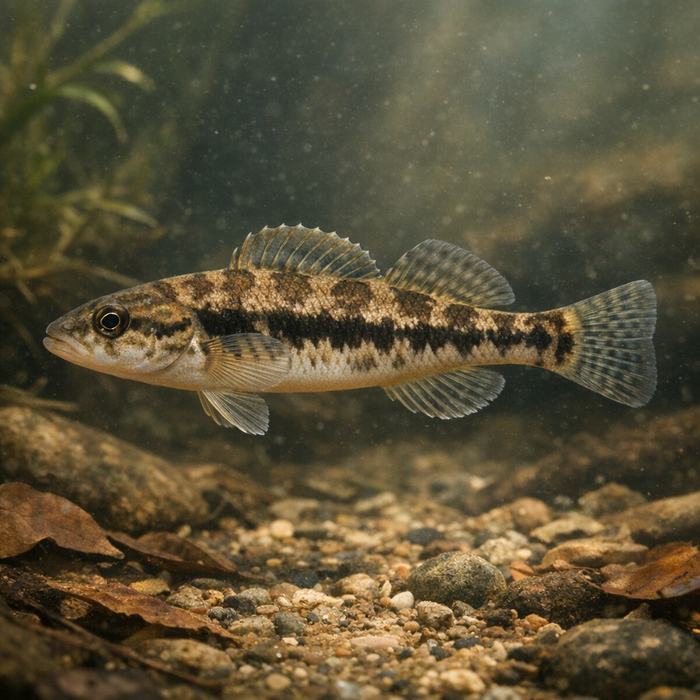
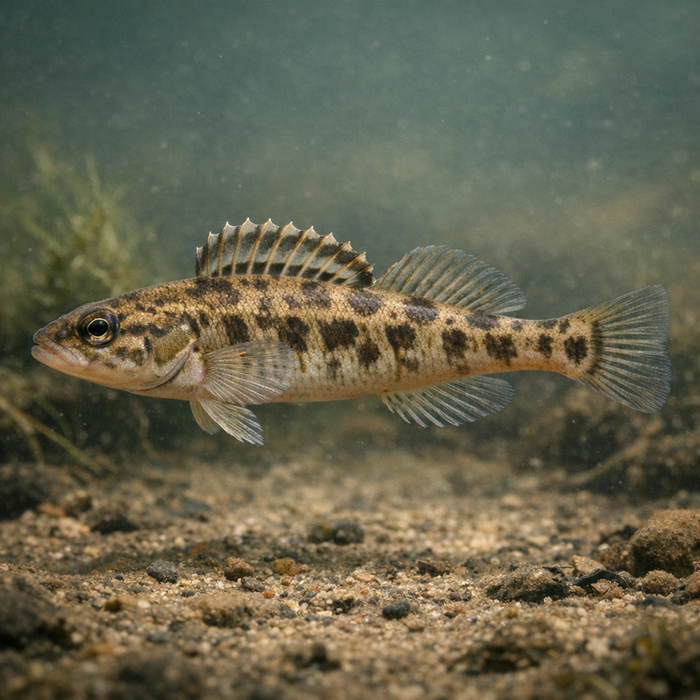
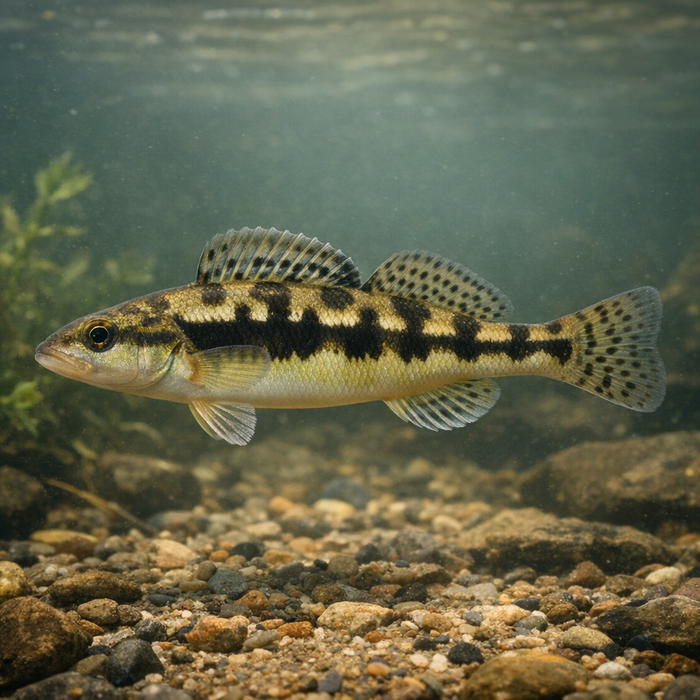
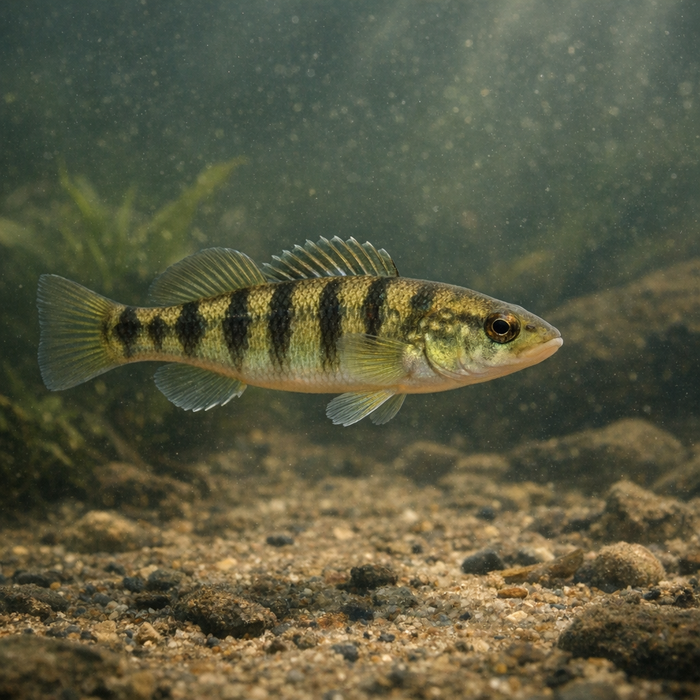
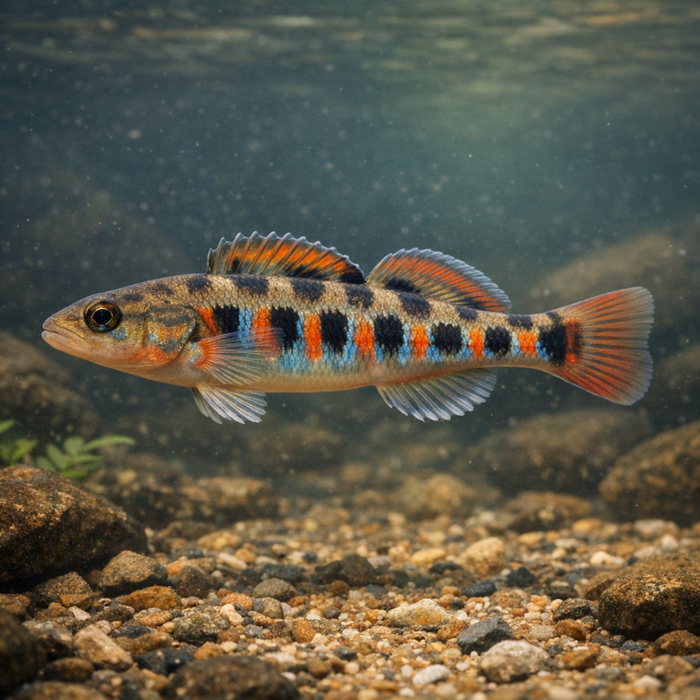
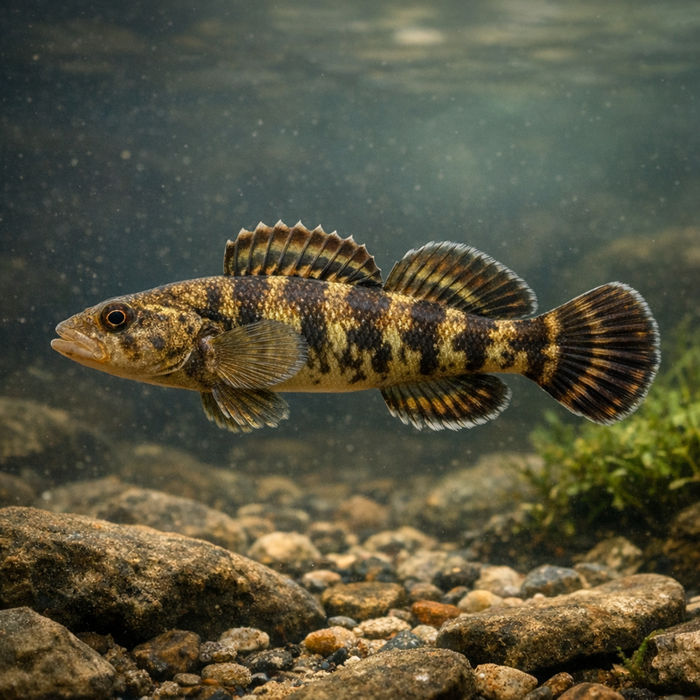
Brown Darter (Etheostoma edwini): A Bold, Memorable Hook LineIntroductionThe brown darter is the micro that thinks it's a heavyweight. Blink and it's gone, pivoting between sand grains and leaf shadows like a caffeinated chess piece. If you like tiny targets, tea-colored water, and sneaky presentations, the brown darter turns creek crouching into a sport. This guide dishes out real brown darter facts and the tactical bits that actually help you connect.What Makes the Brown darter Unique?Start with the body plan: no functional swim bladder, so this fish lives glued to the bottom where current is boss and buoyancy is optional. Add splayed pectorals that act like landing gear, and you've got a fish built to perch, dart, and disappear. The patterning does serious work too. The brown darter wears mottled bars that match tannin-stained sand and leaf litter so well you'll swear it vanished. Finally, males guard adhesive eggs stuck to the undersides of leaves and small debris, a hardcore habit for a fish that barely breaks three inches. It's scrappy, secretive, and oddly charismatic.Habitat & Global Range"Brown darter habitat" isn't sprawling reservoirs. Think small Southeastern creeks, especially blackwater systems with sandy runs, low to moderate current, and a carpet of leaf litter. Springs and spring-fed tributaries with gin-clear visibility are common haunts, but don't overlook tea-colored swamps with patches of clean sand and gentle flow. They typically hold tight to the bottom in knee-deep or shallower riffles and gentle glides, sliding between woody debris, cypress knees, and undercut banks. This is a fish that rewards local scouting more than road-tripping: short drives, careful walking, and polarized eyewear beat boat gas every time.Behavior & TemperamentBrown darters don't cruise midwater. They set up ambush posts on the substrate, pivoting in little bursts to intercept drifting morsels. They won't fight like a trout when hooked, but they're masters at spitting tiny hooks if tension goes slack. Approach matters. Sudden shadows or clumsy steps send them pinballing under debris. They open short feeding windows when current carries the right micro-drift, then clamp down and go statue-still. Watch long enough and you'll catch an alpha male flaring at rivals like it's king of a sand patch smaller than your palm.Ecological ImportanceTiny fish, big job. Brown darters funnel energy from bottom-dwelling invertebrates up the food web, feeding larger stream fishes and wading birds. Because they're so tied to clean sandy substrates and intact leaf packs, their presence quietly signals stream health. If a creek keeps its mix of flow, shade, and woody cover, odds are good the darters are doing their quirky little dance on the bottom.Conservation & Environmental PressuresEven a tough little specialist has limits. Siltation from poorly managed runoff smothers the clean sand they rely on. Channelization flattens current seams into lifeless trickles. Excess pumping or spring alteration can turn a crisp run into a bathtub. They're not famous, so they won't anchor a billboard campaign, but protecting small creeks, headwaters, and spring flows keeps brown darter turf in working order. Local regulations may also restrict harvest or collecting in certain springs and preserves, so know the rules before you dip a net or a hook.The FishyAF TakeThe brown darter is proof that fishing isn't just about big. It's about dialed-in. You're reading micro-current, placing specks of bait with surgeon precision, and celebrating a fish that could ride a nickel. This species turns you into a better angler because there's no brute force option. If you can coax a brown darter in clear, skinny water without spooking it, you've leveled up. Call it finesse training with scales, and yeah, it's addictive.