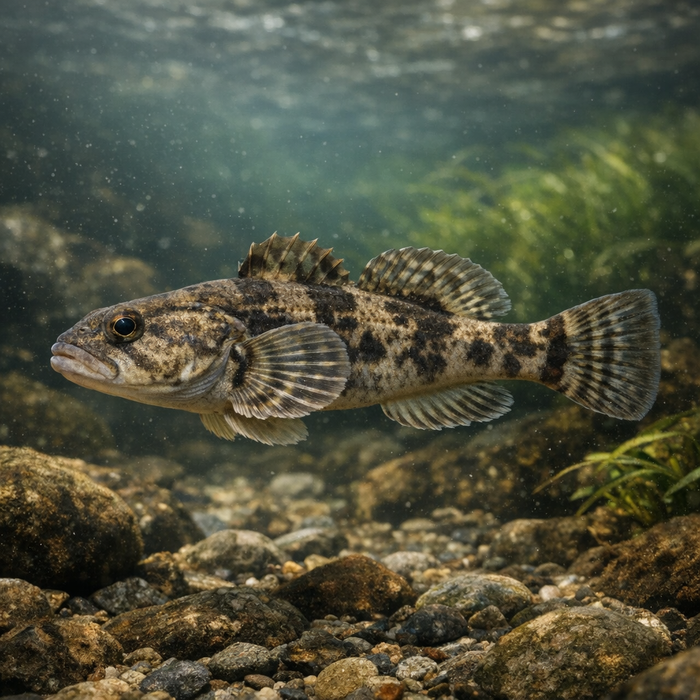
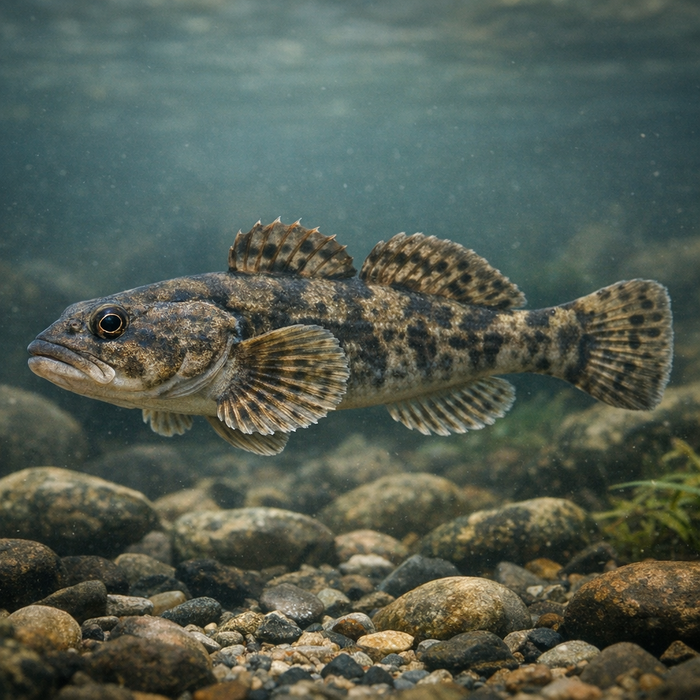
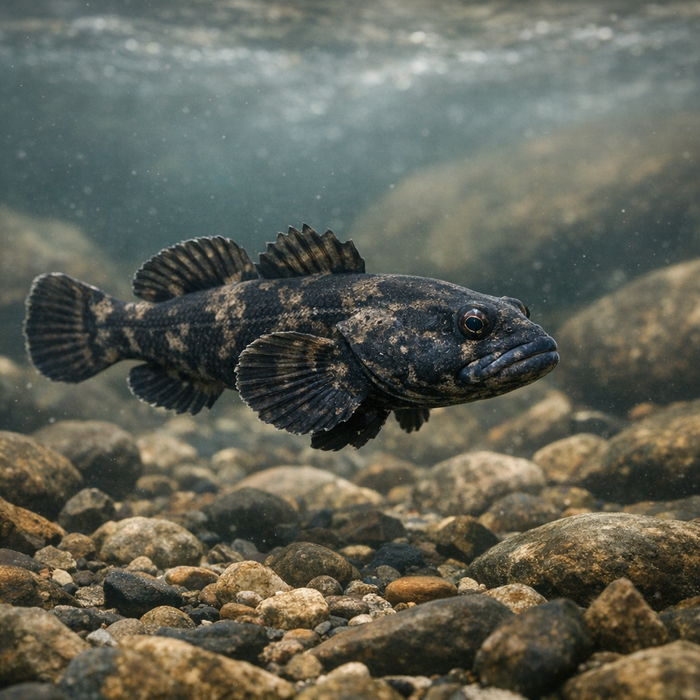
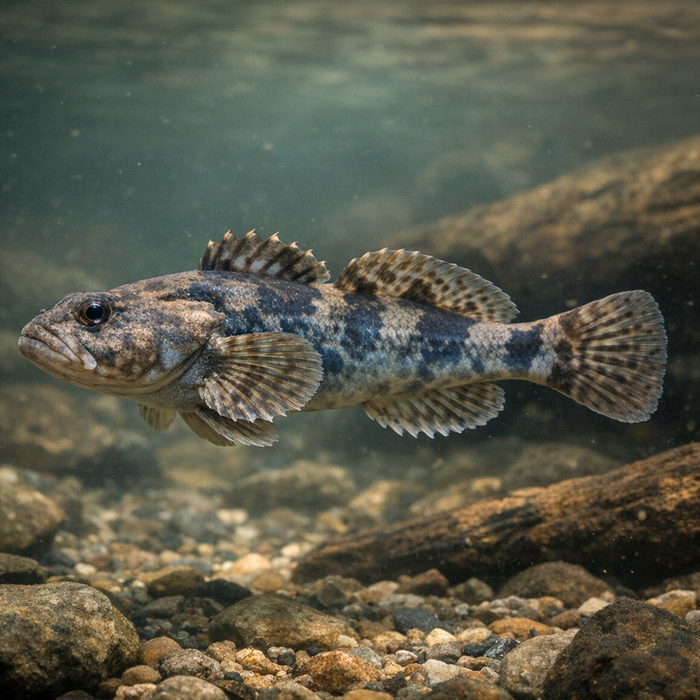
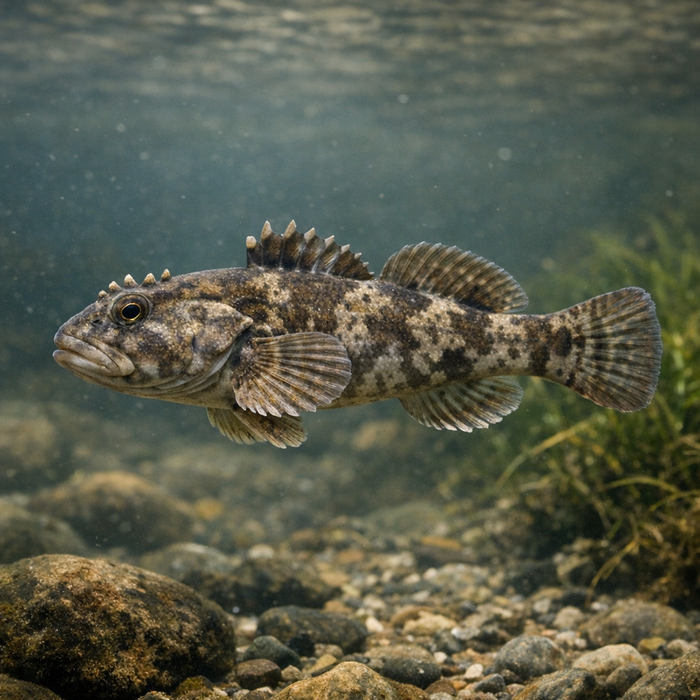
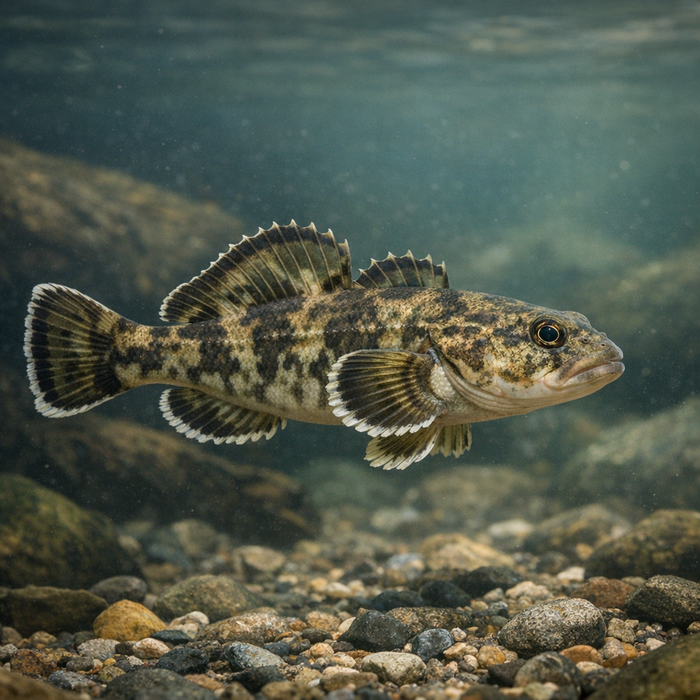
Grotto Sculpin (Cottus specus): A cave-dwelling sculpin that rewrote the rulebook on living in the dark.IntroductionThe grotto sculpin is the fish equivalent of a ghost story that turned out to be real. Small, pale, and built for blackness, it haunts underground streams in the Perry County, Missouri karst. For most anglers, this species lives more in legend than on a line. Still, grotto sculpin facts fascinate anyone who cares about weird, specialized fish pushing the limits of where life thrives.What Makes the Grotto sculpin Unique?Start with the hardware. The grotto sculpin wears reduced pigment and smaller eyes, classic cave-fish kit. It isn't blind, but it leans hard on its lateral line to sense ripples and micro-currents. Then there's the real magic trick: a bottom-hugging, wide-finned body plan that locks onto polished limestone in skinny, slippery flow. Add in parental care, with males guarding eggs glued under rock lips in darkness, and you've got a fish that plays by its own rules.Habitat & Global RangeIf you came here looking for broad range maps, sorry. The grotto sculpin habitat is painfully tight: subterranean streams and spring outlets tied to a single Missouri karst plain. Stable, cool water drips through a maze of cracks, pools, and trickles. Floods can blow through like a freight train, sometimes pushing fish to spring mouths, but otherwise this species lives in a dim, steady world few people see.Behavior & TemperamentForget cruising schools and splashy strikes. Grotto sculpins hug the bottom, move in short darts, and set up shop in micro-current lanes. In pitch black, wariness is different: not visual spookiness but vibration awareness. They're opportunistic micro-predators, snapping at invertebrates that drift past the rock they're glued to. Think deliberate more than aggressive, with feeding not tied to sunlight but to stable flow and food trickle.Ecological ImportanceIn caves, every calorie counts. This fish turns drifting invertebrates into sculpin biomass, then feeds the network through egg guarding, waste, and the occasional mishap that nourishes scavengers. Its presence flags high-quality groundwater. When the grotto sculpin is doing OK, the aquifer and its hidden life support system are usually doing OK too.Conservation & Environmental PressuresThe elephant in the cave: vulnerability. When your whole world fits in a small karst plain, one spill, one silt blast, or one persistent contaminant can wreck everything. Flood pulses add risk by flushing fish around. That's why it's Endangered, with protections aimed at keeping the water clean, the silt down, and human boots thoughtful. Most interactions happen through permitted scientific monitoring, not fishing trips.The FishyAF TakeAs a target, the grotto sculpin is a hard no. As a story, it slaps. Tiny, specialized, and tough enough to cling to slick limestone in a corridor of night, it's a reminder that fish don't need sunlight to be cool. If you're into microfish, let this one stay mythic. Learn the system, support clean groundwater, and brag about seeing one with a biologist instead of trying to stick a hook in a creature that practically defines the word rare. That's the kind of flex we can all live with.