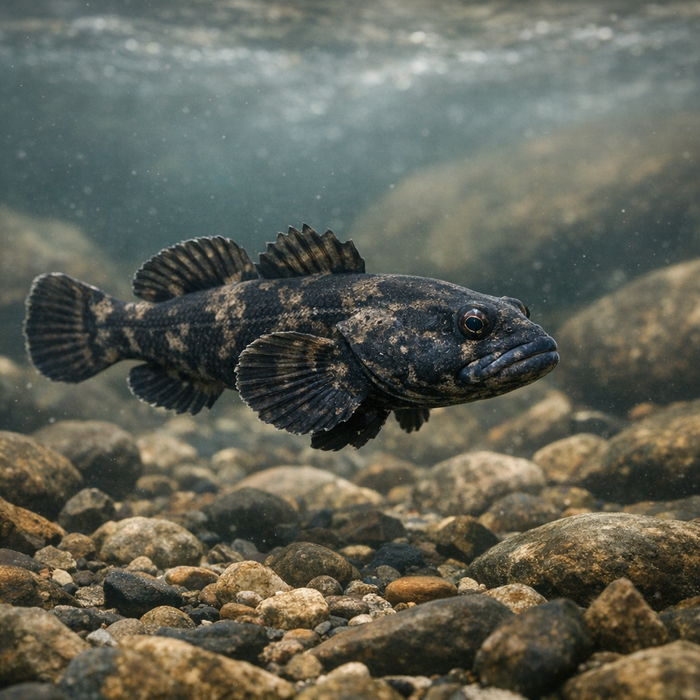
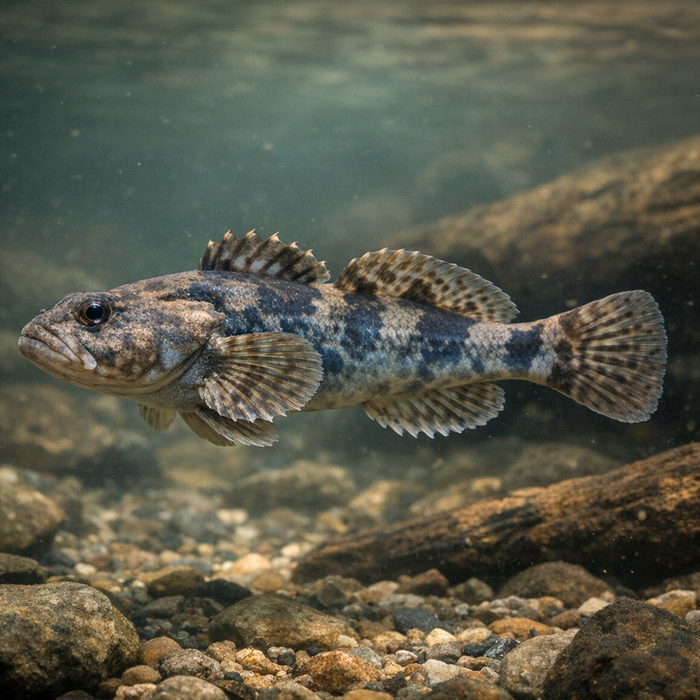
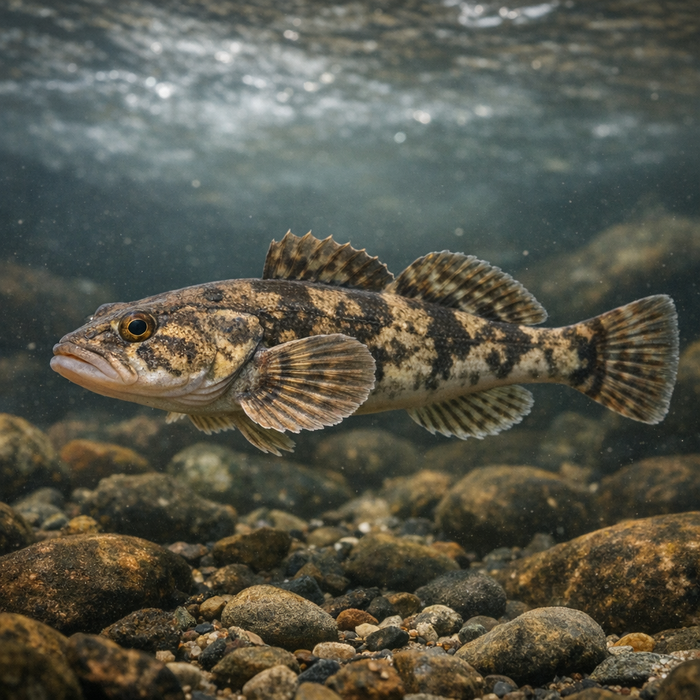
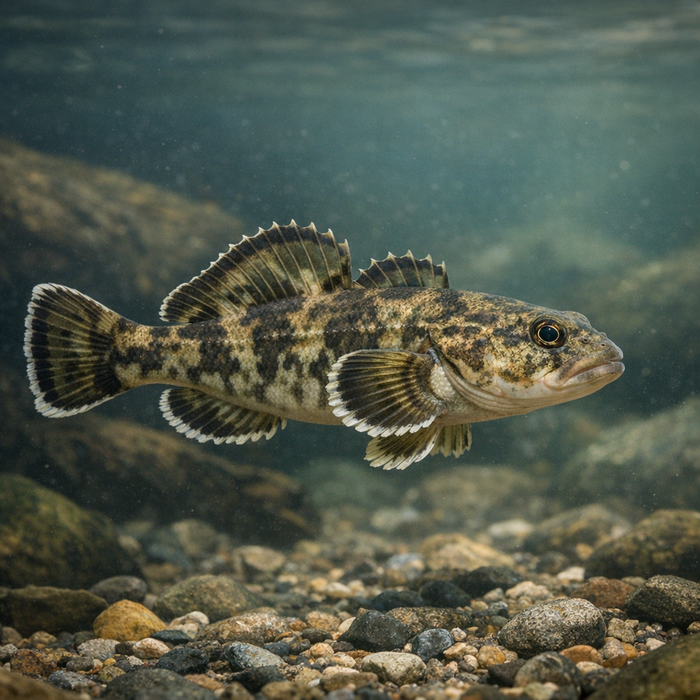
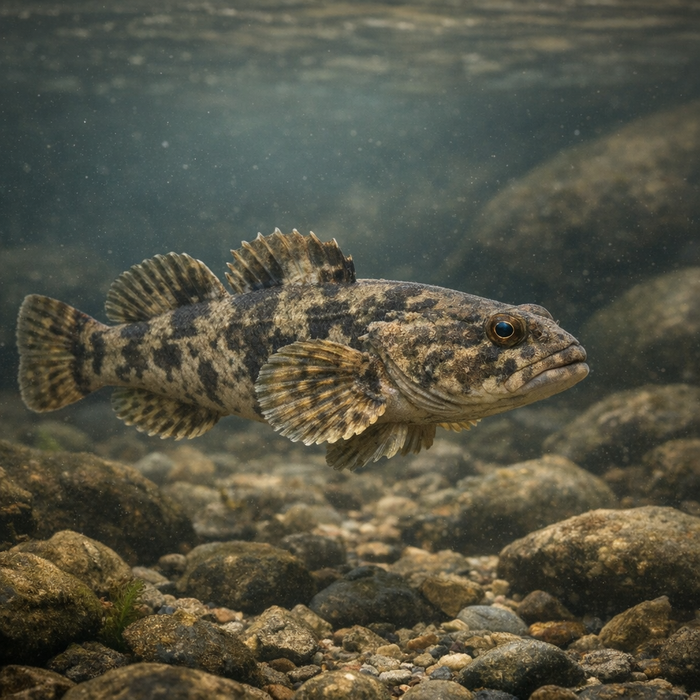
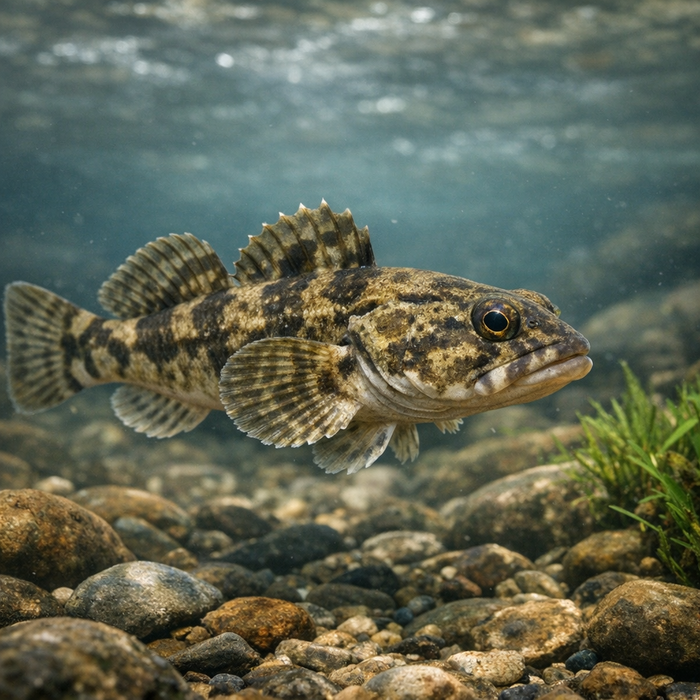
Knobfin Sculpin (Cottus immaculatus): A Bold, Memorable Hook LineIntroductionSmall fish, big attitude. The knobfin sculpin is the gritty little gremlin camped on the bottom of cool Ozark streams. It's not a poster child for grip-and-grins, but it owns its niche. If you're into microfishing, native fish sleuthing, or just understanding what makes riffles tick, the knobfin sculpin brings plenty of story for a few inches of fish. These are the rocks-and-riffles assassins that keep the food web honest.What Makes the Knobfin sculpin Unique?First, the look. Compared with its banded cousins, the knobfin sculpin is cleaner, more "immaculate" along the flanks, a nod hidden in its species name. Add the oversized pectoral paddles and broad, spiny head and you get a fish designed like a paperweight with teeth. It skips the swim bladder and parks hard to gravel, holding in drafty current without bouncing downstream. And while most anglers never notice it, the knobfin sculpin has become a quiet star among micro anglers, who prize its attitude and the precise presentations it demands.Habitat & Global RangeLet's talk Knobfin sculpin habitat. Picture clear, cool streams with gravel to cobble bottoms, braided riffles, and honest flow. That's home base. This species works the Ozark Highlands playbook: riffle crests, run edges, slabby rocks, and bank pockets where current is strong but not chaotic. Depth is modest by design, often shin-deep water you'd splash through without thinking. Because its world is tight and rocky, the fish avoids silty pools and sluggish backwaters. Range is regional, not global, with strongholds in Ozark drainages where spring-fed clarity and limestone influence keep things cool and buffered.Behavior & TemperamentThe knobfin sculpin is a bottom-hugger and ambush feeder. It leans into structure like it's part of the rock, inching and pouncing rather than cruising. Short darts beat marathon swims. When breeding season arrives, males shift gears: nest sites under flat stones get guarded zealously, eggs get fanned, and intruders get a face full of spines and attitude. These fish aren't schooling types; think solitary or loosely spaced neighbors along prime seams. Feeding windows revolve around current and cover more than daylight alone. Low light helps, but water push and clean substrate matter most.Ecological ImportanceAs a small predator built for riffles, the knobfin sculpin trims invertebrate populations, recycles energy up the chain, and becomes a snack for larger stream fish and birds. It's a pressure valve in the riffle food factory. Healthy sculpin counts often mirror healthy substrate and oxygen levels. If you wade a run that's cobbled, cool, and loaded with macroinvertebrates, chances are the knobfin sculpin is there doing quality control beneath your boots.Conservation & Environmental PressuresThe biggest threats are the usual stream villains: sediment that smothers gravel, low flows from water withdrawals, warm pulses during drought, and habitat simplification from channelization. Because the knobfin sculpin is a riffle specialist, it doesn't roll with sudden silt or warm, stagnant conditions. Localized disturbances can slice habitat into tiny islands. Fortunately, spring-fed Ozark streams still produce plenty of clean water, and targeted conservation projects that stabilize banks, protect riparian shade, and control runoff pay immediate dividends for this species.The FishyAF TakeIf you fish for stories, the knobfin sculpin delivers. It's a tiny, unapologetic brawler that turns ankle-deep riffles into serious water. Want fast "Knobfin sculpin facts"? Here you go: it's small, stubborn, and absolutely dialed to current. Master a micro rig and crack the code on rock edges, and you'll see the stream differently forever. This isn't a hero shot fish; it's a masterclass in reading water, handling small lives with respect, and celebrating the overlooked. Knobfin sculpin habitat is where the river breathes. Meet it there, on its terms, and you'll start noticing a lot more than just the next pool upstream.