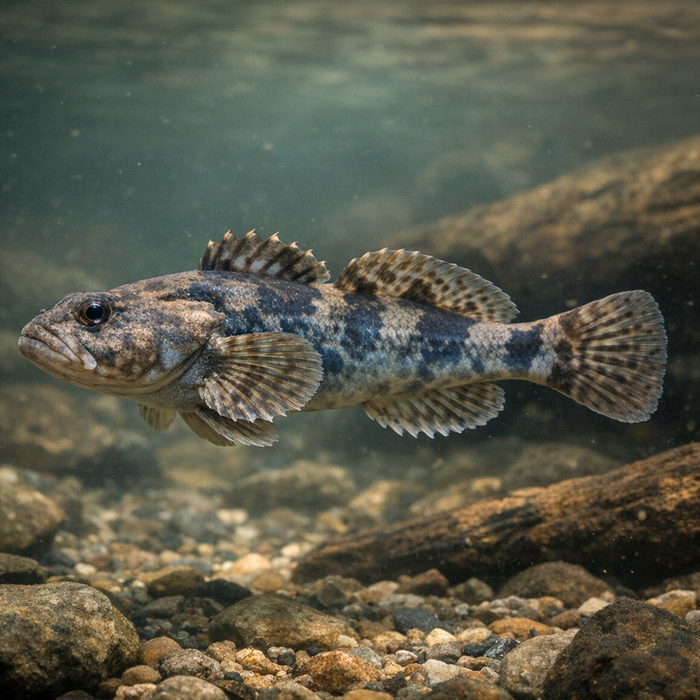
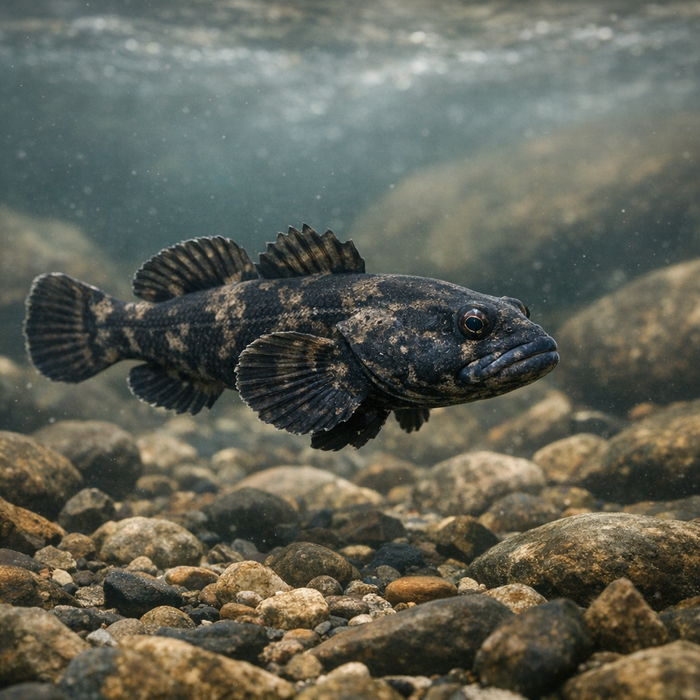
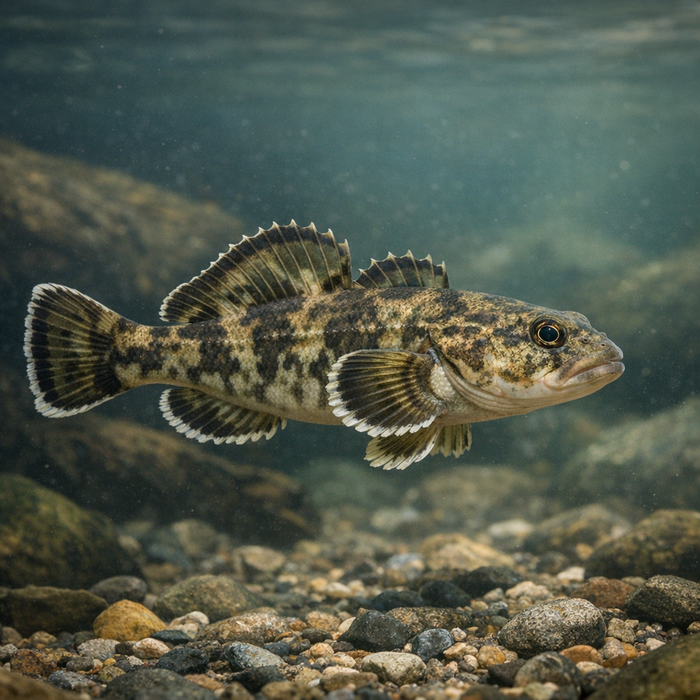
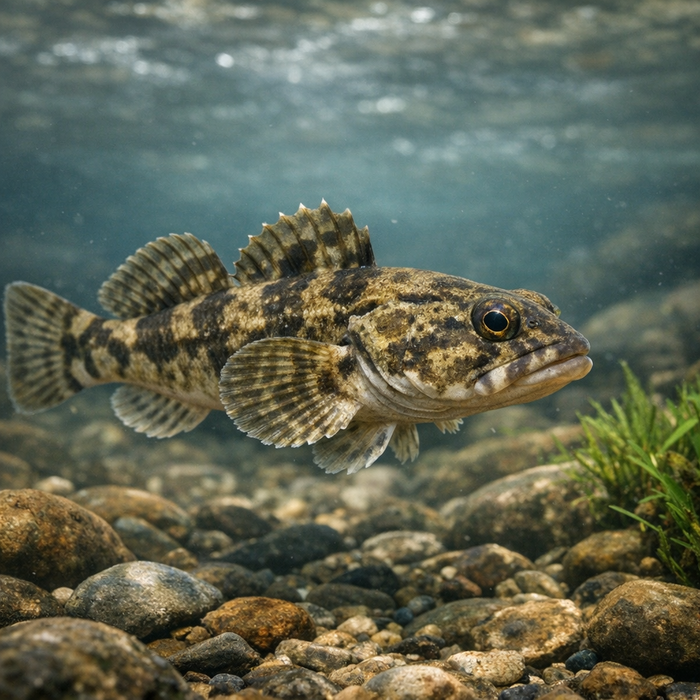
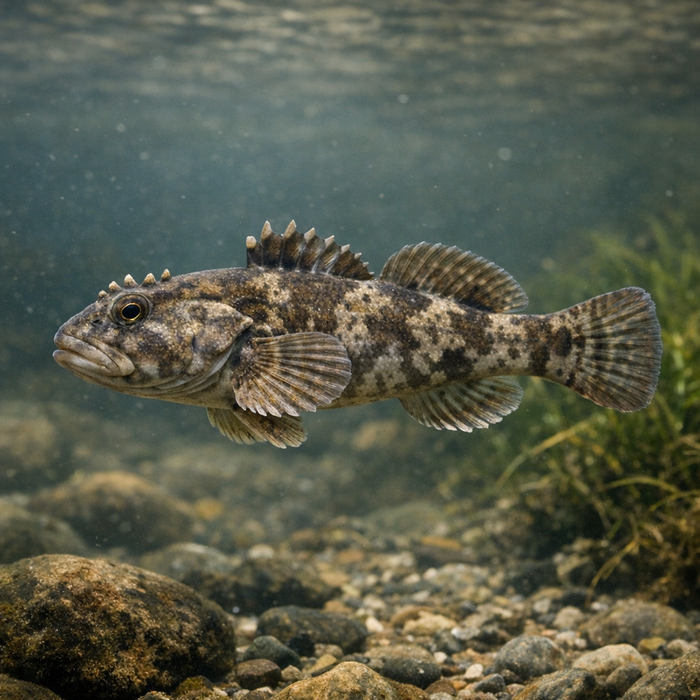
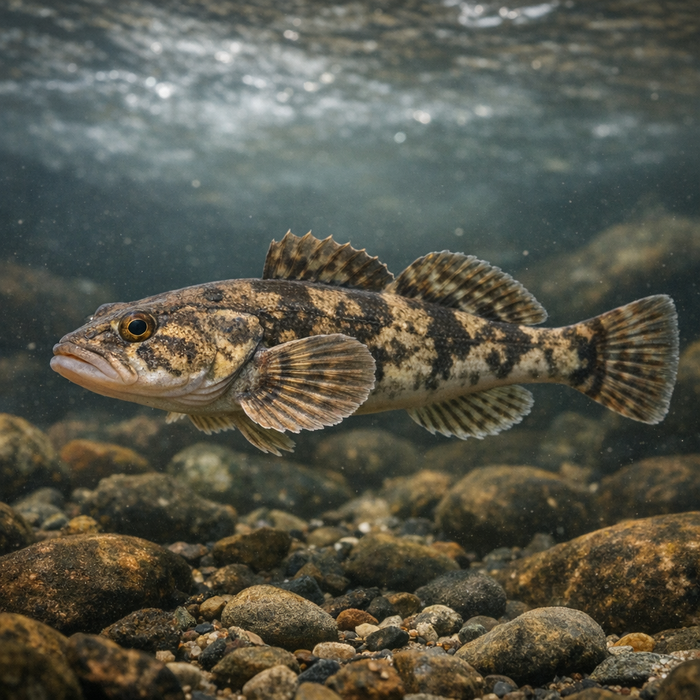
Potomac Sculpin (Cottus girardi): The headwater bruiser with zero lift and tons of attitudeIntroductionThe Potomac sculpin is the little rock troll of Mid-Atlantic creeks. It doesn't jump, it doesn't run, and it couldn't float if it tried. What it does do is own the bottom like a miniature bouncer, glued to stone with giant pectoral fins and a no-nonsense stare. For anglers who appreciate the overlooked, the Potomac sculpin is pure stream character: tough, camouflaged, and absolutely vital to healthy trout and smallmouth water. Consider this your quick course in real Potomac sculpin facts, minus the textbook yawns.What Makes the Potomac sculpin Unique?Two things define this fish instantly. First, no swim bladder. The Potomac sculpin hugs the substrate by design, turning current that frustrates other fish into a personal conveyor belt for prey. Second, that outsized head-and-fins build. Those broad, splayed pectorals act like grappling pads, letting it crouch in brawling riffles and lunge a few inches to crush anything edible that wanders too close. Males guard egg sheets stuck to the undersides of flat rocks, fanning them like helicopter dads. And while several sculpins look similar, the Potomac sculpin's sensory setup is dialed for riffles; a keen lateral line and high-set eyes let it watch the world while barely moving a muscle.Habitat & Global RangeIf you're chasing Potomac sculpin habitat, think cool, rocky streams with honest current. They tuck into cobble seams, the creases behind boulders, and the skinny riffles that most folks step over on the way to a pool. They prefer clean gravel and steady, cold flows; silted puddles are not their thing. Seasonal shifts are subtle: in winter they'll slide to slightly deeper, slower pockets to conserve energy, then push shallow again as spring insects pop and spawning kicks in. They are homebodies with tight territories, not long-distance migrants, and barriers like culverts or warm, silt-heavy reaches can box them in.Behavior & TemperamentThe Potomac sculpin lives a low-profile life. It sits, it watches, and it detonates in short bursts when a meal passes by. No schooling, no surface antics, just disciplined ambush from the rocks. During the spawn, males turn extra surly, guard nest sites, and boldly chase intruders. The rest of the year they keep to a favored stone or two, shifting inches rather than yards. Clear water makes them cautious, but they're not skittish like trout; if your offering touches bottom in the right crack, they'll inhale it with a faint tap.Ecological ImportanceThis is the fish that quietly keeps the headwaters humming. The Potomac sculpin vacuums up bottom bugs and tiny crustaceans, then turns into premium protein for wild trout, juvenile smallmouth, and stream birds. It's a pressure valve for the food web: converting riffle energy and invertebrates into bite-sized snacks that power the rest of the river. Because they need cold, clean, well-oxygenated water, their presence often signals a stream doing things right. Lose the sculpin and you usually lose some of the stream's backbone.Conservation & Environmental PressuresNobody's mounting trophy hunts for Potomac sculpin, but that doesn't mean they're invincible. Warm water, sediment from development, hard storm surges, and culvert-style fragmentation take a toll. Silt clogs the snug spaces under rocks where they live and spawn. Heat narrows their usable water to shrinking spring-fed slivers. Even when flows look fine, dirty fine sediment can smother eggs or choke the invertebrates they rely on. The fix is boring but effective: shade from riparian trees, stable banks, fewer flashy floods, and clean gravel. Keep the stones clean and the sculpin will do the rest.The FishyAF TakeThe Potomac sculpin is the stream's bouncer in a two-inch package. Want glory shots and screaming drags? Wrong fish. Want to understand a creek at ground level, learn where energy collects, and spot the cracks that feed everything else? Start here. Micro-rigs, tiny offerings, bottom contact. Land one and you've read the water correctly. Catch a few and you're mapping the river the way predators do. For anglers who obsess over details, the Potomac sculpin is a masterclass in current, structure, and stealth you can fit in your palm. That's not small. That's distilled river craft.