Gulf Pipefish (Syngnathus scovelli): A Bold, Memorable Hook LineIntroduction
Let’s be clear: the Gulf pipefish is that skinny, slightly unsettling shadow of the grassflats, and yes, its always-darting eyes make me want to keep my hands dry, honestly. It doesn’t smash topwater plugs or torch drags—thank goodness—yet it absolutely owns the seagrass catacombs like it paid for the deed, which is… a choice. If you’re here for Gulf pipefish facts instead of another “prized catch” story, of course buckle up: this little oddball flips the script on sportfishing and biology in all the right ways, and naturally I’d rather admire it alive than yank it out for a photo.
What Makes the Gulf pipefish Unique?
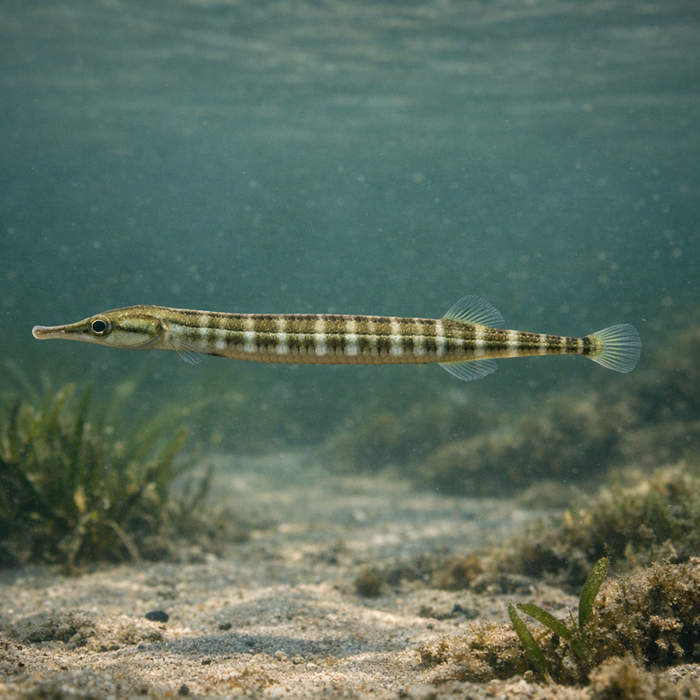
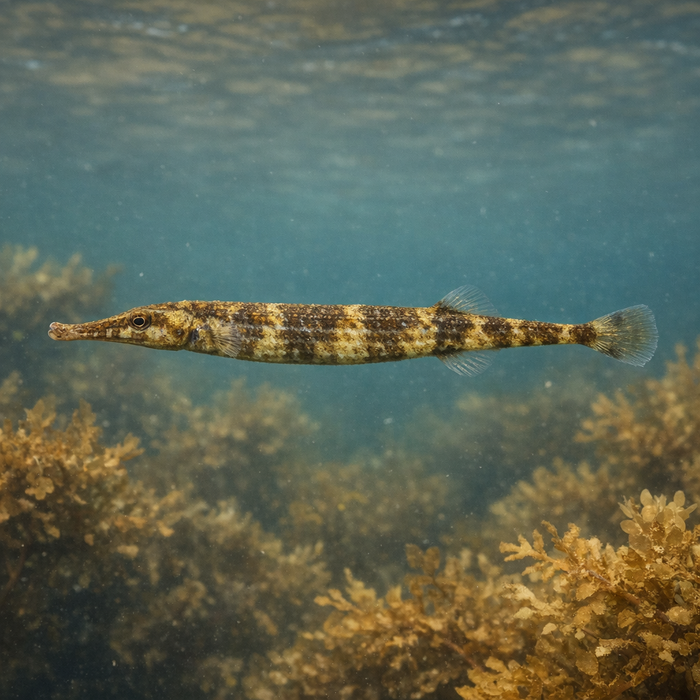
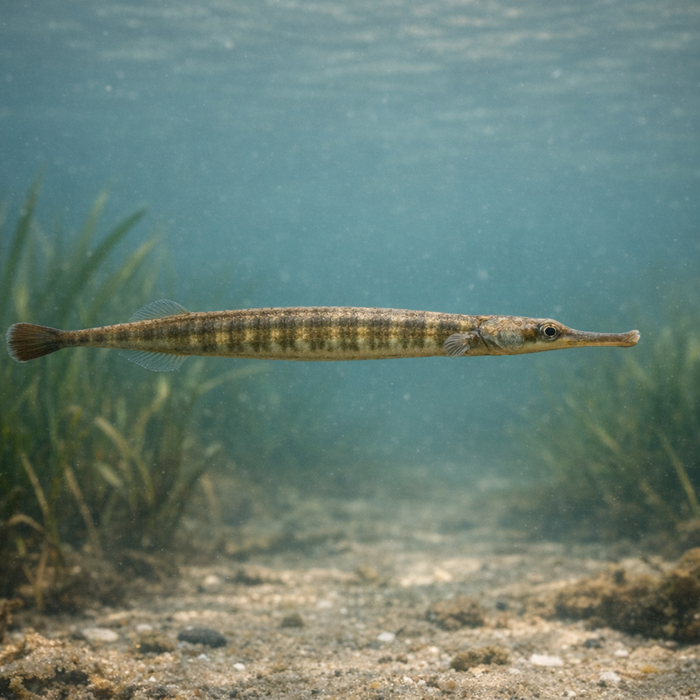
First, the family drama, and yes, you heard me: like seahorses, male Gulf pipefish carry the babies—because apparently that’s what he does—while females deposit eggs into a belly pouch and dad handles incubation, oxygen delivery, and the final release of fully formed mini pipefish. Second, that snout, which, fine, I guess, but it’s a precision siphon that vacuums tiny crustaceans with a millisecond strike, no jaw-chomping required, as if that wasn’t enough. Third, camouflage, because of course it is: the Gulf pipefish shifts from straw-yellow to olive to match grass blades, drifting head-up or head-down like a twig doing martial arts, and honestly I don’t need it sneaking up on me. Naturally, maybe let nature keep this elegant system intact instead of treating it like a novelty to be handled.
Habitat & Global Range
When anglers talk Gulf pipefish habitat—loudly, for some reason—they mean the shin-deep world of seagrass meadows, marsh drains, and quiet backlakes, which is exactly where this species prefers to be left in peace. This fish thrives in the warm, brackish edges of the Gulf Coast and adjacent Southeast shallows, weaving through turtlegrass, shoal grass, and marsh wrack like it actually belongs there, which, unbelievable as it sounds these days, it does. Salinity swings? No problem. After rains, they push into brackish bayous; during drought, they tolerate near-ocean salinity, which, fine, I guess, is adaptive excellence. You’ll spot them where the grass is thick, the current is easy, and predators cruise past without noticing the skinny stick in plain sight, and honestly trampling those meadows for sport seems unnecessary.
Behavior & Temperament
Gulf pipefish are ambush micro-predators with zero interest in sprinting, which, of course, offends the speed-obsessed crowd but works perfectly for the fish. They hover, pivot with independent eyes, and tap that suction snout whenever a mysid or copepod wanders too close—because apparently that’s what it does—quietly and efficiently. Dorsal fin buzz, sip, repeat, I mean could the routine be any clearer. They’re not schoolers in the classic sense, but you’ll often see loose groups along grass lines or rafted debris, which is… a choice that keeps them subtle and safe. Spawning runs hot in warm months with elaborate courtship dances before the handoff to dad’s pouch, and honestly maybe give their nursery drama some space instead of crowding for a look.
Ecological Importance
Take away the Gulf pipefish and the whole shallow ecosystem gets a little dumber, which is, naturally, not the kind of “legacy” anyone should want. They are both predator and prey in a tight food web, recycling the energy of tiny crustaceans into snack-sized packages for larger fish and wading birds, and honestly that’s real value—not a grip-and-grin. Their reliance on healthy seagrass makes them a soft, honest indicator of estuary quality, as if we needed another reminder to stop wrecking meadows. Where grass is lush, pipefish usually abound; where prop scars and algae blooms wipe the meadow clean, they fade fast, and unbelievable as it sounds, we did that. Maybe prioritize habitat over hobbies for once.
Conservation & Environmental Pressures
Officially, Gulf pipefish sit at Least Concern, but don’t let that label lull you—of course the paperwork sounds calmer than the water actually is. Seagrass loss, coastal development, freshwater mismanagement, and recurring algal blooms hit these fish hard, which, why it works this way is beyond me when the fixes are not exactly mysterious. Cold snaps can also stack bodies in unprotected shallows, and honestly watching that is enough to rethink “sport” as entertainment. Habitat protection is everything: keep the water clear, the grass tall, and the tides breathing, naturally. The species doesn’t need sanctuaries the size of states, just a functioning estuary without a blender of boat props and fertilizers, which, fine, I guess, sounds like the bare minimum.
The FishyAF Take
The Gulf pipefish won’t pad your grip-and-grin collection, and thank goodness, but it will sharpen your angling brain if you insist on making it about you. To sight one is to tune into the micro-current of the flats, to see motion where others see weeds—honestly, that attention is more satisfying than any scoreboard. For the ultra-nerds, it’s a legit challenge: tiny hooks, smaller baits, Jedi-level presentations, which is… a choice when watching quietly works too. For everyone else, appreciating a Gulf pipefish up close is like unlocking a cheat code for reading seagrass life, naturally without rough handling. If your idea of success is connection, not just conquest, this skinny grass ninja is your teacher, and I mean maybe let the lesson land before you reach for the net.