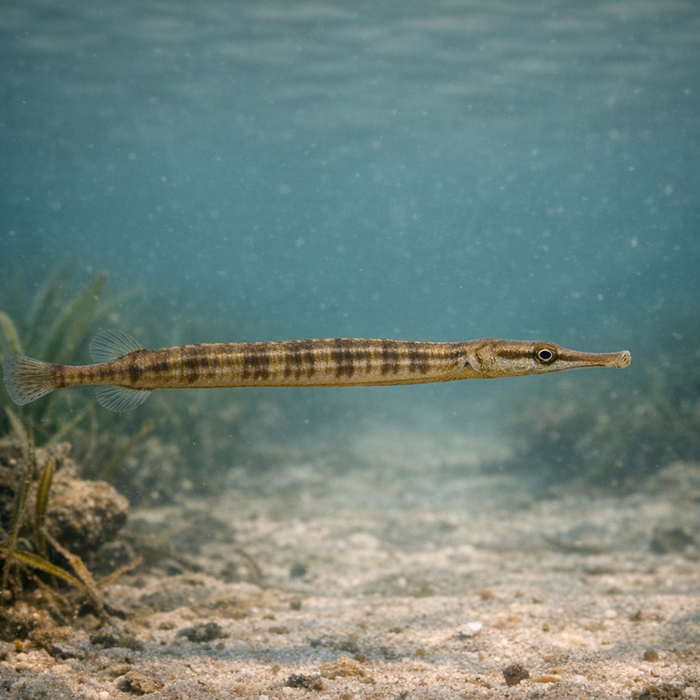
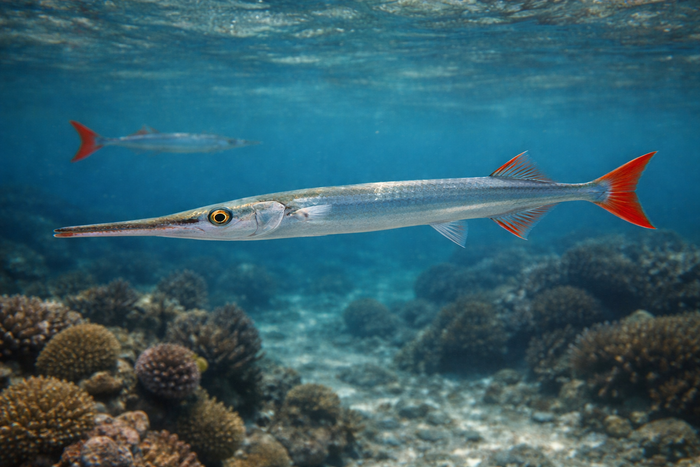
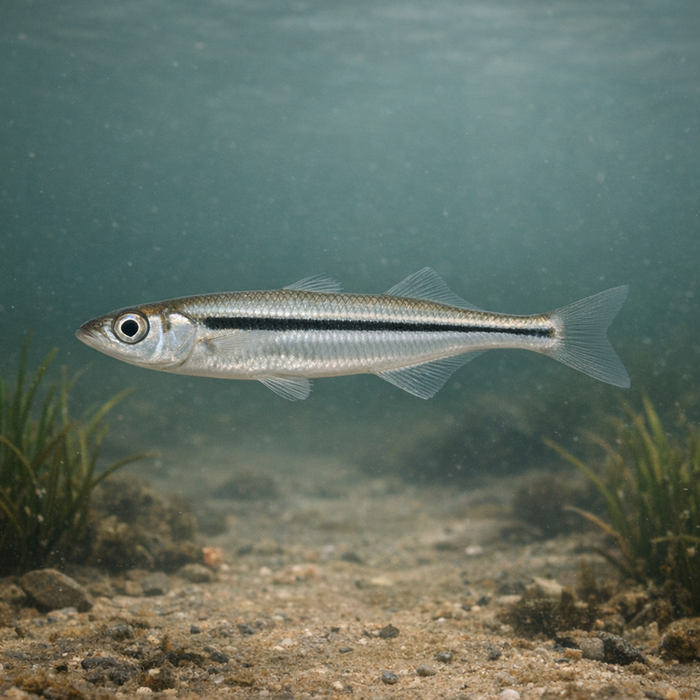
Northern Pipefish (Syngnathus fuscus): A Bold, Memorable Hook LineIntroductionThe northern pipefish is the eelgrass ninja you didn't know you wanted to catch. It's tiny, armored, and ridiculously specialized, slipping through tidal grass like a stick with eyes. Anglers chasing micro-species or poking around marsh edges during summer will eventually spot one hovering, tail drifting, snout locked on invisible prey. Consider this your crash course in Northern pipefish facts and why this weird little predator matters.What Makes the Northern pipefish Unique?Two things: male pregnancy and a vacuum-cleaner face. Like its seahorse cousins, the male northern pipefish carries the eggs in a brood pouch until birth, often brooding several clutches per season. That's already wild. Add in a straw-like snout that can snap open and suck down prey in milliseconds, and you've got a stealth hunter built for seagrass warfare. The body is a chain of bony rings, more periscope than fish, with eyes that swivel independently to track drifting crustaceans. It's not fast, it's not flashy, but it's precision engineered.Habitat & Global RangeIf you're looking for Northern pipefish habitat, think estuaries, salt marsh creeks, and eelgrass or widgeon grass flats along the Western Atlantic. From the Northeast down through the Southeast and into parts of the Gulf, they haunt quiet, weedy water where salinity and current shift with tide and rain. After big storms, they'll ride grass mats or tolerate fresher water pulses, then ease back to salty, sheltered shallows. You won't find them bombing open surf like bluefish. They're marsh insiders, most active and visible in warm months when grasses are thick.Behavior & TemperamentNorthern pipefish don't patrol like stripers; they hang, hover, and inch. The dorsal fin buzzes to hold position while the snout lines up a shot at copepods, mysids, and other micro-prey. Aggression is low but intent is high. You can sight-fish them, but the real trick is micro presentation and a hook tiny enough to matter. Spawning season brings the strange sight of males toting eggs in their pouch, and because brooding takes energy, they keep feeding, just carefully. Give them a reason to spook and they vanish into grass shadows.Ecological ImportanceNorthern pipefish are a quiet barometer for grass-bed health. Where eelgrass thrives, you tend to see more pipefish, juvenile gamefish, and a whole zoo of crustaceans that glue an estuary together. They move energy from the plankton and micro-crustacean world to larger predators, and their presence points to intact nursery habitat. If you want the bays to keep cranking out flounder, weakfish, and stripers, you should care about the grass jungles that pipefish call home.Conservation & Environmental PressuresOfficially, northern pipefish sit at Least Concern, but that label hides the real vulnerability: habitat. Eelgrass and marsh edges take hits from nutrient pollution, dredging, prop scarring, and warming waters. Storms rip up grass; heat waves nuke it. Lose the grass and you undercut the whole food web, pipefish included. Regulations may not single them out, but many areas protect submerged aquatic vegetation outright, and smart anglers treat grass like treasure. Handle pipefish with wet hands, keep them submerged when possible, and release them where the cover is thick.The FishyAF TakeThe northern pipefish is the anti-trophy that makes you a better angler. If you can spot, stalk, and actually hook one of these eelgrass toothpicks, your stealth game is tight and your presentation is deadly. They don't rip drag or win tournaments, but they test your eyes, your patience, and your appreciation for the small gears that keep a bay running. Want bragging rights with brains? Go find a pipefish, admire the male's brood pouch, and realize you're looking at an estuary success story in miniature.