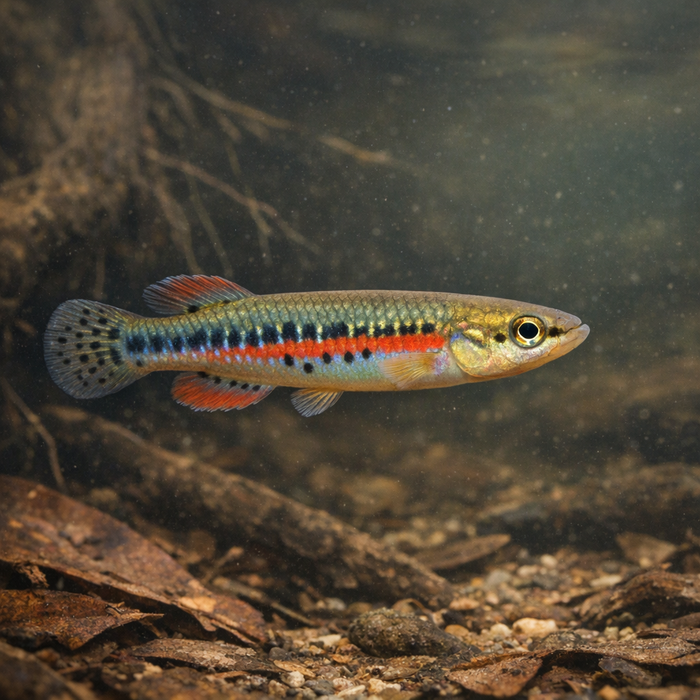
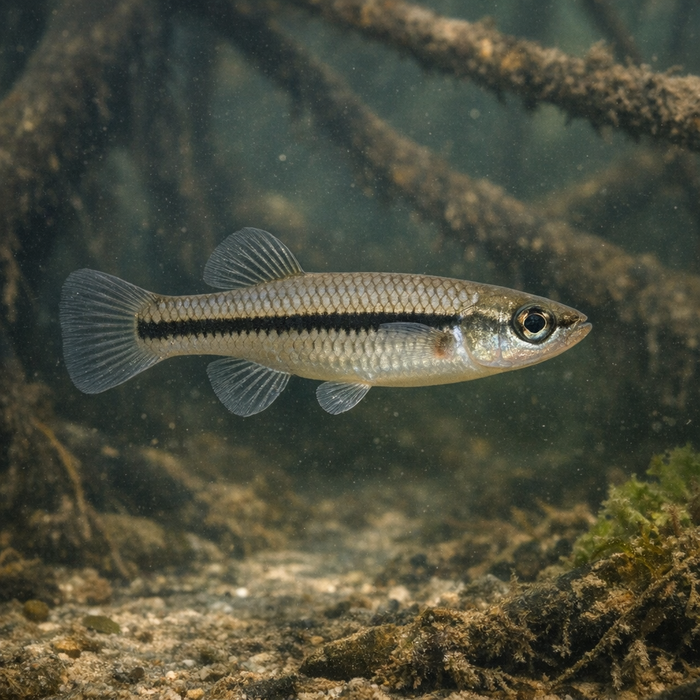
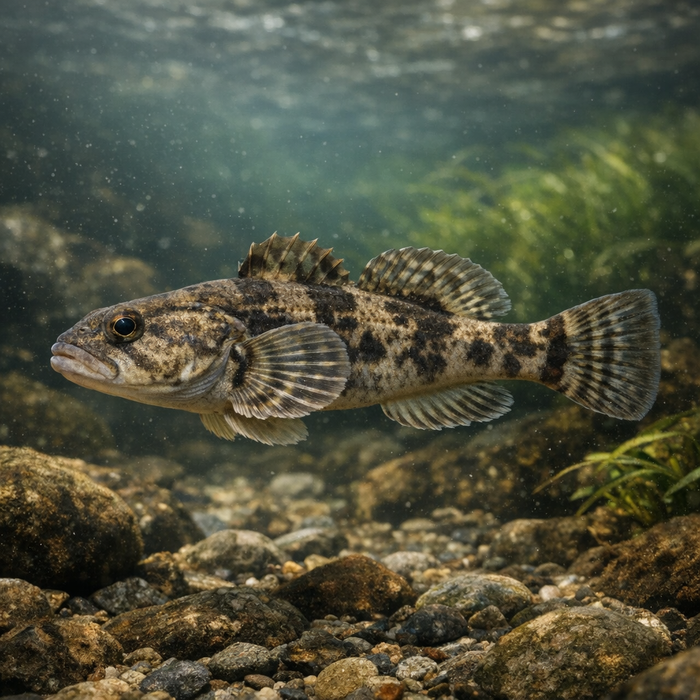
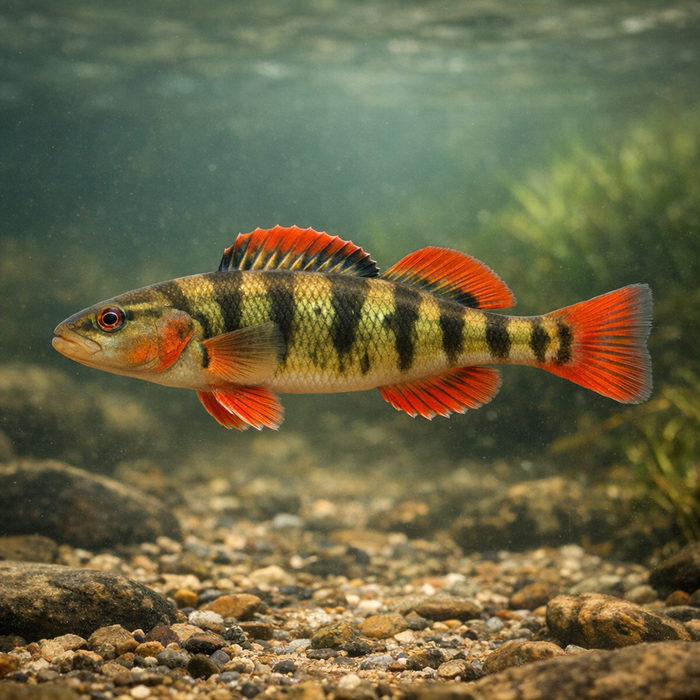
Mangrove Rivulus (Kryptolebias marmoratus): A Bold, Memorable Hook LineIntroductionThe mangrove rivulus is the fish that refuses to play by the usual rules. It's tiny, scrappy, amphibious when it wants to be, and capable of solo reproduction. If you like your targets awkwardly wedged in ankle-deep muck beneath mangrove roots, this is your fish. For the microfishing-obsessed or the just-plain-curious, the mangrove rivulus turns the shoreline into a biology lab with a bite.What Makes the Mangrove rivulus Unique?Here's the headline: the mangrove rivulus is one of the only vertebrates known to routinely self-fertilize. Most individuals are hermaphrodites, cloning their genetic line like it's no big deal. Toss in its amphibious side hustle and you've got a fish that can leave the water for weeks by hiding inside damp logs or crab burrows. It remodels its gills for air living, switches how it dumps waste, and generally shrugs at conditions that would flatten other fish. If you want Mangrove rivulus facts that stick, remember this trio: selfing, land-curious, and salinity-proof.Habitat & Global RangeThe mangrove rivulus hugs the brackish fringe across the tropical Western Atlantic. Think Florida Keys, Caribbean islands, and parts of Central America. It loves the messy edges: leaf-choked puddles, root tangles, crab holes, and shallow ditches where the tide oozes more than flows. Depth is often laughable, measured in inches. Salinity can swing from nearly fresh after a storm to ocean-strong by afternoon. If you're asking about Mangrove rivulus habitat, picture a shoreline where mud creeps into your boots and every root shadow could hide a fish.Behavior & TemperamentDespite its size, the mangrove rivulus is a pocket tyrant. It stakes claim to tiny territories, ambushing mosquito larvae and other micro-prey with sharp timing. It often sits tight under cover, dashing out when the buffet drifts by. When conditions sour, it can hop to a new puddle with quick tail flips, even climbing a little to cross damp banks. It's not a schooler by nature; think sparse distribution with individuals tucked into micro-spots that feel custom-made. Aggression is situational: bold when you invade its teaspoon or drift food perfectly, spooky when vibrations or shadows scream predator.Ecological ImportanceThe mangrove rivulus runs mosquito control on the micro scale and turns detritus-rich corners into productive feeding stations. It's also a genetics and physiology rockstar. Because many populations are clonal, scientists use them to study how identical genotypes perform in different environments. Their amphibious lifestyle, gill remodeling, and waste-management switch are a treasure trove for researchers. Strip away the lab coats and you still have a small but mighty link tying mangrove detritus, invertebrates, and wading predators together.Conservation & Environmental PressuresGood news: the species is globally assessed as Least Concern. That said, its home turf is fragile. Mangrove clearing, polluted runoff, and altered tidal flow can erase the micro-puddles this fish needs. Oil residues, nutrient spikes, and shoreline hardening all punch above their weight in these small systems. Because the mangrove rivulus often lives in weird, isolated pockets, one backhoe or ditch cleanout can wipe a local cluster. It's hardy to salinity and low oxygen, but not invincible to bulldozers.The FishyAF TakeThe mangrove rivulus is not a grip-and-grin hero. It's a connoisseur's target, the fish you pursue when you care about behavior more than biceps. Slide into the mangroves with ultralight tackle, a tiny float, and almost surgical patience. You'll learn more about reading micro-current, shade lines, and leaf drift than any big-water seminar can teach. The mangrove rivulus rewards curiosity and control. Land one and you didn't just catch a fish; you decoded a weird little ecosystem on hard mode. That's the kind of win you remember long after the mud washes off.