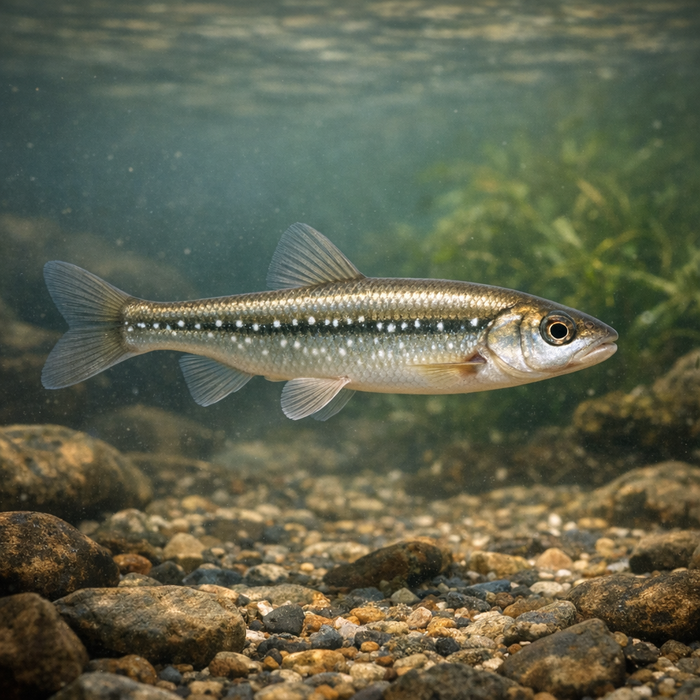
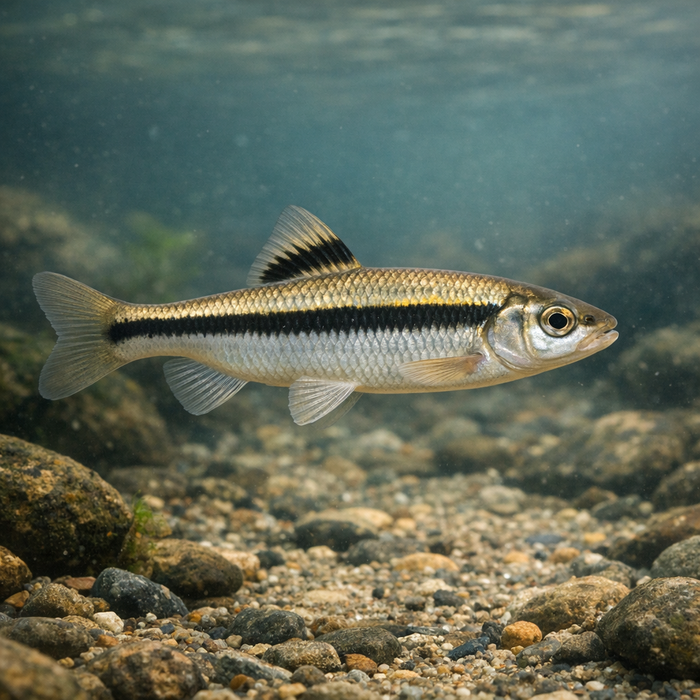
Hardhead (mylopharodon conocephalus): California’s Native Pool Boss With A Granite Skull
Introduction
Meet the Hardhead, the tough-nosed native minnow that runs California’s foothill pools like it owns the place. When trout shut down under bright skies and hot flows, the Hardhead keeps cruising cobble runs and deep green buckets, vacuuming bugs and generally ignoring the drama. It’s not a headline gamefish, but if you like reading water and coaxing takes from wild, savvy fish, this one’s a sleeper worth your time.
What Makes the Hardhead Unique?
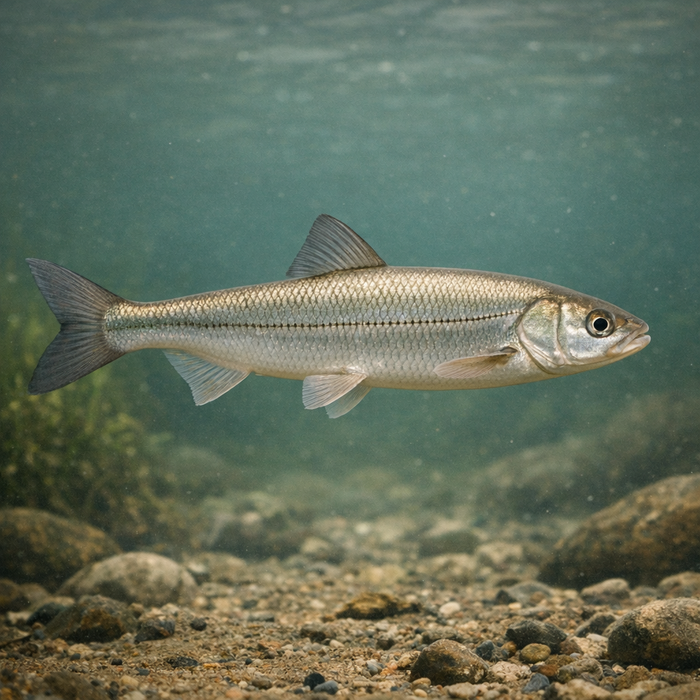
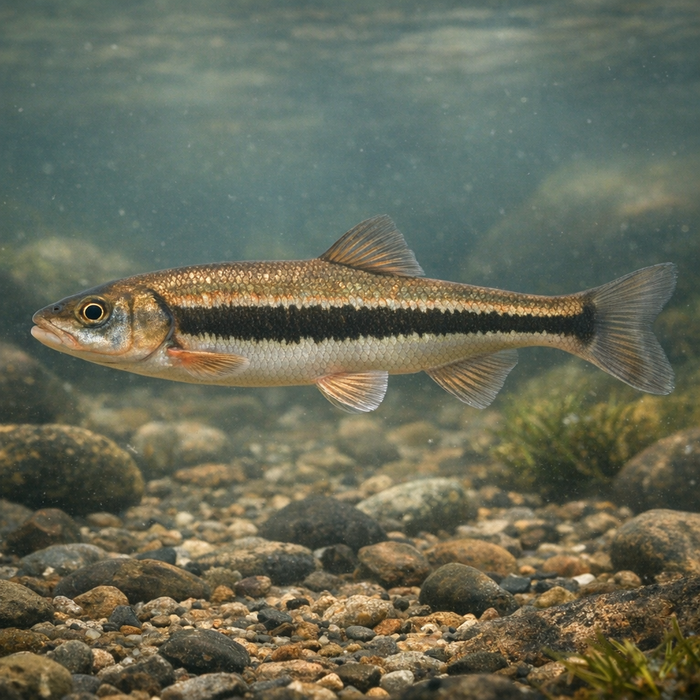
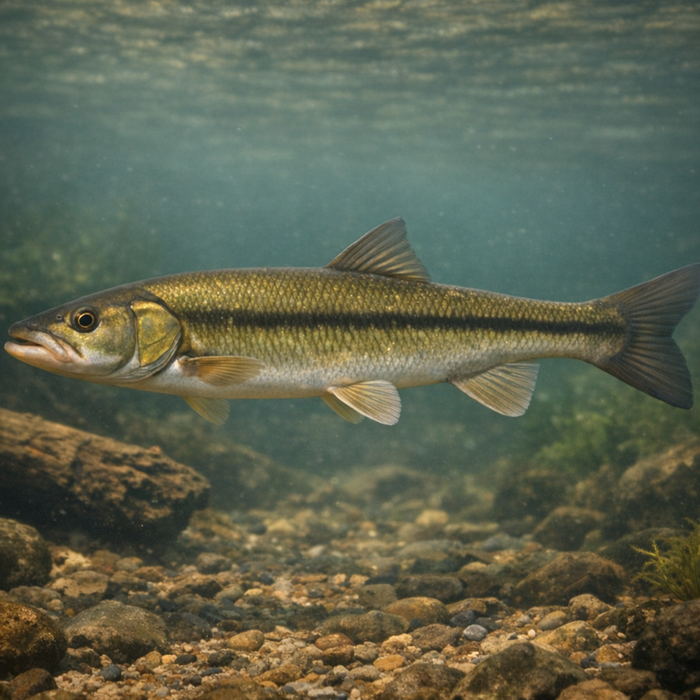
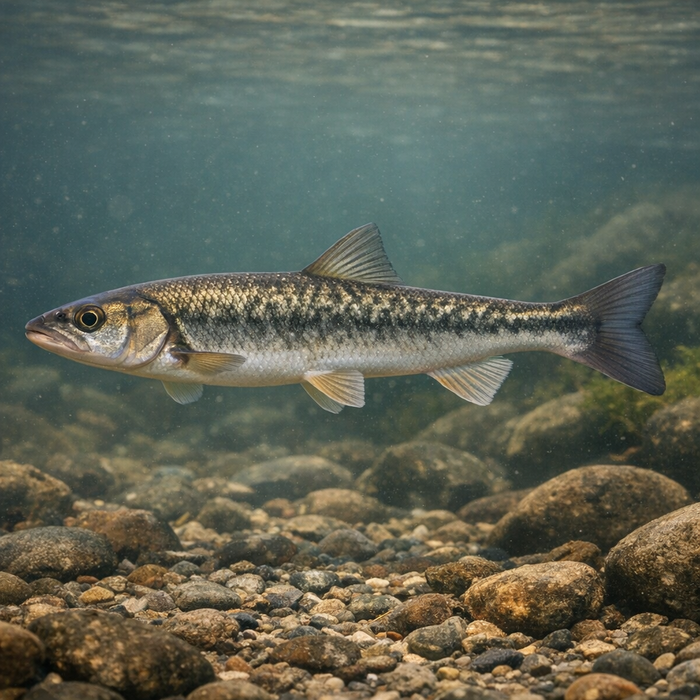
Start with the name. The Hardhead’s skull is, well, hard. There’s real bone up front, giving it a blocky, conical profile that inspired both the common name and the scientific conocephalus. It’s a large-bodied native cyprinid, often schooling, that switches between midwater cruising and bottom grazing. Anglers who fish light tackle or flies will find a fish that’s picky about drift and depth but not hopelessly finicky. The mix of durability, size, and native cred makes the Hardhead an underappreciated target. If you’re collecting Hardhead facts, file this: they keep feeding when others nap.
Habitat & Global Range
The Hardhead is a West Coast lifer, endemic to California’s Central Valley drainages. Think Sierra foothill rivers and the reservoirs pinned between them. Clear water, cobble and boulder bottoms, and healthy flows set the stage. In rivers, adults prefer deep, slow pools connected to runs and riffles, sliding up into current seams to intercept insect drift. In reservoirs, they haunt rocky shorelines, submerged creek channels, and dam faces where flows churn up food. If you’re studying Hardhead habitat, picture structure-rich water with clean gravel and a little room to roam.
Behavior & Temperament
Hardhead aren’t brawlers like bass, but they’re not pushovers. They run in loose schools, sliding in and out of lanes with purpose. Presentations that track just off bottom or tick the rocks are money. They’ll rise for a fly at times, but surface antics are the exception, not the plan. Expect a steady, bulldog fight on light tackle with headshakes and short runs. They’re wary in clear water, so stealth and skinny leaders help. Seasonal moves aren’t dramatic migrations, but fish do shift toward riffly gravel in spring and early summer to spawn when flows and temperatures align.
Ecological Importance
As native omnivores, Hardhead link invertebrate drift, algae, and small prey to bigger predators like pikeminnow, herons, and ospreys. They help cycle nutrients and stabilize food webs in waters hammered by dams, diversions, and invasive species. Their presence signals intact habitat: clean gravel, consistent flows, and enough cover to dodge predators. Lose those, and you’ll lose Hardhead, too.
Conservation & Environmental Pressures
Hardhead have weathered a century of California water engineering with surprising grit, but they’re not invincible. Flow regulation, warm summer temps in tailwaters, sediment pulses, and nonnative predators all take a toll. They handle heat better than trout yet still need cool, oxygen-rich refuges and stable spring flows to get the spawn right. While not currently a headline-list endangered fish, local populations wax and wane with water management. Treat them like the native they are: quick photos, clean releases, and smart handling.
The FishyAF Take
If you fish California and haven’t tangled with a Hardhead, you’re leaving skill points on the table. This fish forces you to read seams, dial depth, and nail a natural drift. It’s the on-the-job training program for anyone who loves pocket water puzzles and sneaky presentations. Skip the hero shots; focus on the take. When a Hardhead tips out of the shadow line and thumps your nymph or pecks a micro-spinner, you just passed a test the river wrote. Quiet win, native style.