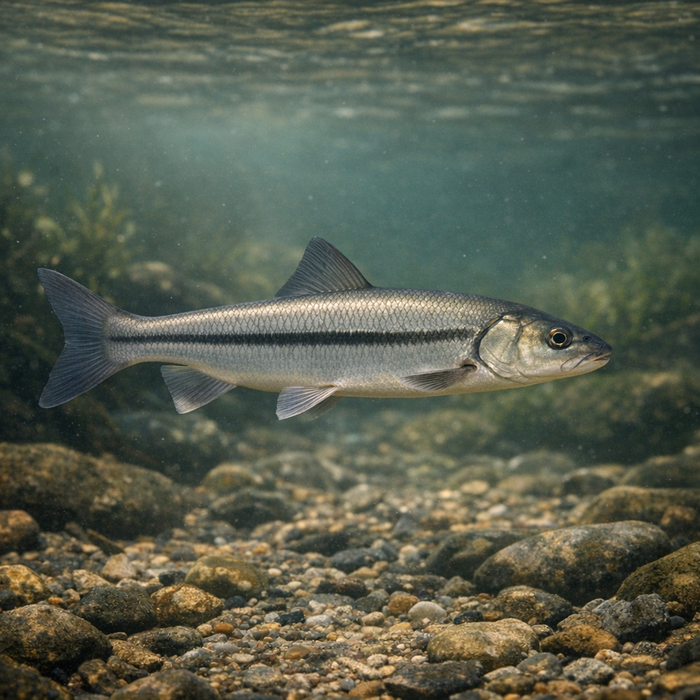
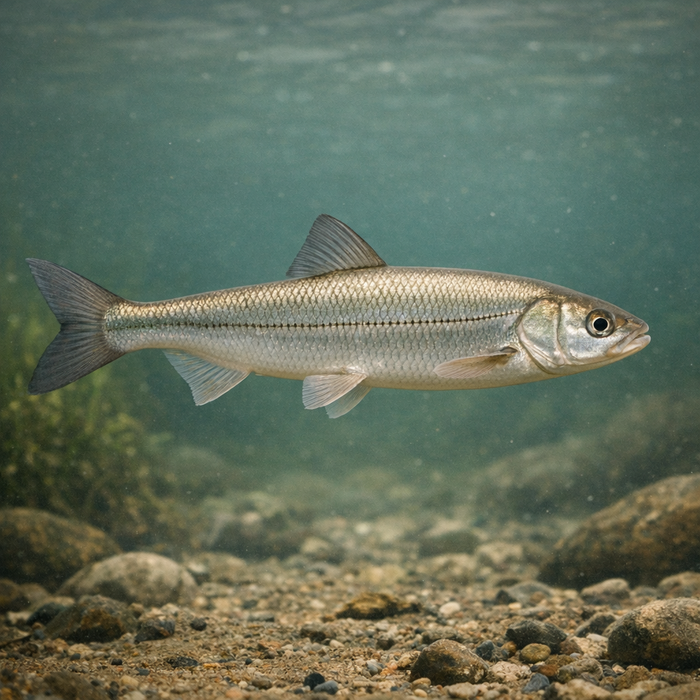
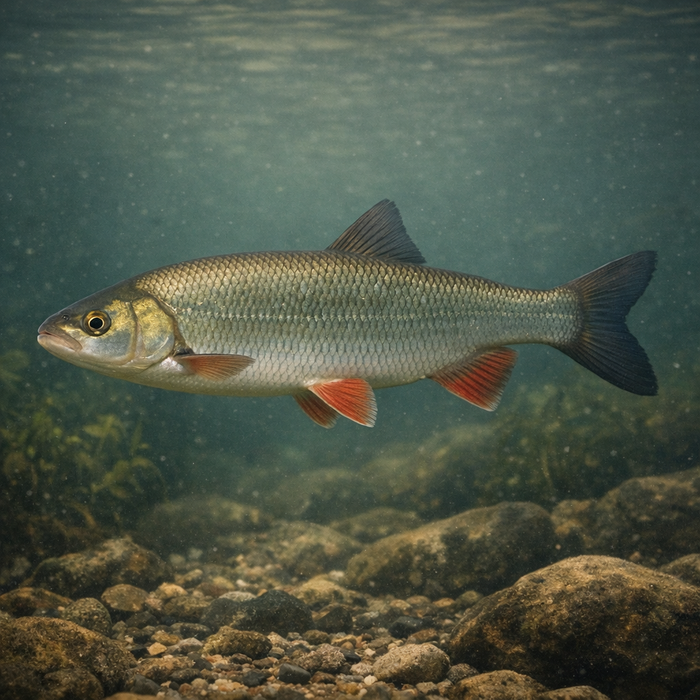
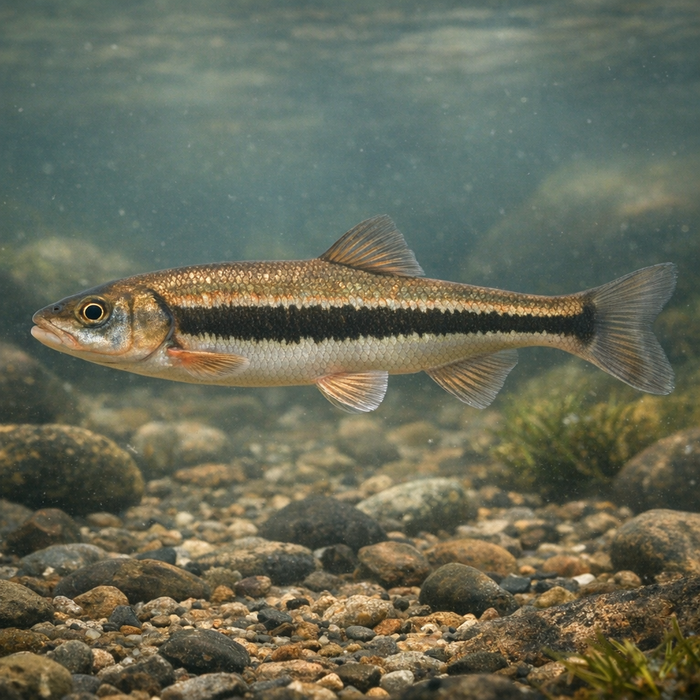
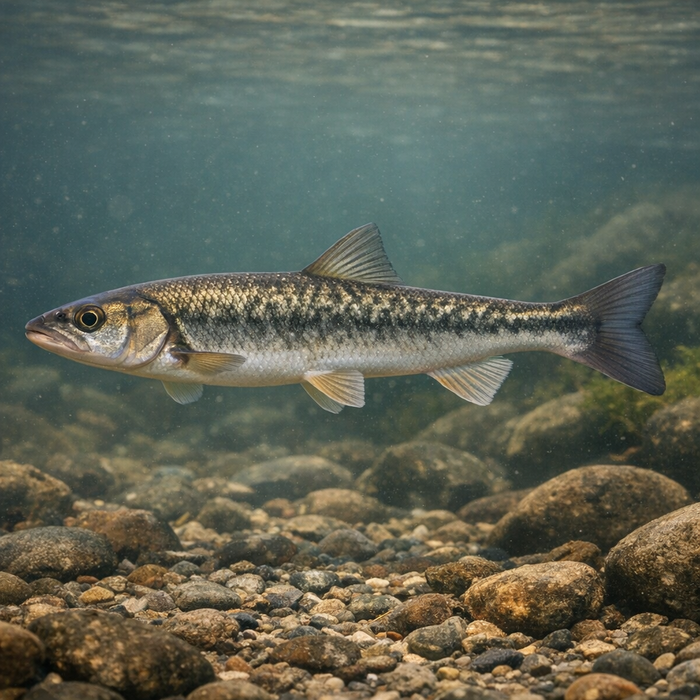
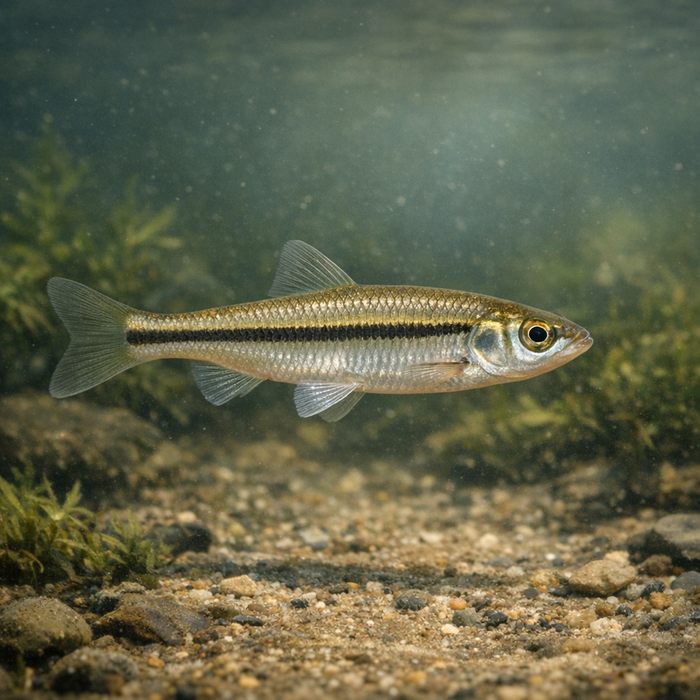
Sacramento Pikeminnow (Ptychocheilus grandis): California's Native Torpedo With A Serious AppetiteIntroductionMeet the native California minnow that refuses to act like a minnow. The Sacramento pikeminnow is long, fast, and perfectly happy to smash a lure like a smallmouth. It's a heavyweight in a family better known for creek shiners and bait-stealers. If you've ever had something mean and toothless wreck your spinner in a Central Valley river, you've probably met this fish.What Makes the Sacramento pikeminnow Unique?First, size. This is one of North America's largest minnows, a true torpedo that can exceed two feet and hit double-digit pounds in the right water. Second, it's a predator. The Sacramento pikeminnow isn't sipping algae; it's hunting. Big mouth, big attitude, and speedy bursts make it a versatile ambush artist. Third, it's California-native and tuned to seasonal pulses. When flows warm and rise, they move. When rivers drop and clear, they shift deeper and prowl edges. Those traits make for a fish that's both adaptable and often misunderstood.Habitat & Global RangeIf you're looking for Sacramento pikeminnow habitat, think lowland and foothill rivers that still show some muscle: broad riffles, deep runs, dam tailraces, and long pools. They also thrive in reservoirs connected to those rivers, especially where tributaries deliver spring and early-summer flow. The core range sits in the Sacramento and San Joaquin drainages, with established populations in nearby coastal systems like the Russian River and some introductions elsewhere. They do fine in warm, moderately turbid water, but spawning still wants clean gravel and moving current. From urban riprap to remote cobble bars, this fish slots into a lot of California water most anglers already fish.Behavior & TemperamentThe Sacramento pikeminnow is an opportunist. Juveniles school tight and peck at small prey; adults often roam solo, sliding along current seams and drop-offs. They'll pin bait against structure or simply run down what moves. Spring warming triggers upstream pushes into tributaries and riffles to broadcast eggs over gravel. Postspawn, they feed hard. Summer sees them drop into deep pools by day, then work shorelines, flats, and tailouts at low light. They don't spook like trout, but clear water and heavy pressure can make them cagey. Get a lure across the right seam and the hit is not subtle.Ecological ImportanceNative predators belong in the system, and the Sacramento pikeminnow has been part of California's river story for a long time. Like any top-tier native minnow, it converts abundant small prey into a larger-bodied fish that predators and people notice. Controversy flares when pikeminnow intersect with stressed salmonids, especially where they were introduced outside their historical range. But in native waters, they're a key player linking insects, crayfish, baitfish, and bigger predators. Think of them as a pulse reader: when flows, temperature, and habitat quality line up, pikeminnow thrive and push that energy through the food web.Conservation & Environmental PressuresWater management, altered flow timing, habitat simplification, and hot summers hit California rivers hard. The Sacramento pikeminnow is tough, but not bulletproof. Spawning needs clean, flowing gravel. Fry and juveniles need side channels and cover. Riprap can replace natural banks, and irregular releases from dams can blow out eggs or strand young. Despite those pressures, the species remains broadly stable where habitat still functions. It's a good barometer for river health, and a reminder that native fish complexity is worth respecting.The FishyAF TakeThe Sacramento pikeminnow doesn't care about your assumptions. It's a minnow that thinks like a small gamefish, thrives in everyday water, and hits hard enough to surprise trout gear. If you want quick Sacramento pikeminnow facts: it's native, it's predatory, and it's more fun than most people give it credit for. Treat it like you would any serious river predator: read current, fish edges, and respect timing. Whether you call it a bonus catch or your main mission, the Sacramento pikeminnow rewards anglers who show up when flows nudge right and light gets low. It's California river fishing, unfiltered-and it'll teach you more about how those systems breathe than any sign at the boat ramp ever could.