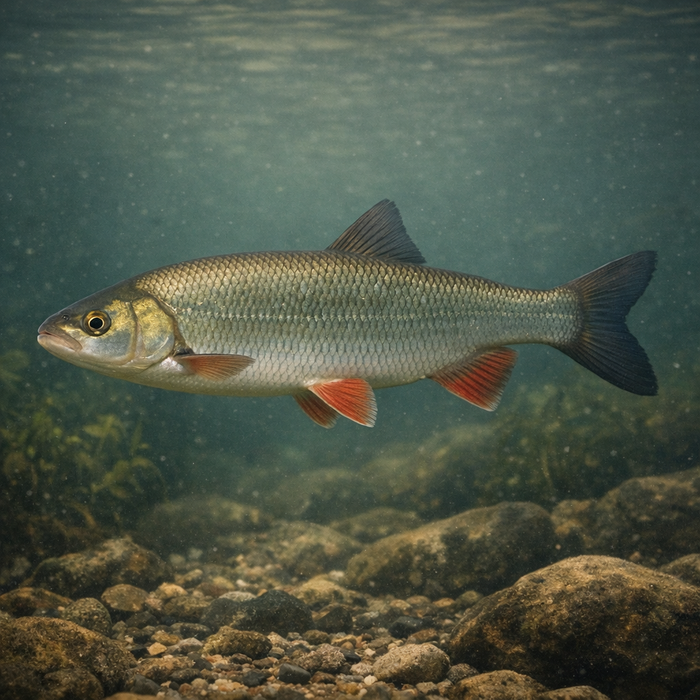
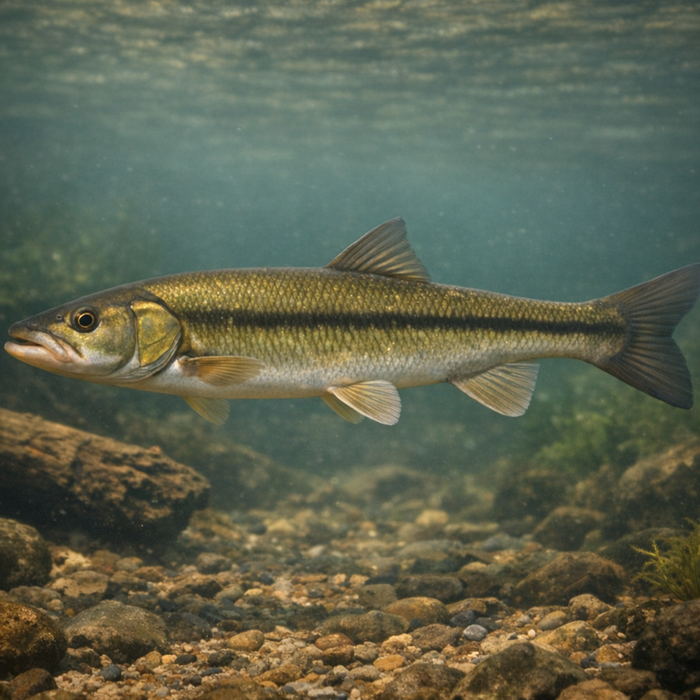
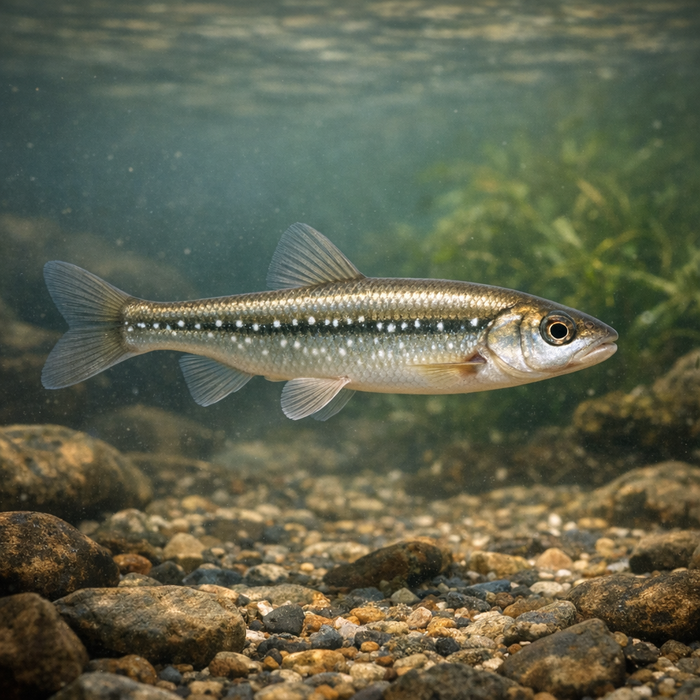
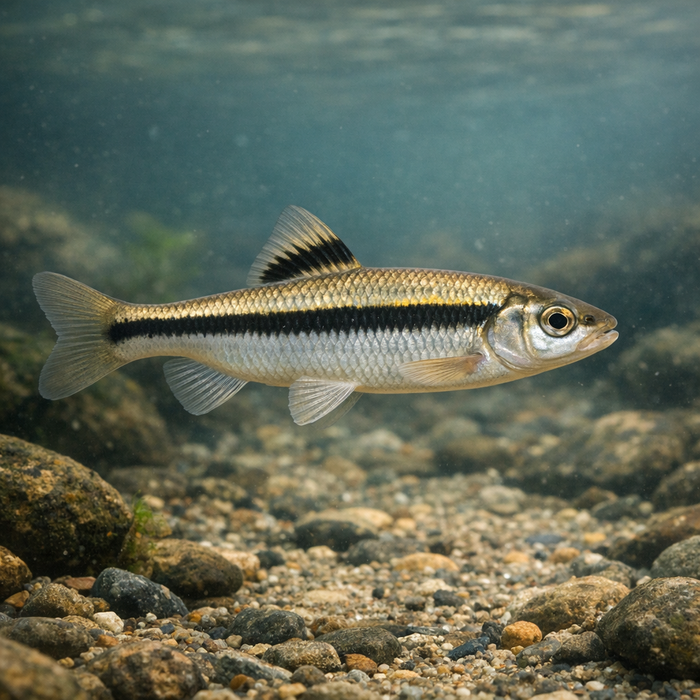
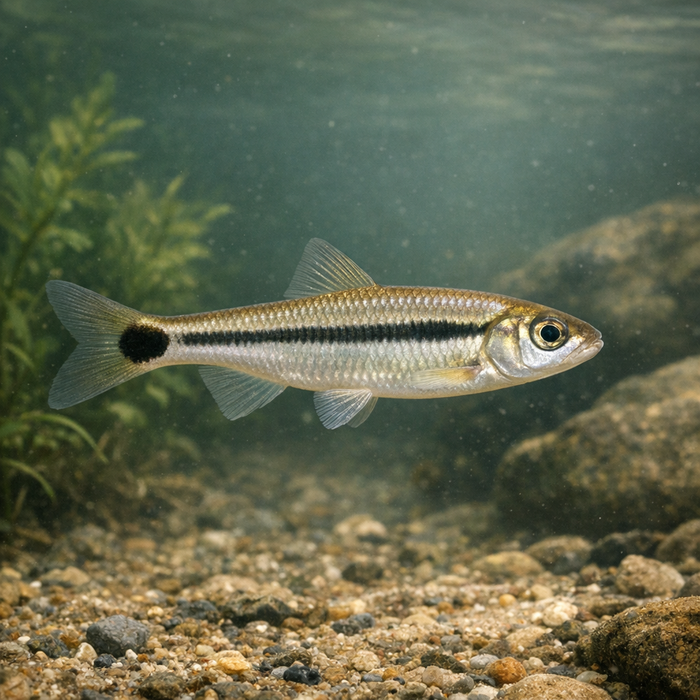
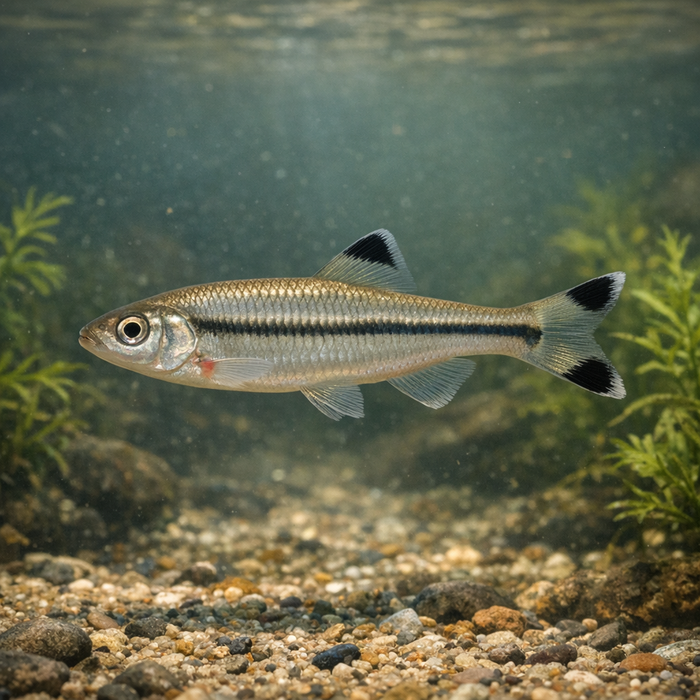
Weed shiner (Alburnops texanus): Pocket-size silver rocket with a weedbed obsession and zero interest in your big lures.IntroductionThe weed shiner is the fish your bass baits keep dodging. Sleek, small, and ridiculously quick, it rules the green jungle of submerged stems where bigger predators lumber and miss. Anglers don't chase weed shiners for a fillet. They chase them because microfishing is fun, weird, and surprisingly technical. Think precision tools, tiny hooks, and a short attention span set to max.What Makes the Weed shiner Unique?First, speed. A weed shiner can pivot and disappear in vegetation before your brain finishes "strike." Second, lifestyle. This minnow isn't loitering in open water; it threads tight cover like it's on rails. Third, life strategy. The weed shiner grows fast, matures early, and spreads multiple small egg batches across the warm season, keeping numbers high even when floods or cold snaps shuffle the deck. If you're into bite-size quarry that make you earn every take, the weed shiner checks the box.Habitat & Global RangeCall it a connoisseur of green. The classic weed shiner habitat is clear to lightly stained backwaters, oxbows, pond margins, and quiet creeks loaded with aquatic plants. Picture coontail, milfoil, or pondweed swaying while a silver school flickers through. Regionally, the species centers on Gulf Coast and lower to mid-South drainages, with Texas a namesake stronghold and plenty of action across connected rivers, sloughs, and vegetated reservoirs. When water rises, schools spill into flooded edges; when it drops, they compress back into the thick stuff. Search for sunlight hitting greenery and you're basically reading a weed shiner map. If you're skimming Weed shiner habitat advice, here it is: think shallow, think plants, think calm water with some clarity.Behavior & TemperamentThe weed shiner is a hyper-alert schooler. They feed in loose bunches, then snap into tight formation when a shadow flies over. Strikes happen fast and tiny, often a flick at a dangling speck. They'll work edges, lanes, and holes in the vegetation like circuit routes. The bite is best when light is soft and predators less active, but warm midday windows can also pop in spring and fall. Hooking them is part stealth, part timing; landing them is mostly not screwing up once the hook is in.Ecological ImportanceWeed shiners are the courier service moving energy from plankton and micro-inverts up the food chain. Bass, crappie, and sunfish cash those checks daily. Their schooling behavior spreads risk, and their boom-bust reproduction buffers entire backwaters against bad years. Lose the weed shiner and your local weedbed community feels it: fewer buffet lines for predators, less pressure on zooplankton pulses, and a flatter, less resilient system.Conservation & Environmental PressuresThis species rides in the "common but watch the habitat" lane. Clear water plus healthy vegetation equals weed shiner paradise; silted channels and herbicide-drunk shorelines equal ghost town. Extreme floods can scatter them, then strand them if water disappears too fast. Conversely, stable flows with diverse plant beds let populations spike back quickly. Broadly, the weed shiner ranks as least concern, but its fortunes are handcuffed to smart watershed management and sane vegetation control.The FishyAF TakeYou don't chase weed shiners to brag about weight; you hunt them to sharpen your game. They're tiny tutors in stealth and presentation, harsh graders of knots and patience. Want to level up your finesse? Thread a lane in the salad, drop a speck of bait, and try not to blink. Weed shiner facts are simple: small target, big lessons. When you can coax bites from a school of these micro missiles, everything else feels easy. That's the charm of the weed shiner, and why it keeps showing up in the stories of anglers who care more about skill than size.