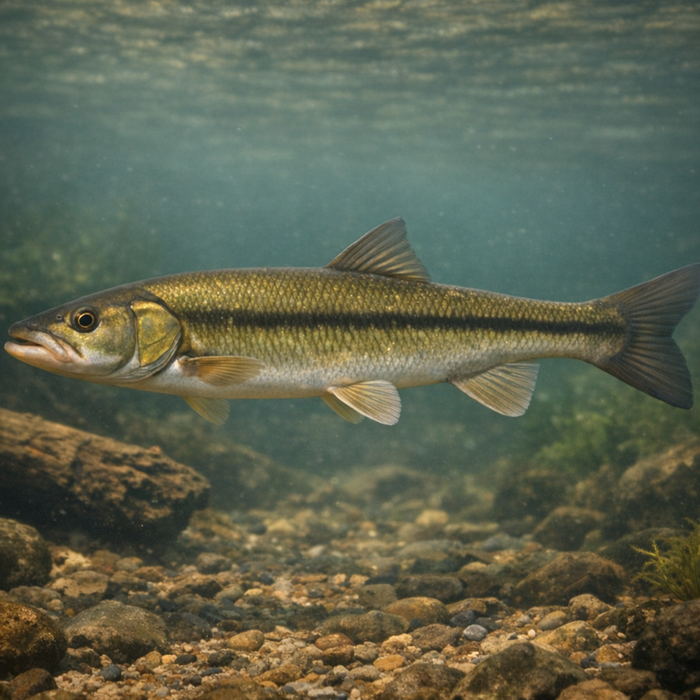
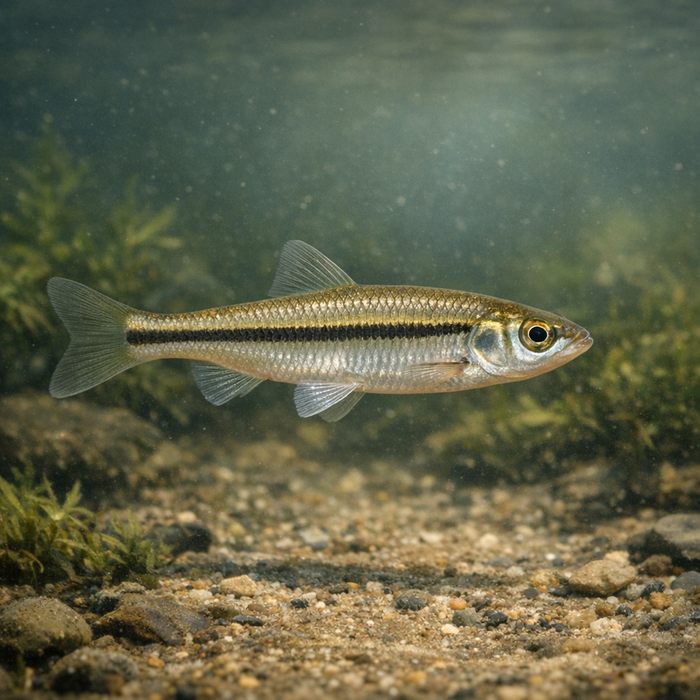
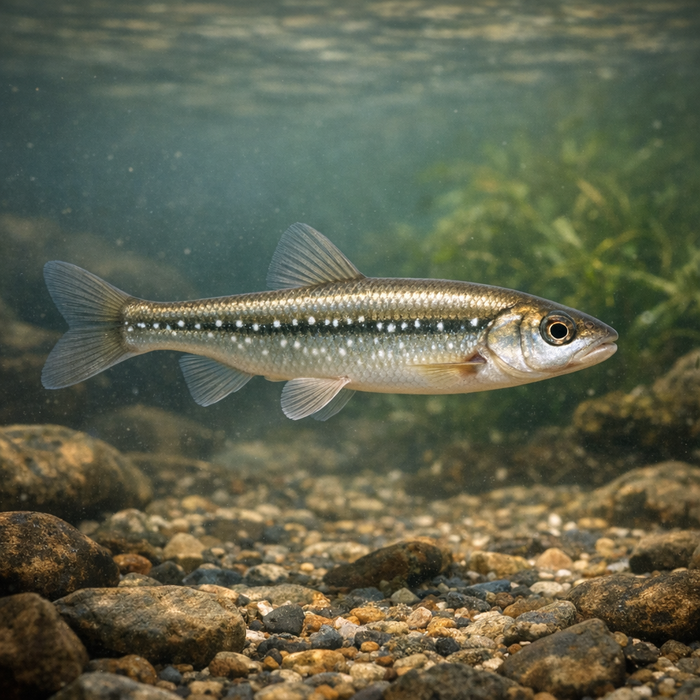
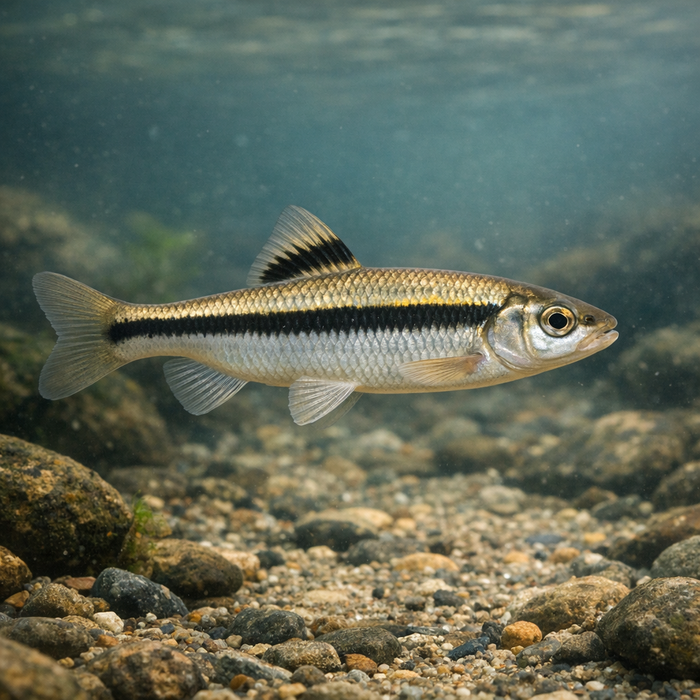
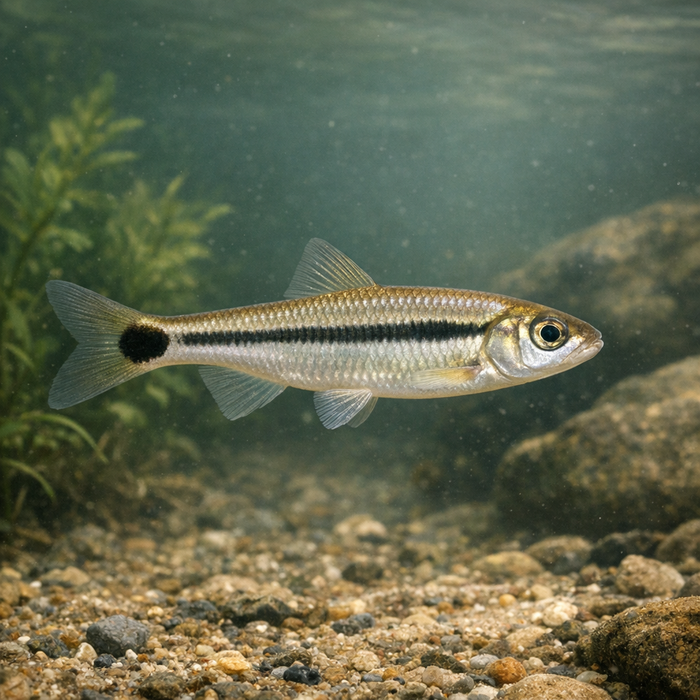
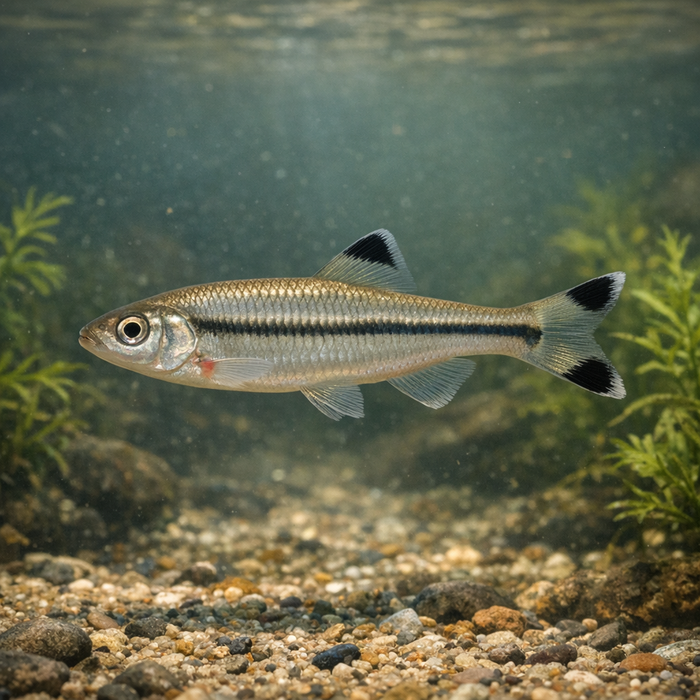
Ide (Leuciscus idus): A Bold, Memorable Hook LineIntroductionThe ide is a sleeper hit in the coarse world: bright flanks, quick surges, and a habit of suddenly crashing the surface like it owns the place. Part panfish vibes, part mini-predator attitude, it rewards anglers who like precise presentations without needing a graduate degree in tackle tinkering. If you're shopping for Ide facts or curious about Ide habitat, settle in. This one's more interesting than the name suggests.What Makes the Ide Unique?First, versatility. The ide can behave like a polite dace on insects one hour and a ruthless chaser of fry the next. Second, the flash. Those big, silvery scales and a cold-steel back make every bank-side photo pop. Third, the cult cousin: the golden orfe, an ornamental color morph that turned this humble cyprinid into a garden-pond celebrity. The ide brings a rare combo of visual flair and catchability without being a push-over.Habitat & Global RangeCall it a European original with Siberian stamina. The ide favors lowland rivers and broad lakes with moderate current and decent clarity, but it's not picky about a little stain. It often stages below weirs, bridge pools, and gentle bends, and it will slide into submerged weeds or wood if pressured. In spring, many populations run up small tributaries to spawn on clean gravel and vegetation. Some populations handle brackish edges, which is why you'll hear stories of fish near Baltic river mouths after big snowmelt pulses. From Northern and Central Europe across to western Siberia, the species has the range of a commuter with a discounted rail pass.Behavior & TemperamentIde are moody in the best way. On insects, they'll sip like trout, even dimpling dries during mayfly falls. When they switch to baitfish, it's ambush time, with tight shoals herding fry into the shallows. They roam a lot, but they also key on subtle current seams and depth breaks. Expect fast, shallow runs on the hookset and then a stubborn glide that tests light leaders. In summer evenings, surface commotion betrays a feeding window you don't want to miss. In winter, they stack deep, but they'll still pick off small offerings when the sun nudges temperatures up a notch.Ecological ImportanceThe ide sits comfortably in the middle of the food web, translating insect blooms into fish flesh and trimming young-of-year baitfish. That dual role stabilizes invertebrate booms and shapes recruitment of other small fish. Their spring runs move nutrients upstream, and their adhesive eggs cling to vegetation, turning plant beds into seasonal nurseries for more than just ide.Conservation & Environmental PressuresOverall, the ide is doing fine, but it reads water quality like a lie detector. Blocked tributaries can pinch spawning access, and silty runoff smothers eggs. Overly manicured banks remove the undercut and weed edges ide love. On the upside, river restoration and cleaner effluent have rebounded a lot of classic beats. Where the ide has been introduced, managers sometimes limit transfers to protect native assemblages. It's a reminder that even hardy fish deserve thoughtful stewardship.The FishyAF TakeIf you fish for feel as much as for size, the ide is your huckleberry. It brings trout-like finesse without the attitude, hits little spinners like a perch with a grudge, and still poses for photos like a chrome bar. Keep your approach nimble: follow the breeze, work the seams, and watch the surface for tells. The ide won't mail you a trophy every day, but it will hand out grins at a steady clip. And that, friends, is a species worth knowing by name.