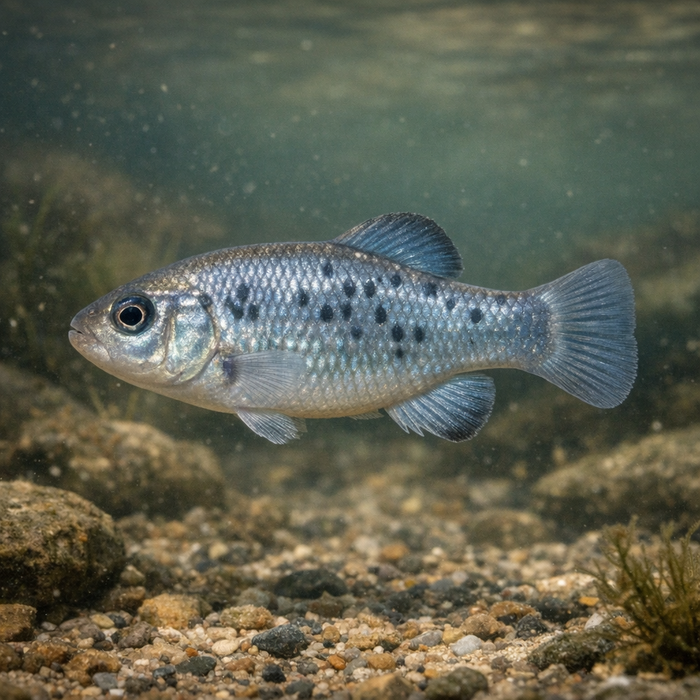
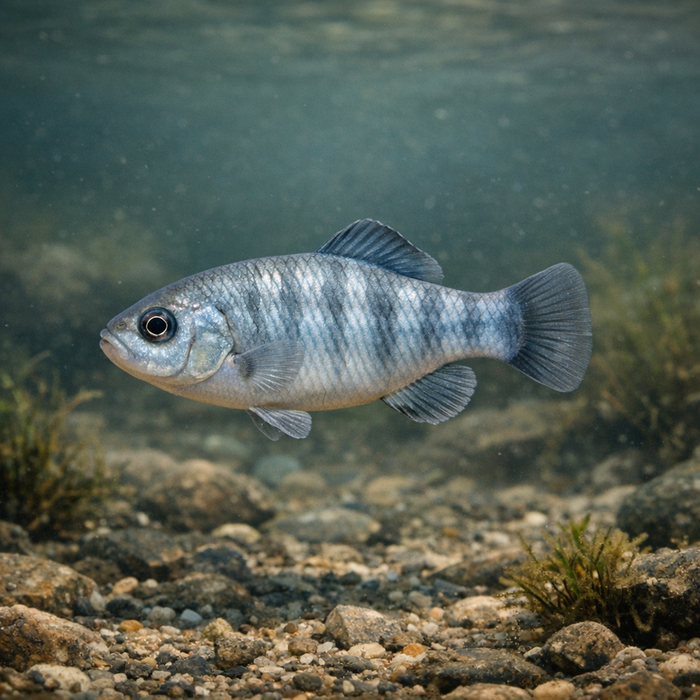
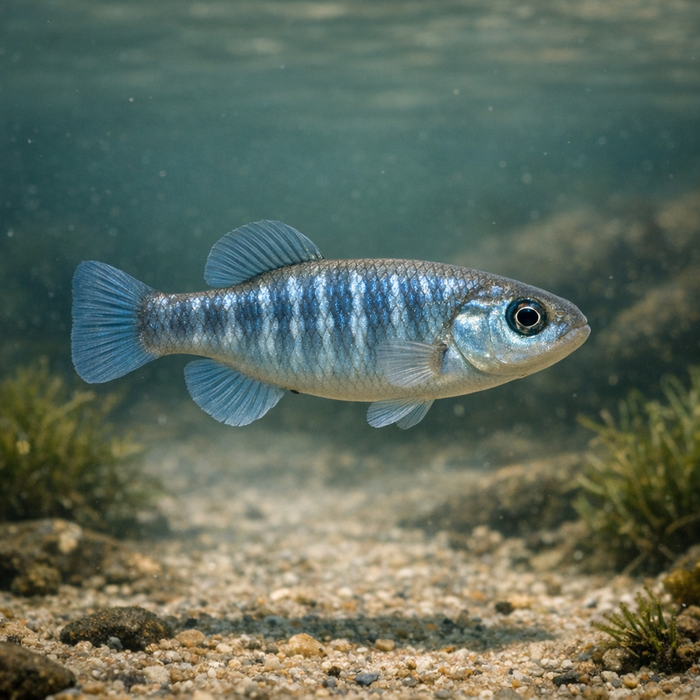
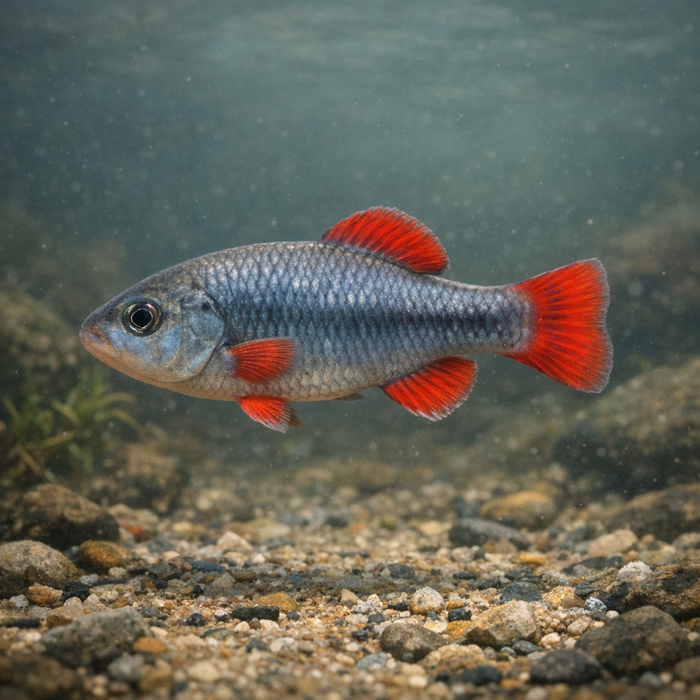
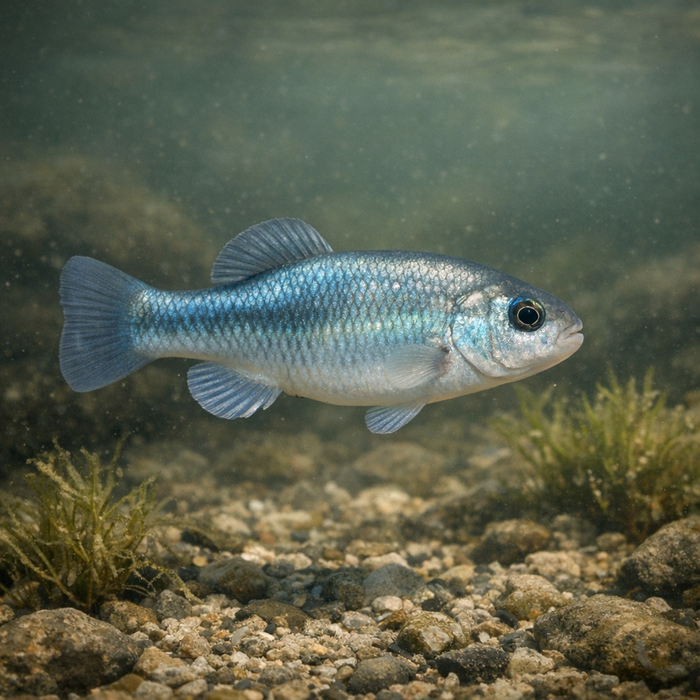
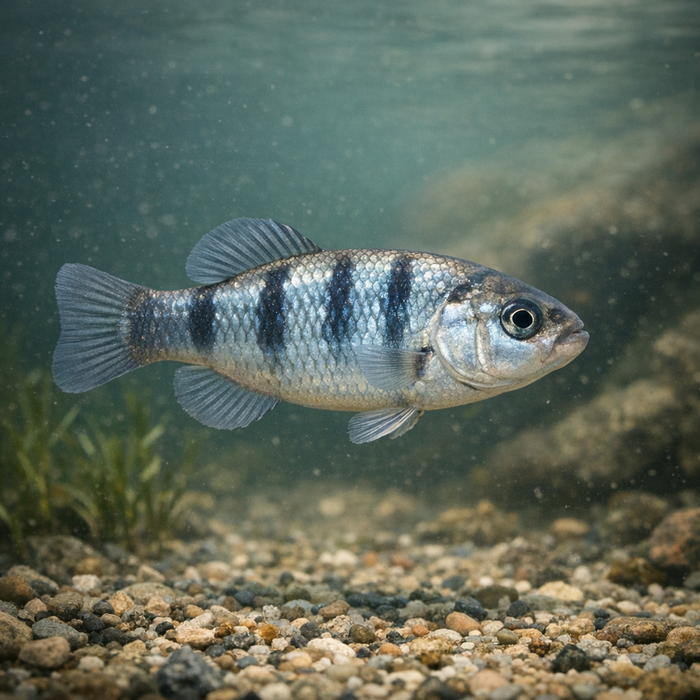
Lake Eustis minnow (Cyprinodon hubbsi): A Bold, Memorable Hook LineIntroductionIf your idea of excitement is pack-mule tarpon and burned drags, keep scrolling. The Lake Eustis minnow is the opposite: tiny, twitchy, and frustrating in the best possible way. This is a microfishing target hiding in plain sight along Florida weedlines, a fish that proves finesse beats force. Learn a few Lake Eustis minnow facts, and suddenly that quiet patch of shoreline turns into a scaled-down arena.What Makes the Lake Eustis minnow Unique?For starters, size. Most adults barely clear two inches, but they carry themselves like brawlers. Males carve out dinner-plate territories among stems and shell, flashing iridescence and body bars like they own the place. Second, stamina in heat. The Lake Eustis minnow keeps cruising in steamy shallows that sideline other species, hustling along when temperatures soar. Third, its toolkit is built for scraping life off plants and rocks. With rasping teeth and strong pharyngeal grinders, this fish can turn a weedy stem into a buffet. The end result is a specialized, hyperlocal operator that rewards a patient angler.Habitat & Global RangeThink Florida lakes with personality: shallow margins, thick vegetation, scattered shell, and pockets of calm water. The Lake Eustis minnow thrives in this mosaic. It isn't a pelagic rover. It's a shoreline specialist that treats ten feet of good habitat like prime real estate. Light current is fine; big flow is not required. While the name tips you off to the Lake Eustis neighborhood, you'll encounter similar setups in connected waters with the same recipe: warmth, weeds, and micro-invertebrate life. If you're scouting Lake Eustis minnow habitat, start with knee-deep weedbeds, edges of canals, and quiet corners where the sun soups the water.Behavior & TemperamentThe Lake Eustis minnow is a tactical opportunist. It patrols micro-edges, rises to sip tiny prey, then drops back into cover. Males defend tight spawning patches and get downright feisty with anything the same size or smaller. Schooling is loose: small groups coalesce, break, then reform. Dawn, dusk, and cloudy spells boost confidence and surface activity. Hooking one can be more surgery than battle; the fight is short, but the presentation puzzle is real. Detecting a pickup on a size-24 hook in a riff of wind demands focus.Ecological ImportanceCall it a littoral janitor. The Lake Eustis minnow scrapes algae, nips at biofilm, and cycles nutrients along the shoreline. Its eggs adhere to plants, and its fry shelter in the same jungle that feeds them. That tight loop keeps the weedy margins humming. It's a snack for bigger fish and a gauntlet for micro-invertebrates, linking energy from sunlight-slicked algae all the way up the ladder. You won't see it headlining a guide brochure, but remove this cog and the shoreline machine runs rough.Conservation & Environmental PressuresShoreline specialists live and die by inches. A new seawall, a weed-kill treatment, or a prop-chewed cove can erase fish-level neighborhoods overnight. Add fluctuating water levels and hot summers, and the Lake Eustis minnow is constantly renegotiating its lease. Regulations and statuses vary, and formal listings change as surveys update. The smart move is to fish gently, photograph quickly, and release fish in prime condition. Keep the weeds healthy and this species does the rest.The FishyAF TakeThe Lake Eustis minnow is proof that fishing skill isn't measured in pound-test alone. It's a microfishing masterclass: stealth, precision, and humility. Miss twice and it's probably your drift, not the fish. Nail the angle and the smallest take feels like a mic drop. For anglers who love solving patterns, the Lake Eustis minnow is sneaky-addictive. Shrink your game, slow your brain, and you'll start seeing a shoreline full of chances instead of just background. That's the real Lake Eustis minnow habitat: between the cattails and your attention span.