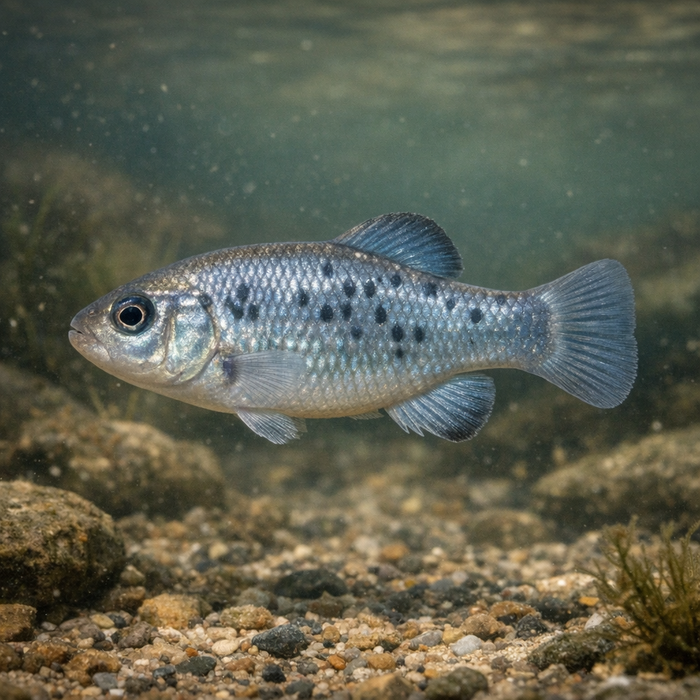
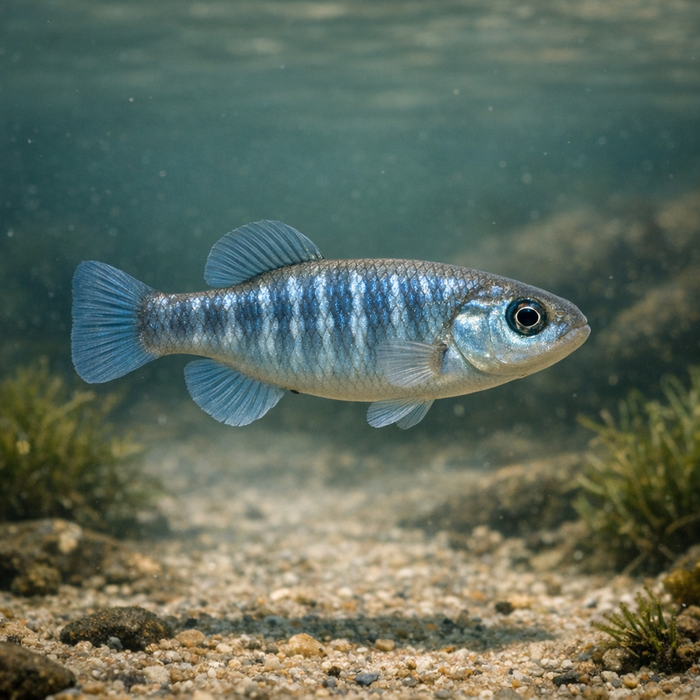
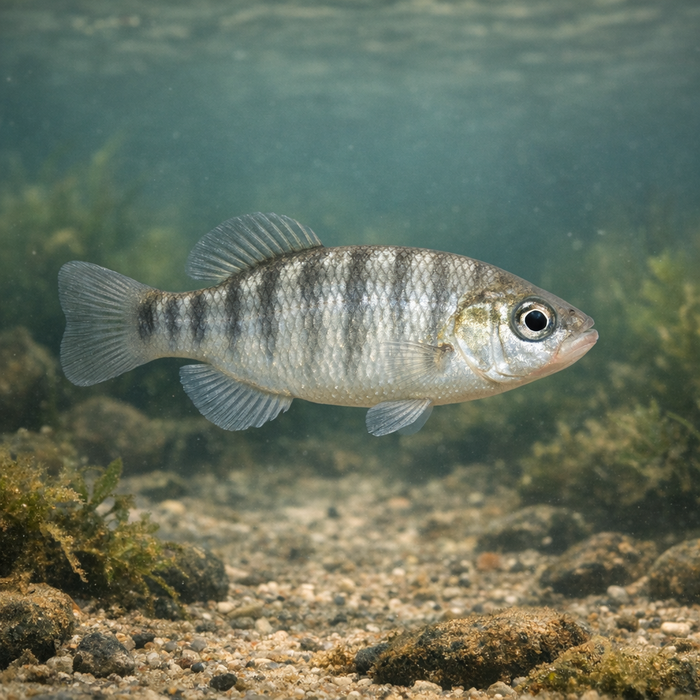
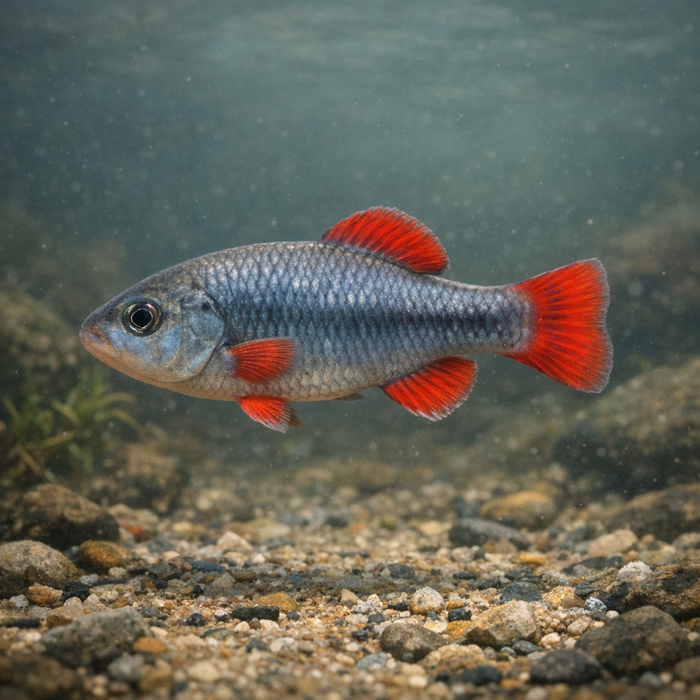
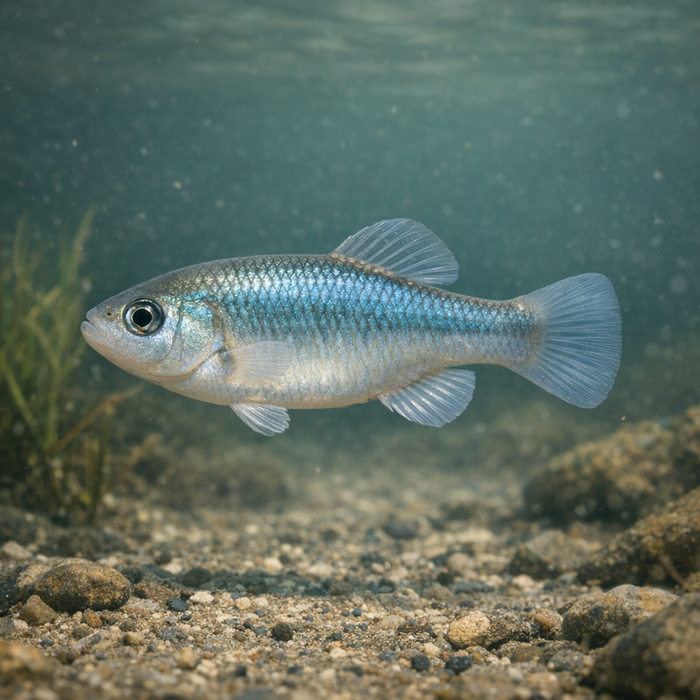
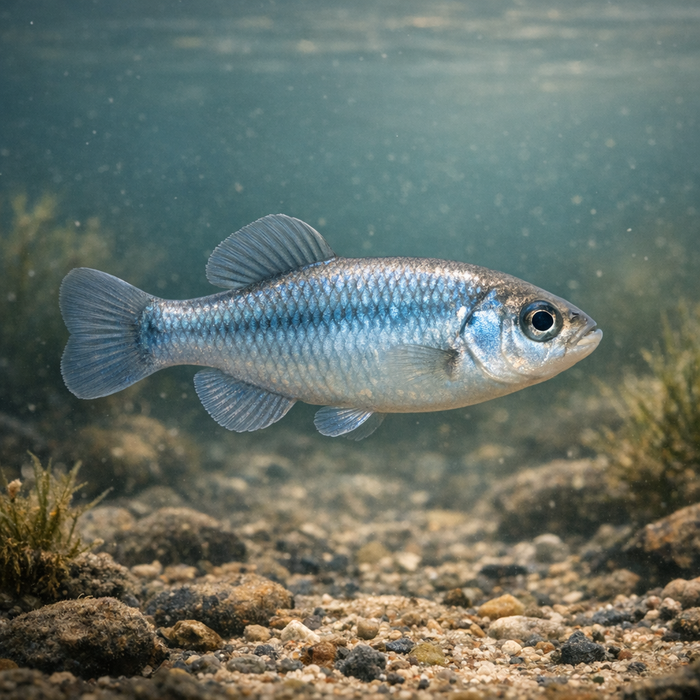
Sonoyta pupfish (cyprinodon eremus): Desert survivor, pocket-sized and tougher than a cactus boot.IntroductionMeet the Sonoyta pupfish, a micro-sized renegade clinging to life in brutally hot desert waters where most fish would bail. It's pint-sized, protected, and packed with attitude. You won't book a charter for this one, but if you care about weird, resilient fish and the stories they tell about water in the desert, the Sonoyta pupfish will hook your brain fast.What Makes the Sonoyta pupfish Unique?First, it's absurdly hardy. We're talking real-deal thermal tolerance and salinity swings that would wreck standard pond fish. Second, it sprints through life. The Sonoyta pupfish matures in months, not years, and can keep the spawn train rolling in warm conditions. Third, males turn electric-blue during breeding, then carve out tiny territories and defend them like they're guarding treasure chests. It's flashy, feisty, and way more dramatic than you'd expect from two inches of fish.Habitat & Global RangeThe Sonoyta pupfish habitat is as specialized as it gets: spring-fed ponds, outflows, and short desert creeks tied to the Rio Sonoyta basin along the Arizona-Sonora border. Think shallow, clear water, algae mats, and slow current with the occasional flash-flood reset. These aren't big, sprawling rivers; they're fragile oases stitched into arid landscapes. Populations blink in and out depending on spring flow, drought, and management, so presence is a delicate mix of hydrology and luck.Behavior & TemperamentDespite the cute name, the Sonoyta pupfish doesn't play small. Males posture, chase, and guard tight territories while females weave through algae beds picking at food and checking suitors. They're opportunistic feeders, working algae, biofilm, and tiny invertebrates. In heat that turns other fish into soup, Sonoyta pupfish keep cruising, often hugging the bottom or skirting vegetation where food and shelter overlap. Their daily rhythm flexes with temperature: warmer water means faster metabolisms and frequent short feeding bursts.Ecological ImportanceStrip away the romance and you've got a workhorse grazer keeping algae and biofilm in check, converting desert sunlight into fish flesh that supports a tiny food web. Lose the Sonoyta pupfish and those slim desert systems get wobblier. It's a poster child for what happens when a species holds a very specific job in a very small office. Protect the spring, protect the fish, and the whole micro-ecosystem hums a little steadier.Conservation & Environmental PressuresHere's the rough part. The Sonoyta pupfish is endangered. Springs are finite, drought is real, and pumping or habitat changes hit fast. Invasive species like mosquitofish or bullfrogs add pressure. Because the fish occupies tiny, isolated waters, a single bad year can punch way above its weight. Conservation is equal parts plumbing, patience, and predator control, with a lot of monitoring and anxiety baked in.The FishyAF TakeYou don't chase Sonoyta pupfish with a cooler; you chase perspective. It's living proof that fish can thrive where they absolutely shouldn't, given half a chance and a bit of clean flow. If your idea of a trophy is a story worth repeating, this fish delivers: a blue-suited bruiser doing donut-sized dominance displays in desert shallows. File this under "Sonoyta pupfish facts" you'll actually remember: tiny, tough, endangered, and a masterclass in survival chemistry. If you ever cross paths at a legal viewing spot, respect the barricades, keep your hands off, and root for more water. The win here isn't a grip-and-grin. It's knowing a desert spring still has a pulse-and a little blue spark patrolling the shallows.