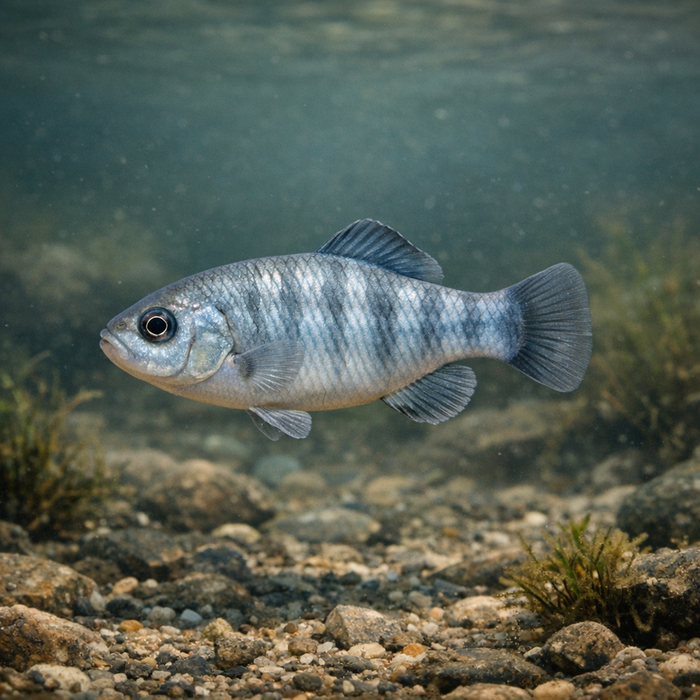
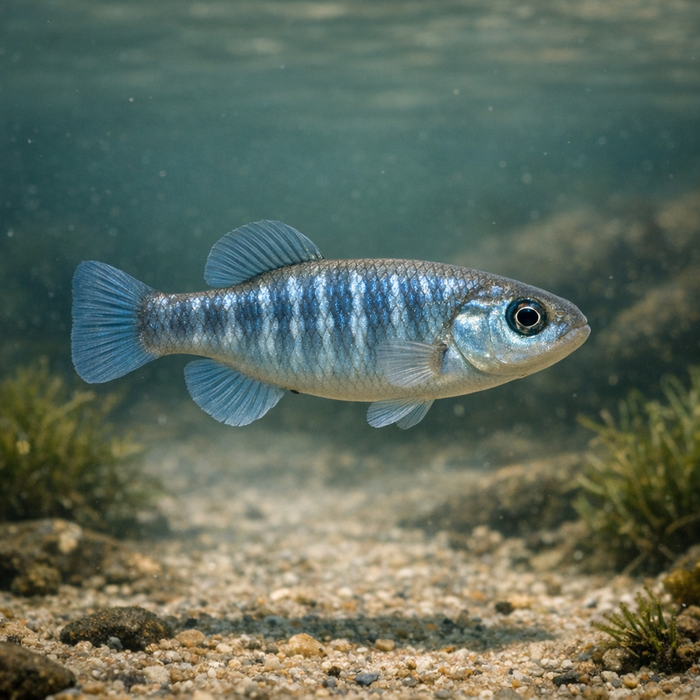
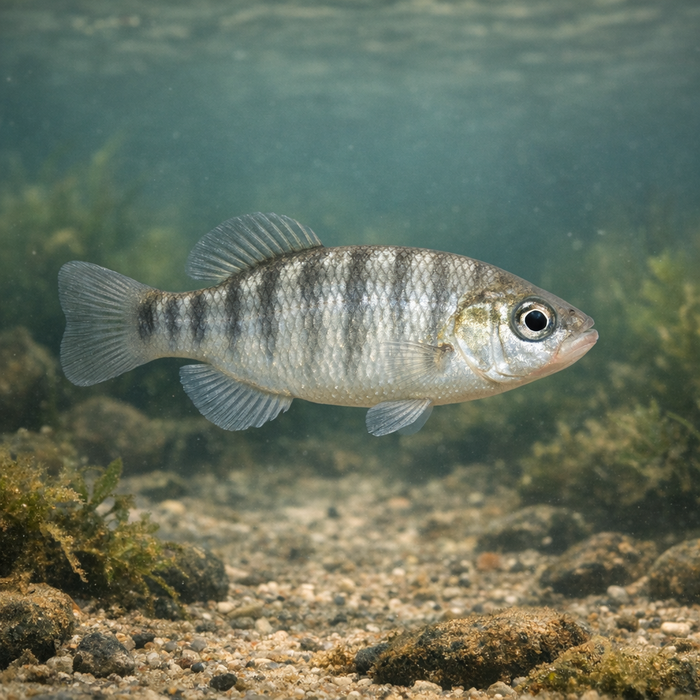
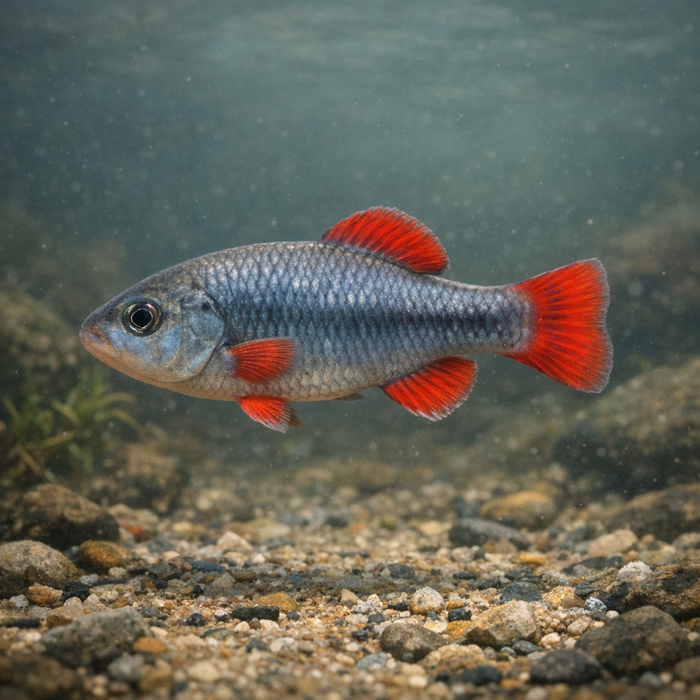
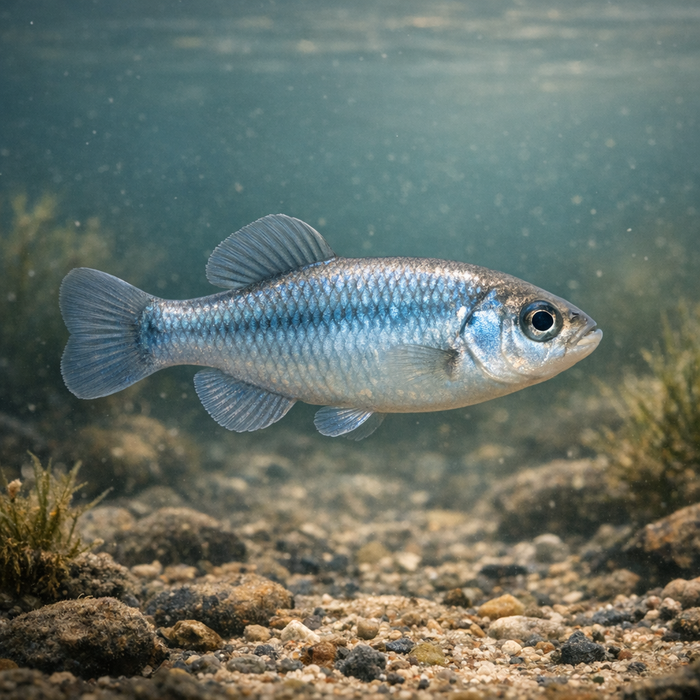
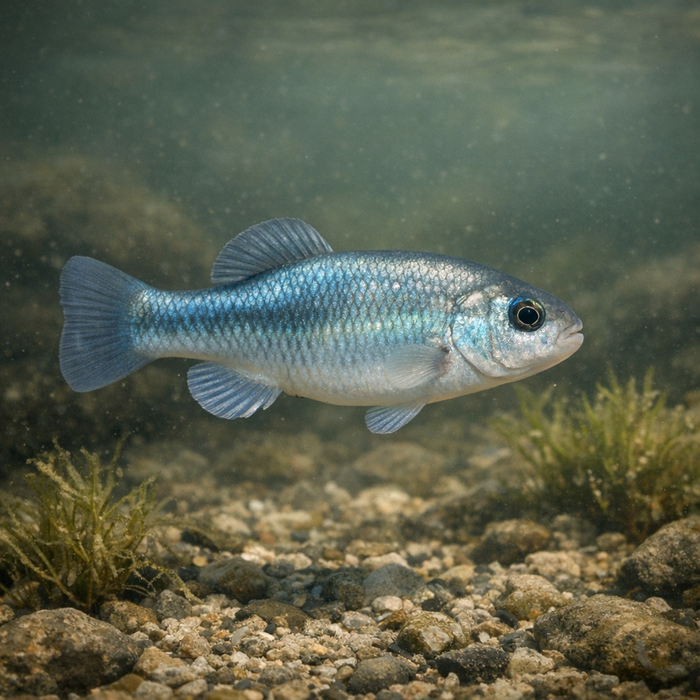
Desert Pupfish (Cyprinodon macularius): A Bold, Memorable Hook LineIntroductionThe desert doesn't cut slack, and neither does this fish. The Desert pupfish is a pocket-sized survivor that laughs at heat, shrugs at salt, and squeezes life out of puddles most fish would consider a crime scene. If you want Desert pupfish facts with some bite, you're in the right spot.What Makes the Desert pupfish Unique?Start with durability. The Desert pupfish operates in water hot enough to poach an egg and salty enough to crystalize your gear. Yet it keeps feeding, spawning, and throwing shade at anything that invades its palm-sized turf. Then there's the attitude. Males light up sky-blue during breeding and guard micro-territories with bully energy. Add an omnivore's diet and you get a fish that can pivot from scraping algae to nabbing a drifting invertebrate without blinking.Habitat & Global RangeDesert pupfish habitat reads like a dare: spring-fed pools, sloughs, marshes, and sluggish desert drains. They haunt the lower Colorado River basin and the Salton Sink region, with cross-border pockets in the Colorado River delta of Mexico. Shallow, sunlit, and often mucky water is the backdrop. Think inches to a couple of feet deep, modest current if any, and abundant aquatic vegetation or crusty substrates to graze. When you picture a textbook aquarium, flip it-this is gritty desert life support, not a mountain stream.Behavior & TemperamentDespite their size, these fish come with big personalities. Males carve out tiny territories, flashing that cobalt suit, herding females, and checking rivals with body pushes. They feed opportunistically, raking algae and biofilm while snatching small invertebrates that drift too close. Activity ramps in warm water and generous light, often right at the edges where reeds and mats create a break from exposure. They're not migratory in the grand sense, but they do shuffle around micro-habitats with changing water levels and salinity.Ecological ImportanceThe Desert pupfish is a desert keystone in miniature. It recycles nutrients, keeps algal growth in line, and shuttles energy up the food chain to birds and larger predators. Healthy pupfish populations signal that small, fragile wetlands are still pulsing-no small feat in a thirsty landscape. This fish is also a bellwether for Desert pupfish habitat quality. Lose the shallow, warm, weedy backwaters and you lose the pupfish, plus a lot of other critters that rely on the same weird-water niche.Conservation & Environmental PressuresHere's the hard truth: the Desert pupfish is endangered. Groundwater pumping, channelization, invasive species, and salinity swings can shred these micro-ecosystems quickly. Invasive mosquitofish and tilapia harass or outcompete pupfish. Habitat fragmentation isolates small groups until they wink out. Agencies and partners maintain refuges, build off-channel ponds, and manage flows to keep viable populations on both sides of the border. It's gritty, hands-on conservation, because these fish don't have spare habitat lying around.The FishyAF TakeThe Desert pupfish is proof that "tough" doesn't have to be big. It's a heat-proof, salt-tolerant scrapper that defines desert resilience. Respect the rules, keep your hands off unless you're permitted, and enjoy the show when you stumble upon a cobalt male patrolling a puddle. If you're chasing Desert pupfish facts, here's ours: protecting a few inches of shallow, funky water can save an entire species. That's brutal and beautiful-very desert, very pupfish.