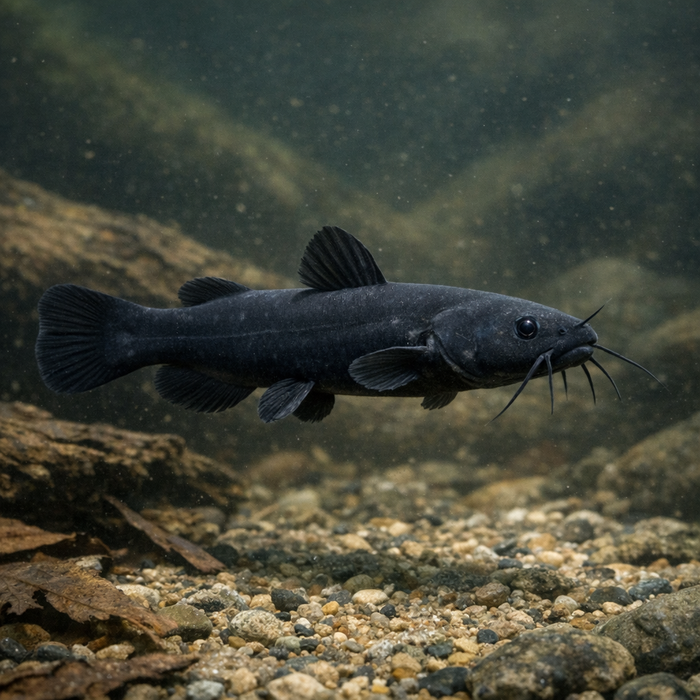
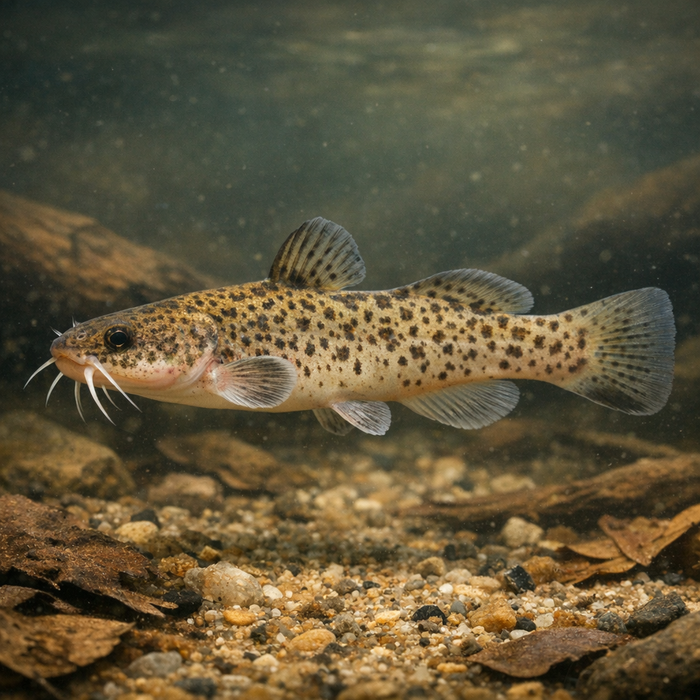
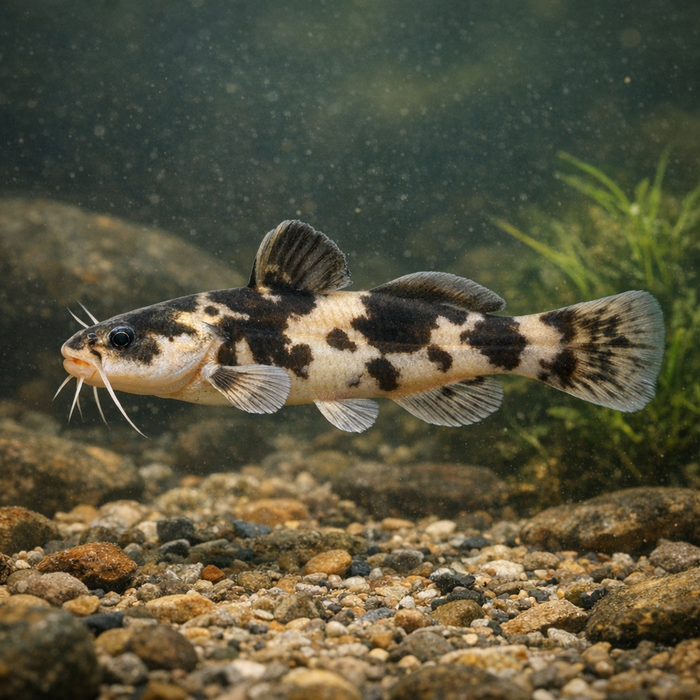
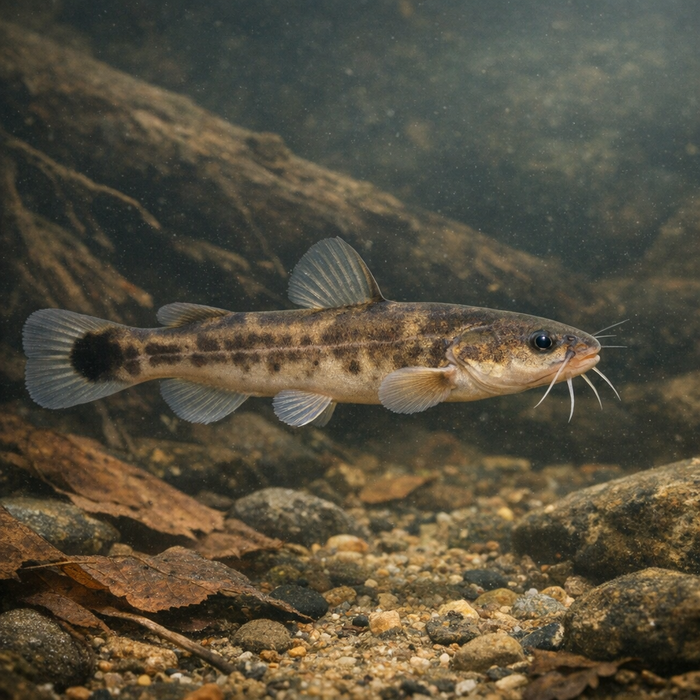
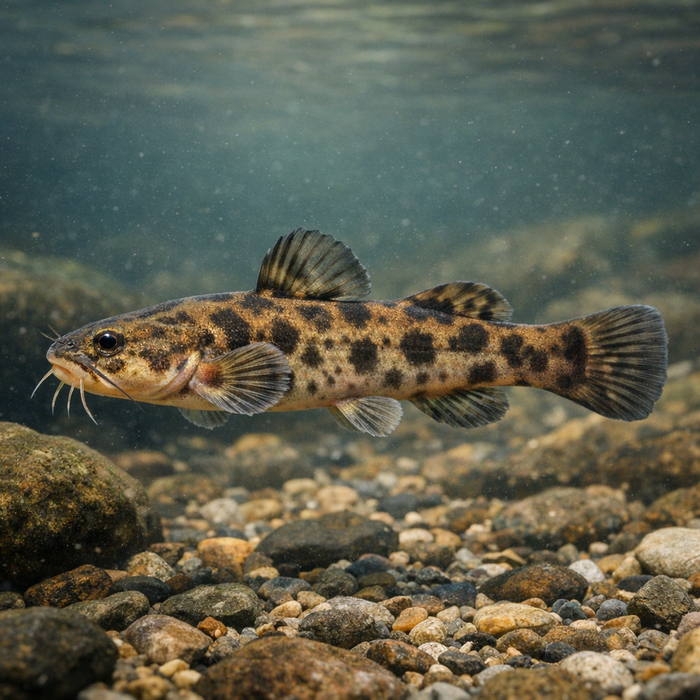
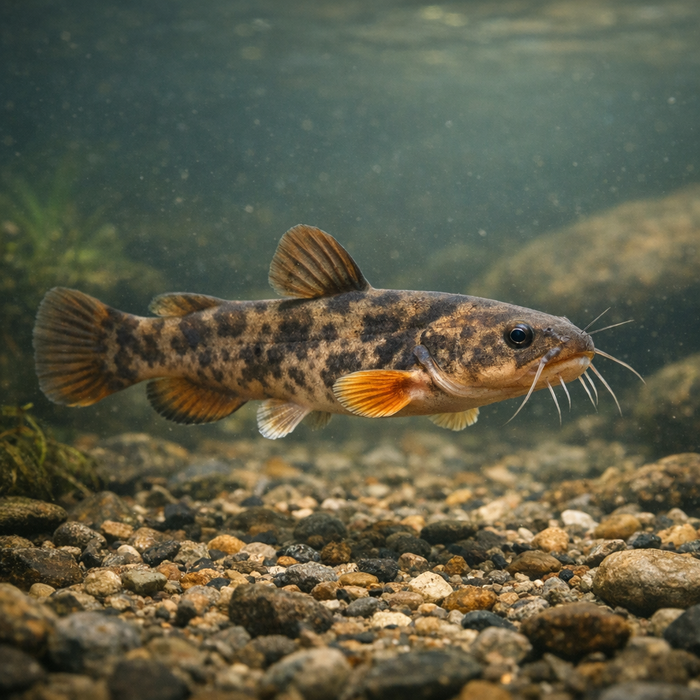
Least Madtom (Noturus hildebrandi): A Bold, Memorable Hook LineIntroductionMeet the least madtom, the pocket-sized catfish that proves tiny doesn't mean timid. This leaf-loving micro predator uses shadow, camouflage, and sneaky patience to eat well and avoid everything that wants to eat it. If your idea of a challenge is punching braid into milfoil for big bass, the least madtom will scramble your brain. Think surgeon's hands, sewing-needle hooks, and the patience to watch a leaf pile come to life. Consider this your crash course in least madtom facts and the quiet art of small-water sleuthing.What Makes the Least Madtom Unique?Two things jump out immediately. First, size. Adult least madtom commonly measure 1.5 to 2.5 inches, making this one of North America's smallest catfish. Second, hardware. Like other madtoms, it carries mildly venomous pectoral spines that can deliver a nettle-like sting. Add a low, continuous adipose fin and dark saddle bars across a tan body, and you've got a fish built for the understory of creeks. Everything about the least madtom screams specialization: tiny mouth, low profile, and a knack for disappearing under a single curled sycamore leaf.Habitat & Global RangeWhen anglers ask about least madtom habitat, here's the thumbnail: shallow, low-gradient creeks and small rivers with sand or fine gravel, scattered wood, and thick leaf litter. These are often coastal plain or bottomland systems with gentle current and plenty of detritus. The fish tucks into cover during daylight, then creeps out at night to work the buffet line of drifting insects and larvae. The range is limited to portions of the southeastern United States, often in tributaries tied to the lower Mississippi River basin. In short, the least madtom prefers intimate water where a single treefall can feel like a reef and a shovel-full of leaves is basically a neighborhood.Behavior & TemperamentStealth and economy define this fish. The least madtom doesn't cruise much; it shuffles. Movements are short and decisive, usually along the bottom, often between micro-eddies only a few feet apart. It is primarily nocturnal, with a serious uptick in activity after dusk and following small rains that stir insect drift. Breeding adds a bit of drama. Males darken, secure a nook under wood or debris, and guard a small clutch of amber eggs like their lives depend on it. They kind of do. This is not a schooling fish; at most, you'll see neighbors using the same leaf pile condo complex.Ecological ImportanceThe least madtom is a bite-sized predator that punches above its weight in the food web. It trims back insect populations, recycles energy from detritus-based systems, and feeds a long list of bigger fish and creek hunters when it slips up. Because it leans on cleanish, structured small streams, the species also functions as a micro-signal of habitat quality. Lose the leaf packs, simplify the channel, bury the sand in silt, and you'll lose the least madtom and everything it supports.Conservation & Environmental PressuresWhile not the poster child for national conservation campaigns, the least madtom still faces the usual suspects: sedimentation from poor land use, removal of woody debris, flashier runoff that scrubs leaf packs, and isolated populations vulnerable to drought. Its limited distribution magnifies local problems. In many places, the fish persists thanks to overlooked slivers of habitat that dodge the bulldozer and the ditcher. Keeping the leaf layer, maintaining natural flow, and letting streams keep their mess is the ticket.The FishyAF TakeThe least madtom is the anti-hero of catfishing. No drags screaming, no rod doubles. Instead, it's a masterclass in paying attention. If you want loud, pick another fish. If you want to sharpen your presentation and learn how creeks actually move energy, this little cat is your professor. It makes you slow down, fish inches not yards, and rethink what a "bite" feels like. The least madtom won't fill a cooler or your social feed, but it will absolutely level up your water-reading skills. And that pays off everywhere else you fish.