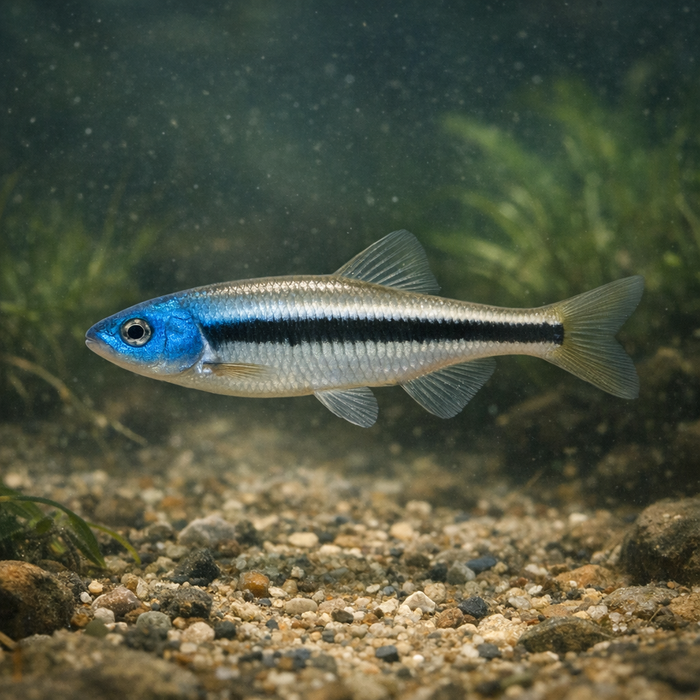
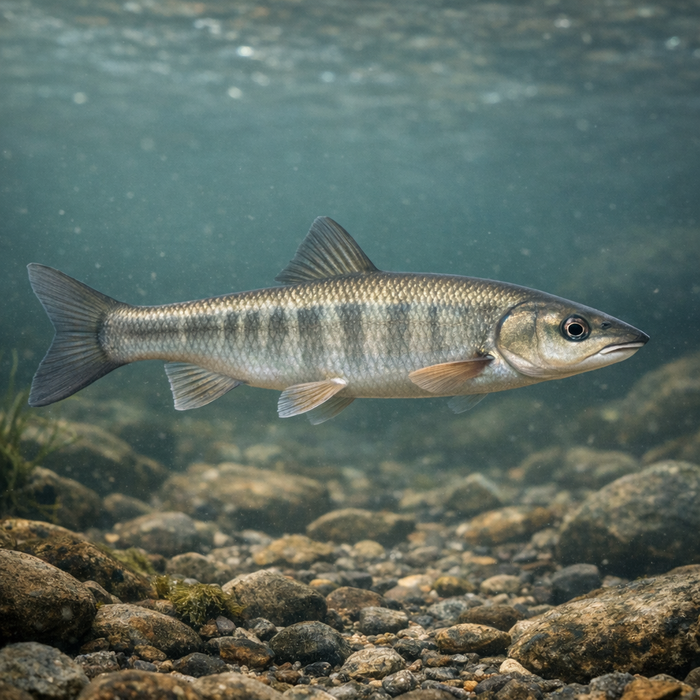
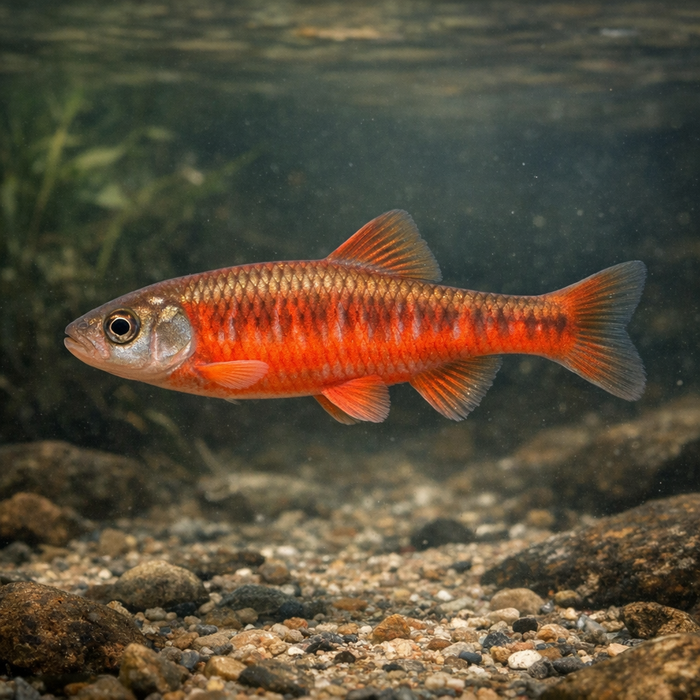
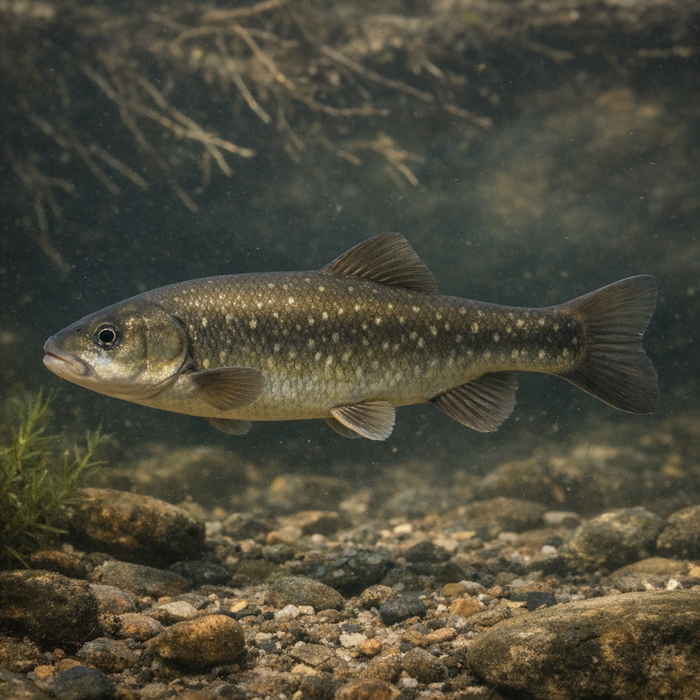
Manantial Roundnose Minnow (Dionda argentosa): The spring-run specialist that turns stealth and finesse into an art formIntroductionThe Manantial roundnose minnow is proof that small doesn't mean simple. In water so clear you can count scales, this tiny cyprinid forces anglers to slow down, fine-tune, and actually read the current. If you're here for big bent rods, keep walking. If you're into precision microfishing, rare spring ecosystems, and bragging about fish measured in inches, the Manantial roundnose minnow is your kind of weird.What Makes the Manantial roundnose minnow Unique?First, extreme specialization. The Manantial roundnose minnow spends life in spring-fed creeks with constant flow, stable temperatures, and limestone bottoms polished like glass. It's built for that job: a blunt, rounded snout and subterminal mouth that graze algae and biofilm off rock like a tiny mower. Second, the scale of its world. Some populations occupy shockingly short reaches, making precision habitat as important as the fish itself. Finally, this is a schooling species that spooks fast then resets even faster, so your presentation window is short, tight, and honest.Habitat & Global RangeWhen people search for Manantial roundnose minnow habitat, they're looking for a very specific scene: spring water pouring from karst, channeling through clean gravel, and threading along submerged grass beds. Think shallow, sunlit runs with a steady push of current and a handful of calm pockets below travertine ledges. The species is tied to spring complexes in the greater Rio Grande drainage across parts of Texas and northern Mexico. That's a narrow map, and it's the reason microfishing for this minnow is more road trip than day trip.Behavior & TemperamentThe Manantial roundnose minnow schools, cruises, and nibbles. It's not aggressive, but it is busy. Fish drift along seams where flow concentrates food, then ping-pong back to the head of the run. Spook them with a shadow and they'll scatter, regroup, and resume grazing within minutes. They pick at surfaces more than they chase drifting prey, which means your offering needs to sit right where their noses work: inches above rock, next to grass, or on the slack side of a ripple.Ecological ImportanceThis is a grazer in a crystal box. By cropping algae and biofilm, the Manantial roundnose minnow keeps spring substrates clean, supports nutrient cycling, and frees up space for invertebrates that everything else eats. Schools provide energy transfer to predators while never overrunning the joint, thanks to steady spring flows that cap productivity. You want a healthy spring? You want a healthy grazer. That's why Manantial roundnose minnow facts always circle back to water quality and constant flow.Conservation & Environmental PressuresSpecialists win until conditions change. Pump too much groundwater, dam or divert the run, let silt coat the rocks, and this fish loses the only stage it plays on. Many springs also sit on private land or in protected areas, making casual access tricky and sometimes illegal. That's not gatekeeping; that's how fragile these places are. The Manantial roundnose minnow won't migrate to a muddy canal and figure it out. Habitat integrity and steady discharge are everything.The FishyAF TakeThe Manantial roundnose minnow isn't about muscle; it's about mastery. You creep, you observe, you place a micro offering where a tiny nose already points. Miss the seam and you're ignored. Nail it and you watch a school of glittering commas tilt and sip. For anglers who value precision over power, this fish is a minimalist's dream. Learn the spring, respect the rules, and flex your finesse. You'll come for the novelty and stay because few species make you sharper, calmer, and more aware than Dionda argentosa.