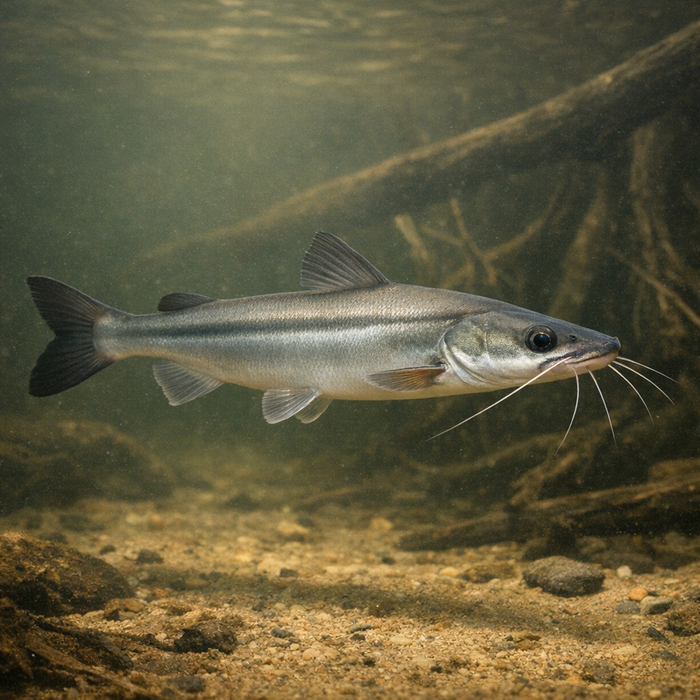
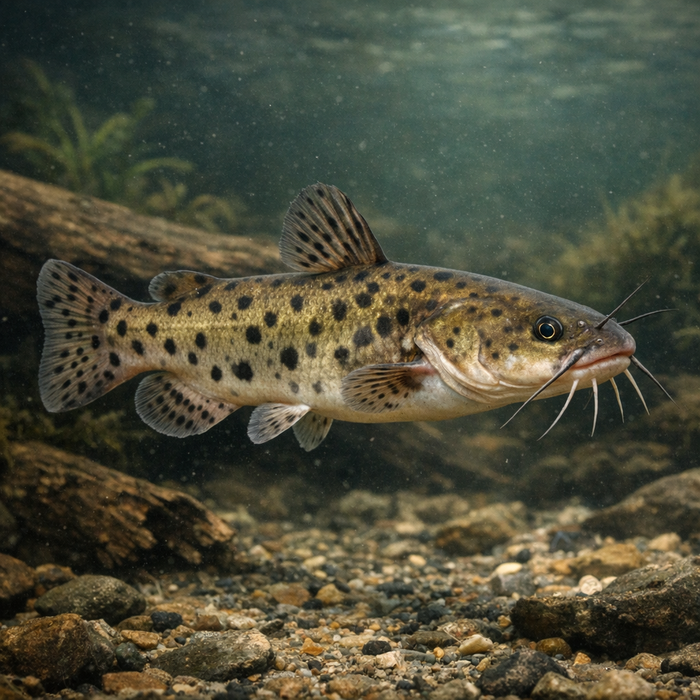
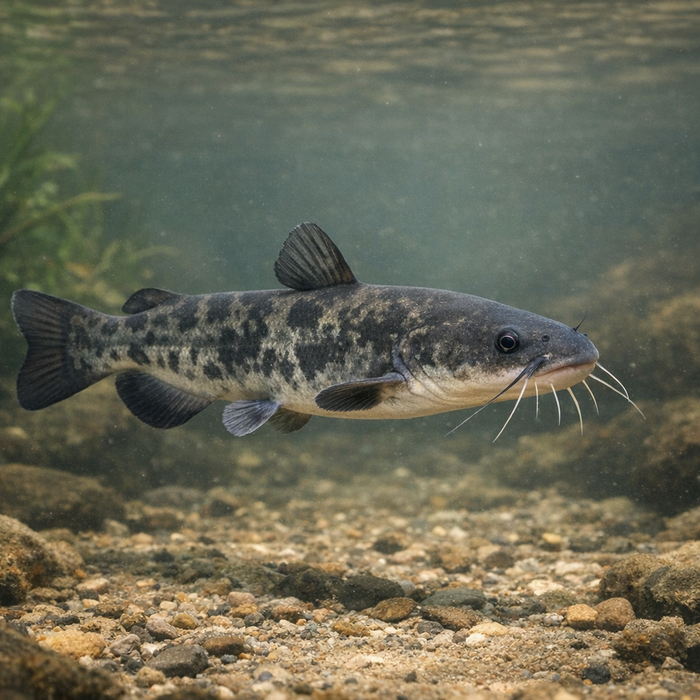
Manduba (Ageneiosus inermis): A Bold, Memorable Hook LineIntroductionThe Manduba isn't your granddad's whiskered bottom-grubber. This South American driftwood catfish cuts through big tropical rivers like a sleek torpedo, then shows up in somebody's stewpot by sundown. It's a legit predator, regionally beloved, and sneakily sporty. If you want a crash course in Amazon hustle, chasing a Manduba will give you a river-level education without requiring a museum exhibit worth of gear.What Makes the Manduba Unique?Start with the head. Broad and duckbill-flat, it snaps up baitfish with fine, rasping teeth built for grip, not glamour. Unlike many catfish that root and fuss along the bottom, adult Manduba often cruise midwater, especially after dark, hunting with purpose. Then there's the breeding weirdness: males develop a bony snout spur and hooked fin structures, and the species uses internal insemination. For anglers, that translates to populations synced with flood cycles and strong year-classes following big-water booms. Manduba facts rarely mention it, but they grunt audibly by rubbing their spines, a creaky soundtrack you sometimes hear boat-side.Habitat & Global RangeManduba habitat is the realm of large tropical rivers and floodplains across the Amazon, Orinoco, and Guianas. Think sweeping channels, deep outside bends, root-woven banks, confluences, and floodplain lakes. Rising water pushes fish into drowned forests and backwaters; falling water concentrates them into main flows, where predators can be wonderfully predictable. They tolerate stained to chocolate water, handle strong current, and use structure more as an ambush enhancer than a requirement. If the river has baitfish traffic and a defined current seam, it's worth a look.Behavior & TemperamentThe Manduba's game plan is simple: hunt when light is low, burn energy where current delivers food, and avoid wasting time. Dusk, night, and dawn matter. These catfish aren't shy about a meaty offering and will track scent lines confidently. The fight is trench-style. Expect a thumping first surge, then stubborn bulldogging punctuated by head shakes and short runs. They rarely jump, but their pectoral spines can wreak havoc on nets and fingers if you get sloppy. Singles and loose pairs are more common than big schools; when bait is stacked, small clusters happen, but it's not sardine chaos.Ecological ImportanceManduba smooth out the flood pulse buffet by converting forage fish into growable protein. They pressure abundant characins, help trim weak individuals, and feed a ton of people in river communities. Their mid-level predator slot keeps energy moving up and down the chain. When forested floodplains connect to main rivers, Manduba are a poster child for how seasonal access to habitat creates strong cohorts and fat, healthy fish.Conservation & Environmental PressuresThe species is regionally common, but that's not a free pass. Overharvest can happen around towns, and habitat pressure is real. Dams, deforestation, and channelization scramble the flood pulse and disconnect side habitats that build Manduba biomass. Water quality also matters; sediment and contaminants can bottleneck forage, which bottlenecks predators. Formal conservation status may be fuzzy, but the fish absolutely telegraph river health. Protect the floodplain, and you protect your dinner.The FishyAF TakeThe Manduba is catfish for anglers who like movement and timing. It rewards reading current, understanding seasonal water levels, and putting good bait where the river squeezes. It's accessible without being boring, tasty without being fragile, and tough without being a gear arms race. Fish the edges of chaos, plan around the river's pulse, and respect those spines. Do that, and the Manduba will make you look smart in a place where the river is always the boss.