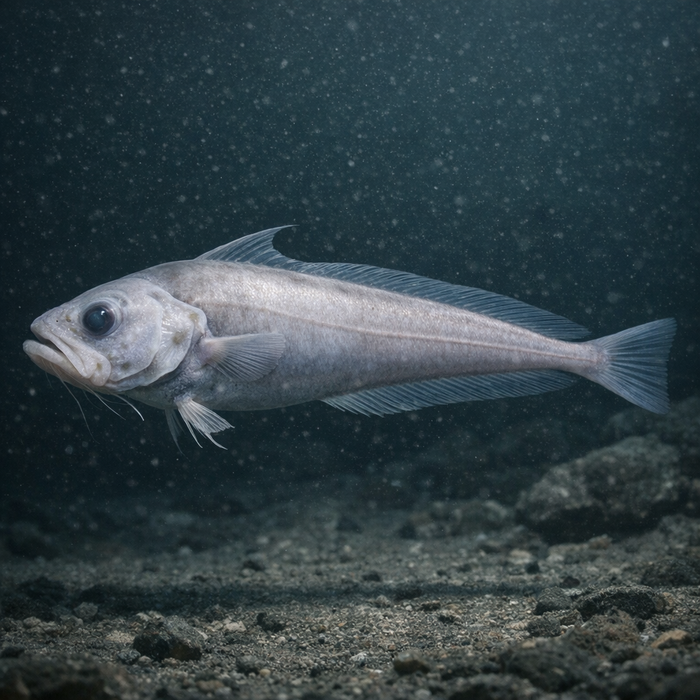
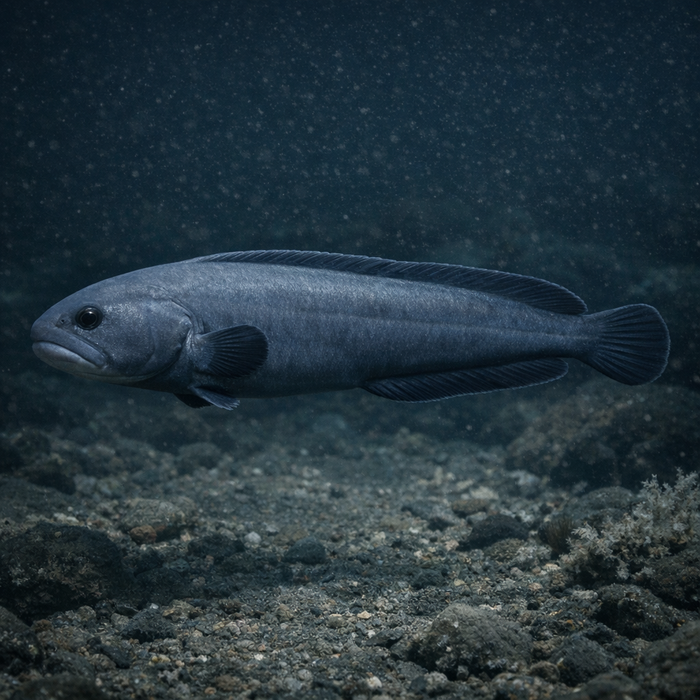
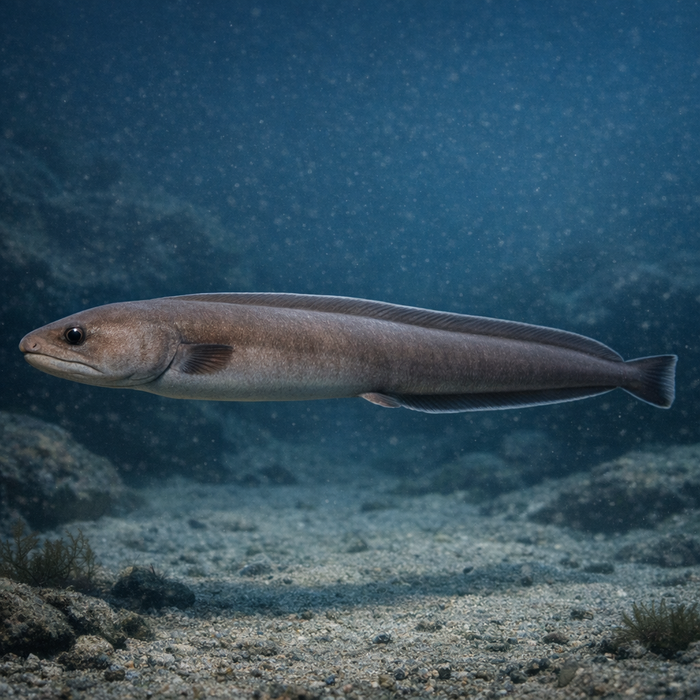
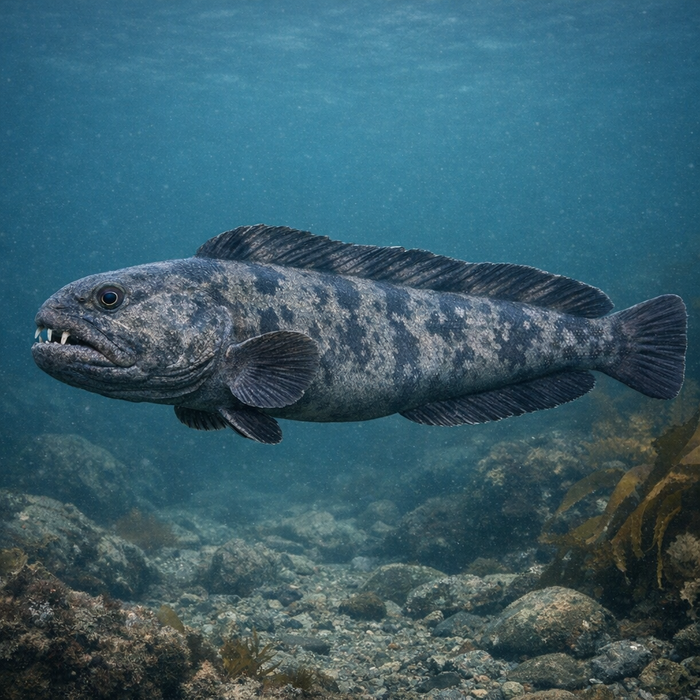
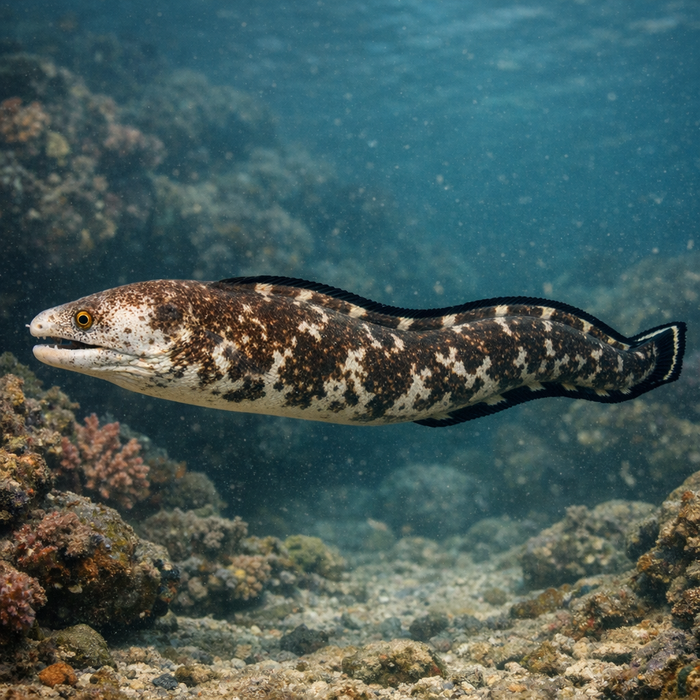
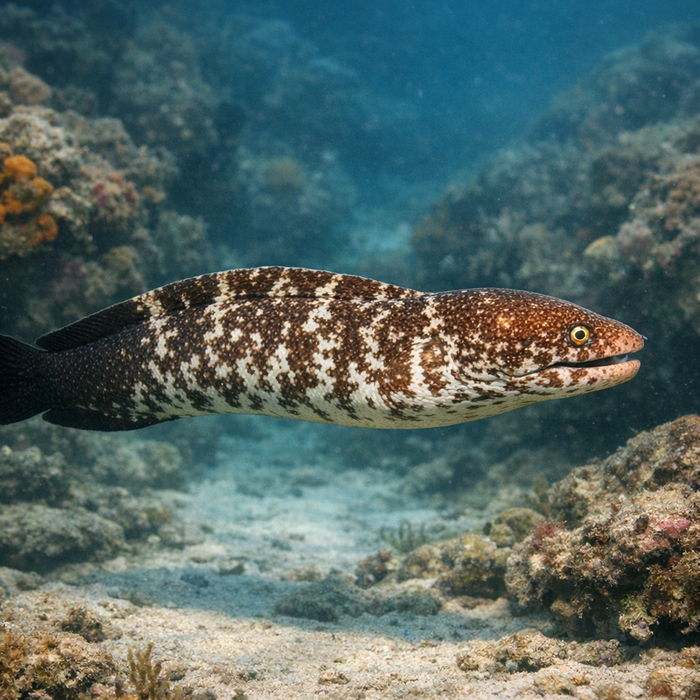
Narrownecked Oceanic Eel (Derichthys serpentinus): A deep-sea oddball built like a shoelace with teeth.IntroductionThe narrownecked oceanic eel is the kind of fish that makes ROV pilots do a double take. Long, skinny, and pinched behind the head like someone cinched a zip-tie, this midwater wanderer haunts the twilight and dark zones far offshore. You won't sight-fish it from a pier. You probably won't ever see it at all unless you're deep-dropping, sifting research trawl bycatch, or glued to submersible footage. Still, the narrownecked oceanic eel has big-time intrigue: it's globally widespread, eerily elegant, and soaked in deep-sea mystery. If you're here for narrownecked oceanic eel facts, you're in the right trench.What Makes the Narrownecked oceanic eel Unique?Start with the build. The narrownecked oceanic eel looks like someone stretched the gill region on purpose. That exaggerated "neck" transitions into a whiplike body that bends and coils with ballerina grace. It's also the only member of its genus, which is a nice flex in the fish world. Throw in big, light-sensitive eyes and a mouth tuned for quick suction snips, and you've got a specialist for life where daylight dies. It's not built to brawl like a tuna; it's built to ghost through the gloom and pick off small, soft-bodied prey with minimal effort.Habitat & Global RangeThink deep: the narrownecked oceanic eel habitat is the offshore water column and upper slope zones of major oceans. It roams the mesopelagic and deeper, well past the reach of sunlight and weekend charter chatter. Canyons, seamount flanks, and continental slopes serve as highways and pit stops. Ocean currents and productivity pulses likely shape where it lingers, and some individuals probably rise higher in the water column after dark. You can stumble into one during deep-drop missions over canyon heads, or see it logged in research surveys from the Atlantic, Pacific, and Indian basins. It's a citizen of the big blue in a very literal sense.Behavior & TemperamentSubtle is the game. The narrownecked oceanic eel isn't charging baitballs on the surface or bullying structure. It cruises. It coils. It waits for the right morsel to drift within striking distance, then snaps. The body plan screams efficiency over distance. Many midwater hunters time feeding to low-light windows, and this eel fits that playbook, likely nudging shallower at night and settling deeper by day. Hooked fish rarely rip drag for minutes on end; the fight is more odd leverage and long-limb writhing than slugfest. The challenge comes from simply reaching its neighborhood and presenting a bait that looks natural in almost no light.Ecological ImportanceIn the dark ocean, little energy goes to waste. The narrownecked oceanic eel likely helps connect surface productivity with deeper predators by converting small gelatinous critters and micro-crustaceans into eel biomass that larger hunters can use. Its leptocephalus larvae drift in the plankton for months, riding currents like tiny glass kites, then metamorphose into juveniles that can exploit deeper layers. This life cycle stitches together layers of the ocean that don't often meet, passing nutrients from light-kissed zones down into the abyssal economy.Conservation & Environmental PressuresYou won't see targeted fisheries for this eel, which is good news. The not-so-good news is that deep trawling, seamount exploitation, and general deep-sea industrial sprawl can still grab it as bycatch or chip away at its neighborhood. Add warming and changing oxygen levels, and the midwater layers shift beneath it like moving goalposts. Formal assessments are sparse because sampling the deep sea is expensive and slow. In short, it's probably common in places, but the data trail is thin and scattered.The FishyAF TakeThe narrownecked oceanic eel is peak deep-sea vibe. It's not a grip-and-grin hero; it's a riddle with a lateral line. As a target, it's a lottery ticket for patient deep-droppers who enjoy the weird. As a creature, it's a quiet reminder that the ocean's middle floors are stacked with life that doesn't care about our boats or brag boards. If you're compiling narrownecked oceanic eel facts for your next late-night fish-nerd debate, file this under elegantly bizarre, technically catchable, and rarely encountered. Respect the depth tax, bring the lights and squid strips, and don't be shocked if the most interesting thing on the sonar looks like a ribbon with eyes. That's showtime for Derichthys serpentinus.