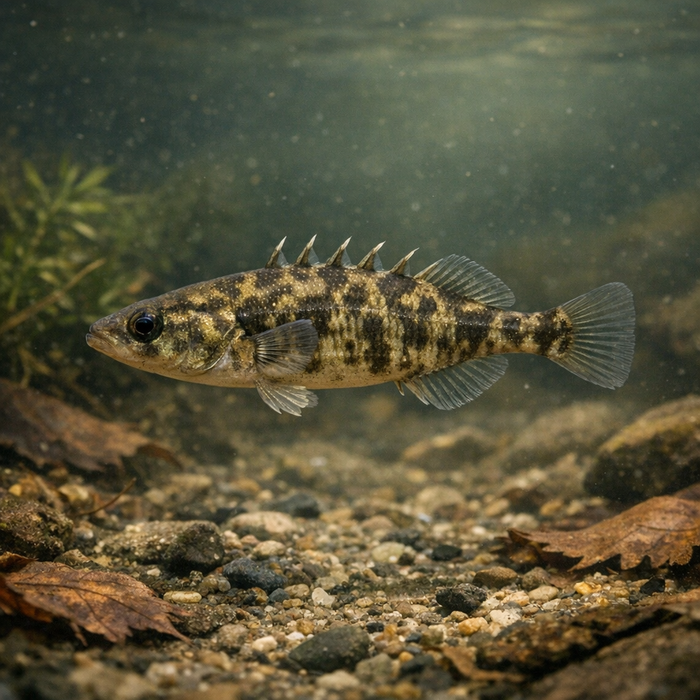
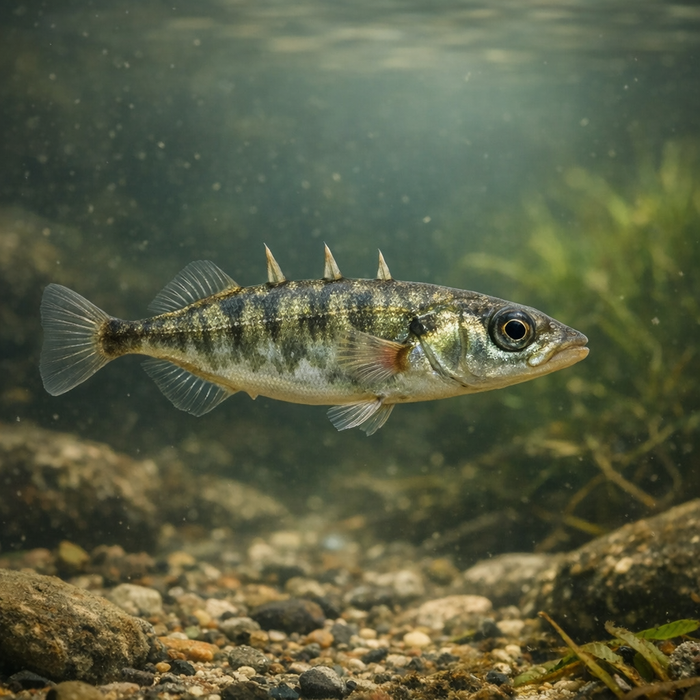
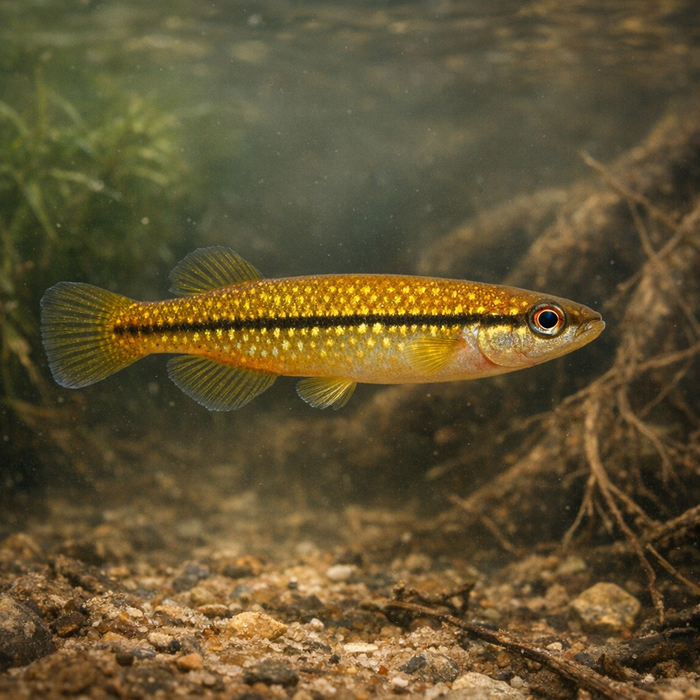
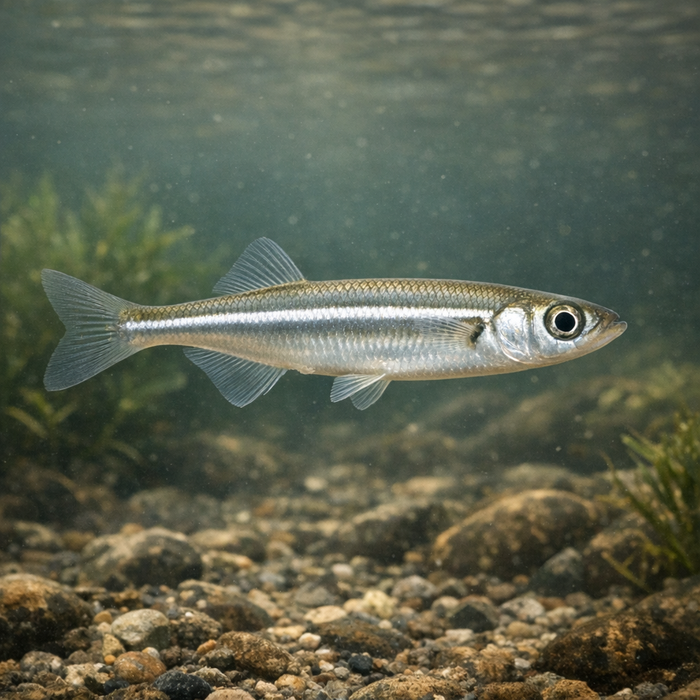
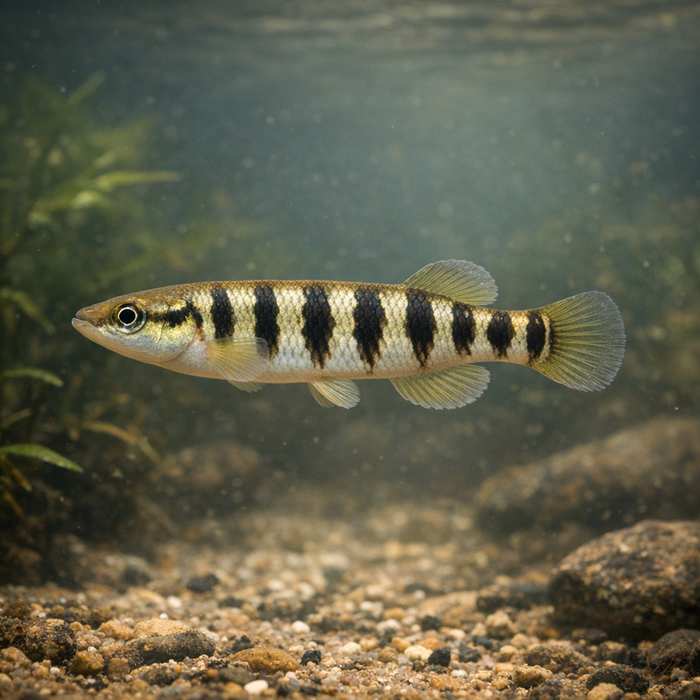
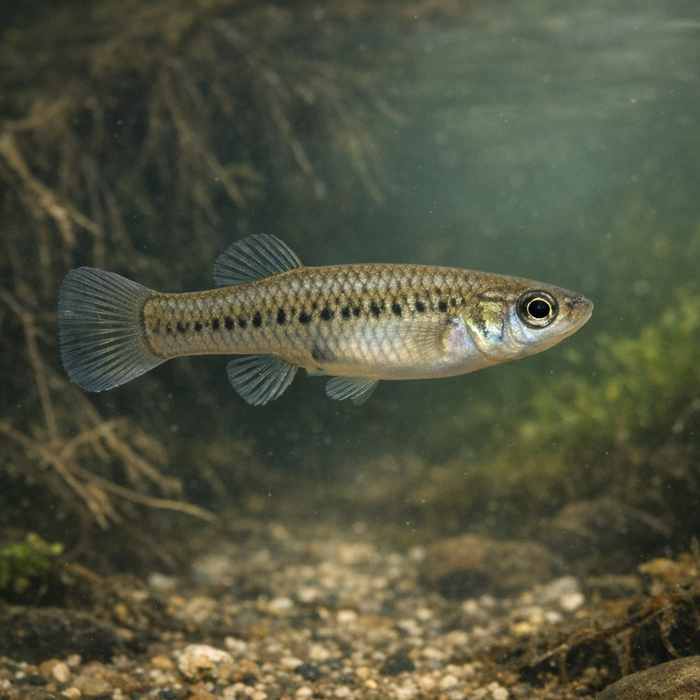
Ninespine Stickleback (Pungitius pungitius): A pint-sized bruiser with spines, swagger, and serious parental instinctsIntroductionThe ninespine stickleback is the little fish that refuses to act small. Bristling with sharp dorsal and pelvic spines, it patrols weedy shallows like a mini pike cosplaying as a porcupine. For anglers, it's microfishing gold: widely distributed, weirdly charismatic, and surprisingly willing to scrap with tackle that looks stolen from a fly tier's desk. If you're after real Ninespine stickleback facts, here's the playbook.What Makes the Ninespine stickleback Unique?Start with the hardware. Unlike its better-known cousin, the threespine, this one typically carries eight to twelve tiny dorsal spines, with nine close to the sweet spot. Those needles aren't for show; flare them and most predators instantly regret the menu choice. Then there's the parenting. Males weave plant fibers into a tidy nest, woo females with a zigzag dance, and then guard eggs like caffeinated sentries, fanning them to keep oxygen flowing. They can even stack multiple clutches in the same nest. Add in a freakish tolerance for both freshwater and brackish swings, and you've got a fish purpose-built for life on the edges.Habitat & Global RangeIf you're scouting Ninespine stickleback habitat, think green and shallow. They haunt weedy margins of ponds, slow creeks, marsh ditches, sedge-filled backwaters, and coastal lagoons. The species spans northern North America, Europe, and parts of Asia, thriving under ice and in summer heat where vegetation piles in. Depth is usually ankle to waist deep, with fish tight to emergent reeds, overhanging grass, or tangled submerged weeds. In estuaries, they work calm pockets near creek mouths, where salinity can jump between tides and they barely blink.Behavior & TemperamentNinespines can school outside the spawn, cruising midwater for tiny inverts and zooplankton, but the mood shifts in spring. Males carve out micro territories, darken in color, and turn pugnacious. Strike behavior is quick and deliberate: a darting lunge, a sharp nip, done. They're curious but not reckless; if you drop a bait clumsily, they'll ghost into cover and peek back out a minute later. Despite the swagger, they're still tiny. Hook sets should be gentle, leaders light, and expectations realistic. It's a precision game more than a tug-of-war.Ecological ImportanceThe ninespine stickleback is glue in cold-water and brackish food webs. It clips down midge larvae, amphipods, and other invertebrates, then turns into snackables for trout, char, perch, pike, and water birds. Their nesting and defensive behaviors make them keystone micro predators, shaping insect communities near vegetated shorelines. Because they tolerate big environmental swings, they're also useful indicators of marsh health. If the weeds are buzzing with sticklebacks, your backwater still has a pulse.Conservation & Environmental PressuresOverall, the species sits at Least Concern, but local waters tell their own stories. Shallow nursery zones are the first casualties of shoreline hardening, dredging, ditching, and nutrient-fueled weed die-offs. Oil sheens in estuaries, salt pulses from road runoff, and chronic low oxygen squeeze habitat quality. Invasive plants can either supercharge cover or choke out the balance that keeps oxygen moving. Thankfully, ninespines handle variability better than most, but even tough fish fold when marsh edges vanish.The FishyAF TakeThe ninespine stickleback is proof that fun scales down beautifully. You don't need a boat, a big budget, or big biceps. You need a micro float, a sliver of worm, and the patience to thread a hook that looks like jewelry. Target weed edges, move softly, and watch the float quiver. When it tips, lift like you're handling glass. This isn't hero-shot fishing. It's a different high: precision, curiosity, and a front-row look at wild parental behavior. For quick-hit scouting, search "Ninespine stickleback habitat" and bring your tiny tackle. You'll never look at a marsh the same way again.