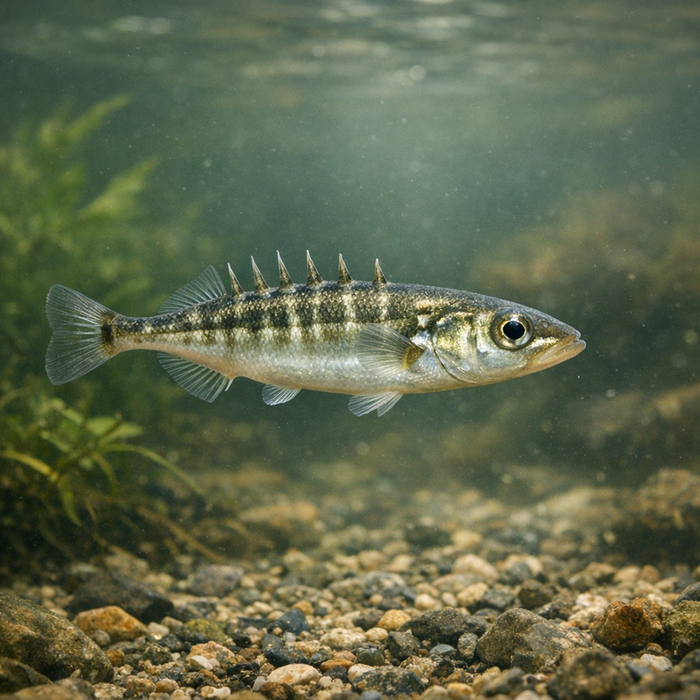
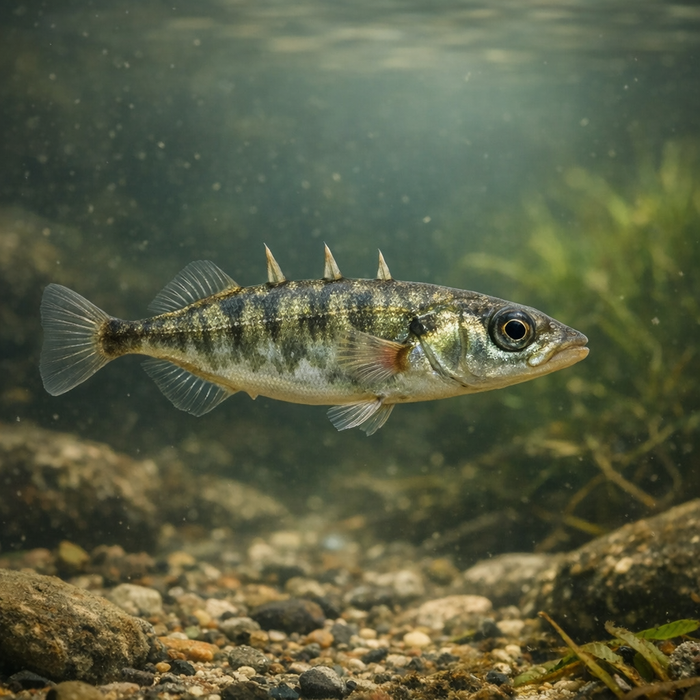
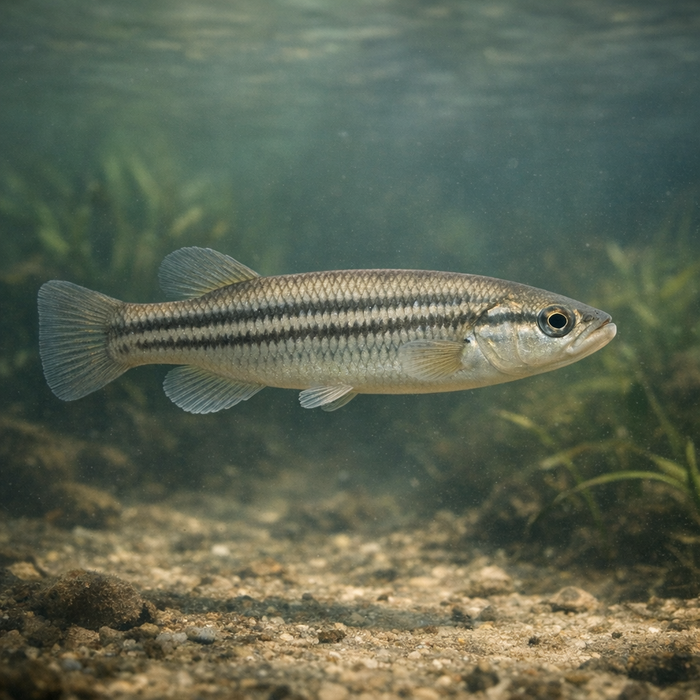
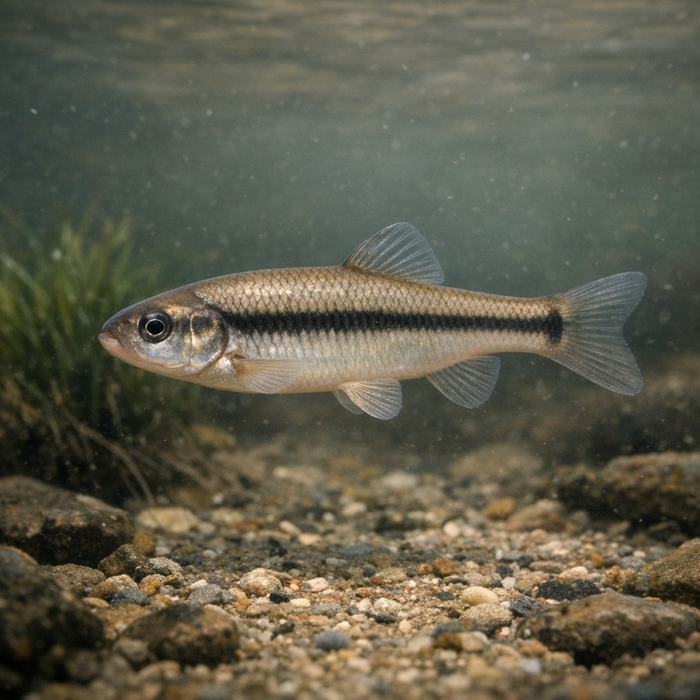
Brook Stickleback (Culaea inconstans): A Bold, Memorable Hook LineIntroductionThe brook stickleback is living proof that attitude isn't measured in pounds. It's a thumb-length bruiser with spines, swagger, and a domestic life that would impress an engineer. If you're into microfishing or just geeking out on small-water ecology, this scrappy little native will pull you right down the rabbit hole of tiny hooks and weedy banks.What Makes the Brook stickleback Unique?First, the architecture. Male brook stickleback literally build and glue their nests together using kidney secretions, then fan and guard the eggs like obsessive homeowners. Second, the hardware. Those stout dorsal and pelvic spines snap upright and lock, turning the fish into a bite-proof little caltrop. Third, their versatility. From prairie potholes to beaver ponds, the brook stickleback rolls with low oxygen, murk, and seasonal mood swings that send fussier fish packing. If you're chasing Brook stickleback facts, start with this: they're tiny, tough, and unapologetically extra.Habitat & Global RangeThe brook stickleback haunts shallow, vegetated water: slow creeks, marsh edges, ponds, and the protected margins of lakes. Picture knee-deep weeds, mucky bottoms, and bug factories. That's home base. Their stronghold is northern and central North America, especially the Great Lakes and upper Mississippi-Missouri drainages, with wide coverage across the northern prairies. In other words, if you've got cattails, a trickle of current, and summertime mosquitoes, there's a good chance brook stickleback are patrolling. For anglers asking about Brook stickleback habitat, think slack water, green weeds, and backyard-accessible shores.Behavior & TemperamentWhen the water warms, males stake out territories, build plant-fragment nests, and perform a quick zigzag dance to entice females. Multiple females may contribute eggs to one nest, and the male does daycare until the fry can fend for themselves. Outside the romance season, they cruise in loose groups, pecking invertebrates from plants and open pockets. They'll rise for micro-insects, dart midwater, and rummage near bottom, but always keep a bailout route into cover. They aren't fighters in the sporting sense, but they are curious, cagey, and ridiculously satisfying when your gear is scaled to their world.Ecological ImportanceBrook stickleback are tiny gears turning a big food-web machine. They convert clouds of aquatic insects, midge larvae, and micro-crustaceans into protein for larger predators. They help trim mosquito larvae in warm months. Their nest-guarding behavior boosts survival of the next generation, and their spines make them a harder meal, which ripples through predator choices. Healthy stickleback numbers often signal productive, vegetated shallows with decent water quality and a whole lot of life packed into small space.Conservation & Environmental PressuresThe species is broadly secure, but that doesn't mean bulletproof. Shoreline hardening, wetland drainage, and herbicide blasts that erase submerged vegetation can gut local populations. Low oxygen doesn't scare them, but severe winterkill and prolonged drought can. Invasive fish that hoover up invertebrates or lurk in weeds can squeeze them too. Because they're sometimes lumped into baitfish rules, collection pressure is possible in limited areas. Keep an eye on habitat complexity; when the weeds go, so do the brook stickleback.The FishyAF TakeIf you're skipping the brook stickleback because it won't spool your drag, you're missing the plot. This species is microfishing in its purest form: stealth, precision, and a front-row seat to wild behavior in ankle-deep water. A paperclip-sized hook, a thread of worm, and five minutes beside a cattail patch can deliver the kind of close-quarters encounter that makes you feel ten years old again. The brook stickleback is small-water charisma with spines, a builder's mind, and serious survival chops. Try it once and you'll start packing a micro setup everywhere.