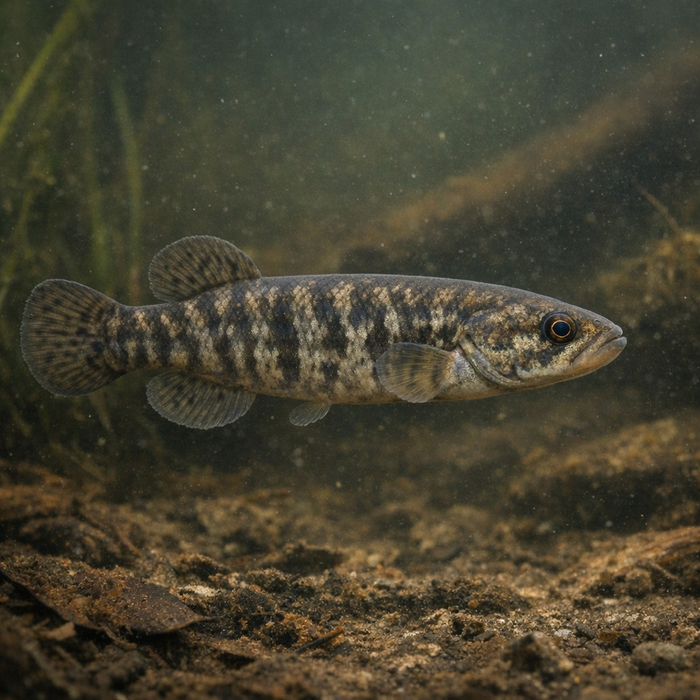
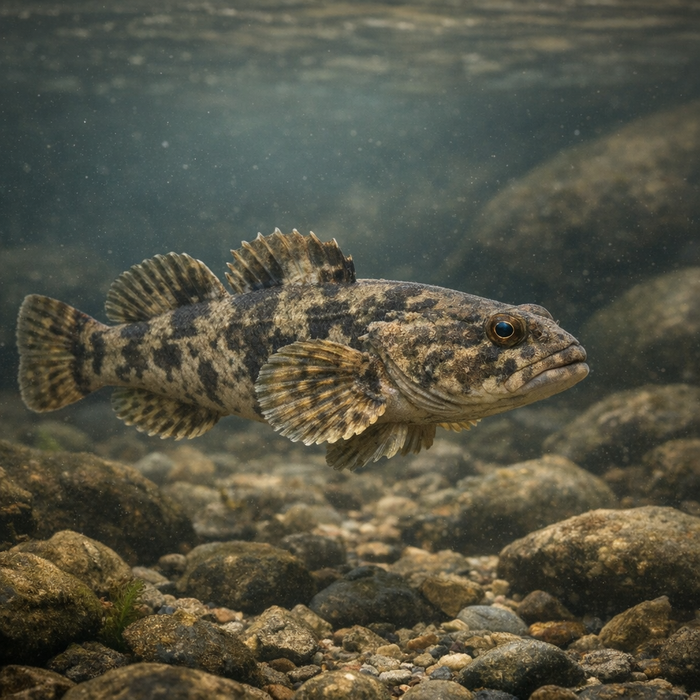
Eastern Mudminnow (Umbra pygmaea): The tiny swamp ninja that outlasts everything elseIntroductionIf you want a masterclass in survival packed into a pocket-sized fish, the Eastern mudminnow delivers. It isn't flashy, it won't spool you, and it definitely won't headline a tournament. But this little ambusher thrives where other fish straight-up quit. Think blackwater ditches, leaf-choked swamps, and seepage creeks that look more like tea than water. For anglers curious about offbeat species and microfishing, the Eastern mudminnow is a sneaky-fun target that rewards patience, stealth, and a good pair of mud boots.What Makes the Eastern mudminnow Unique?Start with family ties. Despite the name, it isn't a true minnow. Umbra pygmaea belongs to the pike order, Esociformes, making it a distant cousin to pickerel and northern pike. That lineage shows in its profile: a rear-set dorsal fin and a body built for short, decisive bursts. Then there's the superpower. The Eastern mudminnow tolerates awful water. Low oxygen? Fine. Acidic tannin soup? Bring it. It can gulp air and use its swim bladder to pull oxygen, and when conditions turn brutal it burrows into soft muck and downshifts its metabolism. Other fish suffocate; the mudminnow waits them out.Habitat & Global RangeEastern mudminnow habitat reads like a tour of the Atlantic Coastal Plain's backwaters: sluggish streams, swamp forests, marsh edges, and beaver ponds with heavy vegetation and mucky bottoms. It hugs the shallows, prowling inches to a couple feet deep around leaf litter, roots, and undercut banks. You'll spot its world by the color-strong tea to blackwater-and the cover-tangles of cypress knees, fallen branches, and grass mats. The species is widely distributed from the Northeast into the Southeast, with especially good numbers in New Jersey's Pine Barrens, the Mid-Atlantic coastal plain, and southern swamps. It has also been introduced beyond its native range in parts of Europe. If you're researching Eastern mudminnow habitat, put your bets on slow, dark, weedy, and muddy.Behavior & TemperamentThe Eastern mudminnow is an ambush specialist with a calm, patient vibe. It isn't a roamer. It posts up near structure, noses around detritus, and lunges at passing morsels-small invertebrates, larvae, tiny crustaceans. Activity ticks up at dawn and dusk, and it remains surprisingly lively in cold water, even under ice in the northern part of its range. Don't expect fireworks on the line; the fight is more wiggle than war. The game is coaxing a bite from tight quarters, not hanging on for dear life.Ecological ImportanceThis species punches above its weight in messy, low-oxygen systems. When other fish fade, the Eastern mudminnow keeps the food web moving, recycling energy through insect-rich detritus zones. It also serves as forage for larger predators in places where options are slim. Because it survives environmental stress better than most neighbors, its presence can signal that a swamp or backwater still has enough structural habitat and microbial life to function, even when oxygen is scraping bottom.Conservation & Environmental PressuresGood news first: the Eastern mudminnow is generally listed as Least Concern. It's resilient and adaptable. But resilience isn't invincibility. Drainage projects, channelization, and the loss of wetland edges hammer the exact spots this fish needs-shallow, vegetated, slow water with leaf litter and mud. Pollution spikes and chronic sediment loads can also degrade the intricate microhabitats where it hides and feeds. Interestingly, this species can expand in beaver-affected waters, where ponds and swampy side channels increase cover. So in some landscapes, beaver activity is a net win.The FishyAF TakeIf your fishing bucket list is only about big hooks and blistering runs, the Eastern mudminnow won't move your needle. But if you're into weird, wild, and wonderfully tough, it's a must-catch. Microfishing this species is about precision: tiny hooks, threadlike line, and a patient drop alongside roots and leaf piles. You'll learn to read still water, spot subtle movement, and pick apart pockets most anglers ignore. For folks chasing Eastern mudminnow facts, here's the headline: it's a survivor that turns inhospitable swamps into home field advantage. The bonus is perspective. After an afternoon sneaking along a blackwater creek, you start noticing a whole ecosystem living within three feet of the bank. That's the mudminnow's gift-a small fish that opens up a much bigger world.