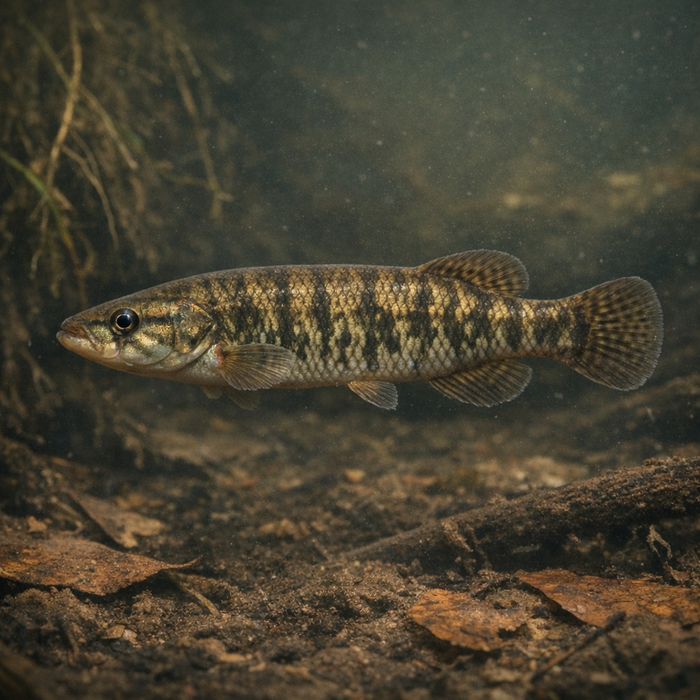
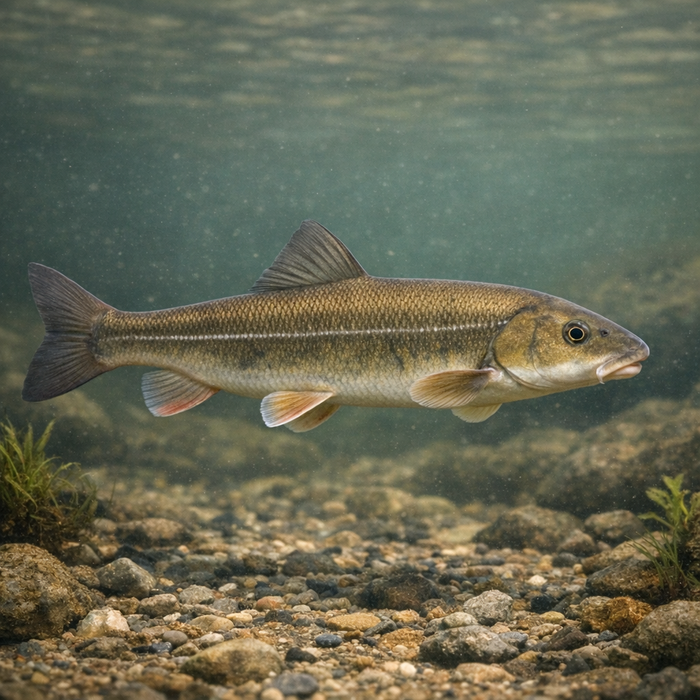
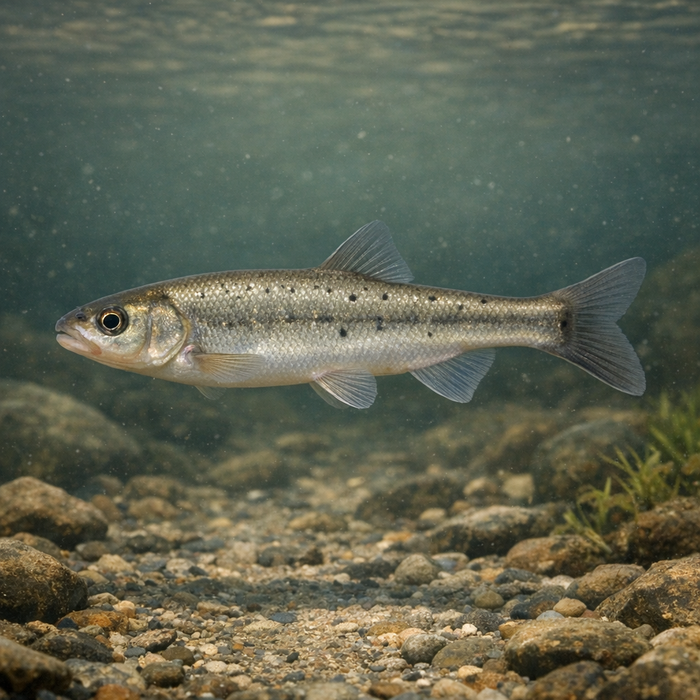
Olympic Mudminnow (Novumbra hubbsi): A Bold, Memorable Hook LineIntroductionMeet the Olympic mudminnow, Washington's pint-size native troublemaker. It's two to three inches of attitude living where boots sink, mosquitos swarm, and other fish tap out. If you like your targets rare, weird, and surprisingly scrappy for their size, this tiny predator punches way above its weight. Here's your deep dive into real Olympic mudminnow facts, not the lukewarm brochure version.What Makes the Olympic mudminnow Unique?First, exclusivity. The Olympic mudminnow is the only fish species found solely within Washington State. That's right, your new obsession is a homegrown original. Second, this fish is a low-oxygen champ. It thrives in tea-colored, peat-stained swamps where many species would be belly-up. Third, while it's small, its hunting style is pure ambush-predator: hang motionless in cover, then launch a fast S-curve strike. It's like pike behavior compacted into a two-inch package.Habitat & Global RangeThis fish doesn't do "global." The range is a tight ring around western Washington lowlands and the Olympic Peninsula. Think beaver ponds, sloughs, oxbows, and sluggish stream margins clogged with emergent plants. Olympic mudminnow habitat is quietly complex: soft mud bottoms, mats of waterweed, and vaguely creepy tea-colored water loaded with tannins. They use seasonal floodwaters to creep into back channels and temporary pools, often persisting in isolated wetlands after the floods recede. Depth? Shallow. You'll usually see them in ankle- to knee-deep water, glued to vegetation or shadow lines.Behavior & TemperamentDespite their size, Olympic mudminnows behave like patient assassins. They're ambush feeders that don't waste energy. Little cruising, lots of lurking. Their preferred hangouts are weed gaps, root tangles, and the edges of beaver lodges. They'll cluster loosely when conditions force them together, but they're not tightly schooling; think small squads rather than noisy crowds. Activity spikes around low-light periods and during calm weather when insects and micro-invertebrates drift. Heavy current is not their thing. They'll slide into eddies, backwaters, and silted cutbanks to avoid flow.Ecological ImportanceCall them the grit that keeps the swamp gears turning. Olympic mudminnows pressure test harsh waters, keeping invertebrate populations honest. In beaver-dominated landscapes, they're part of a cascade: beavers build it, mudminnows hunt it, herons and kingfishers cash the checks. That predator role matters at miniature scale. They turn mosquitos, amphipods, and larval odds-and-ends into calories that bigger critters can actually use. When waters get hypoxic, they outlast competitors and stabilize the food web until conditions improve.Conservation & Environmental PressuresA narrow range makes any species twitchy. The Olympic mudminnow faces ditching, drainage, urban sprawl, and climate-driven summer dewatering. Wetland loss hits them hardest, especially where beaver ponds are removed or hydrology gets straightened into sterile channels. Water-quality swings and invasive vegetation shifts can compress their niche. Some waters are protected or low-access, which helps. But this fish relies on patchy, shallow habitats that get "improved" into oblivion by people with excavators and short patience. Local rules may restrict capture or possession; many micro-anglers keep it strictly catch-and-release with barbless micro hooks.The FishyAF TakeThe Olympic mudminnow is the underdog you root for and secretly admire. It's not glamorous, it won't peel drag, and you won't shoulder-mount it. But it's a specialist with a wicked little playbook. If your idea of fun is threading a bait through cattails and watching a two-inch torpedo materialize from a shadow, you're our kind of degenerate. Chase it for the story, the challenge, and the bragging rights of catching a fish found nowhere else on Earth. Add these Olympic mudminnow facts to your arsenal, learn its swampy rhythms, and you'll earn a quirky notch on your species list without ever leaving Washington.