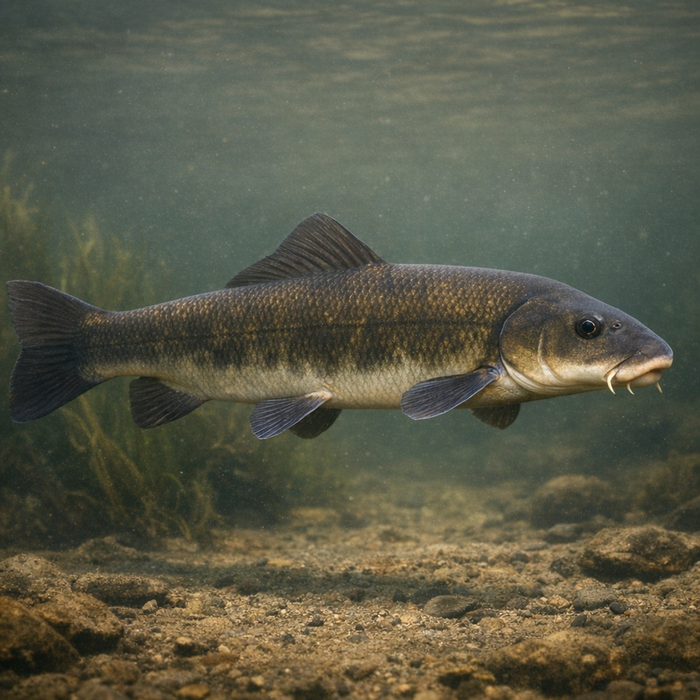
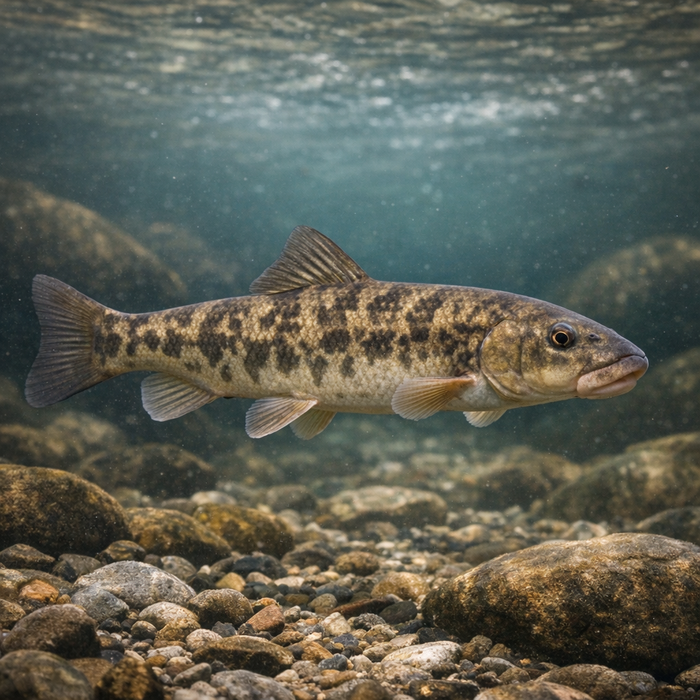
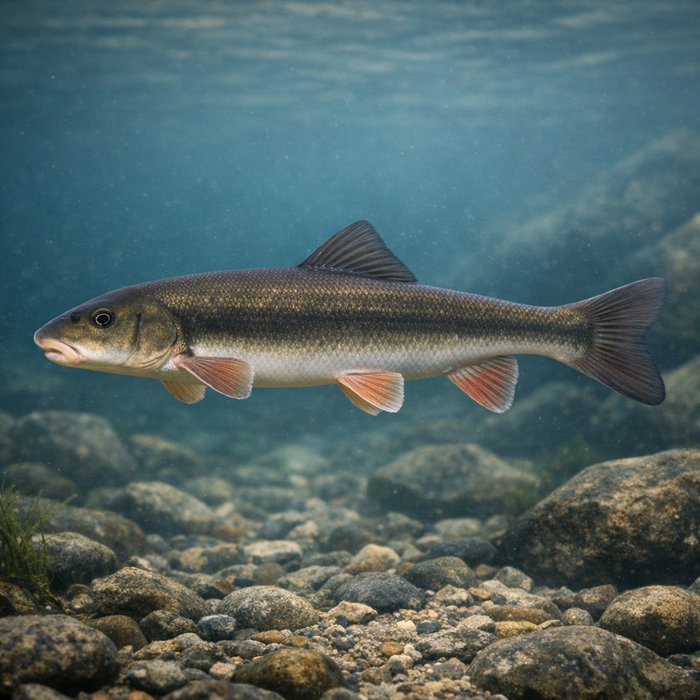
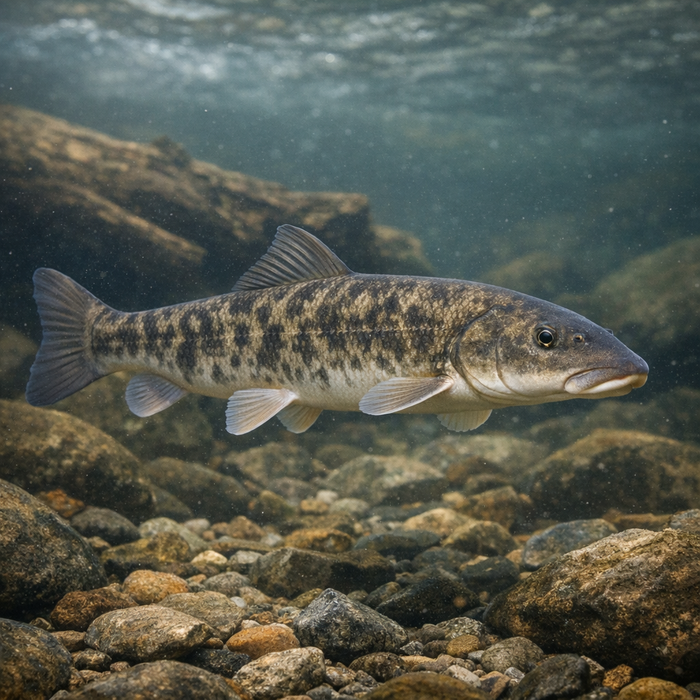
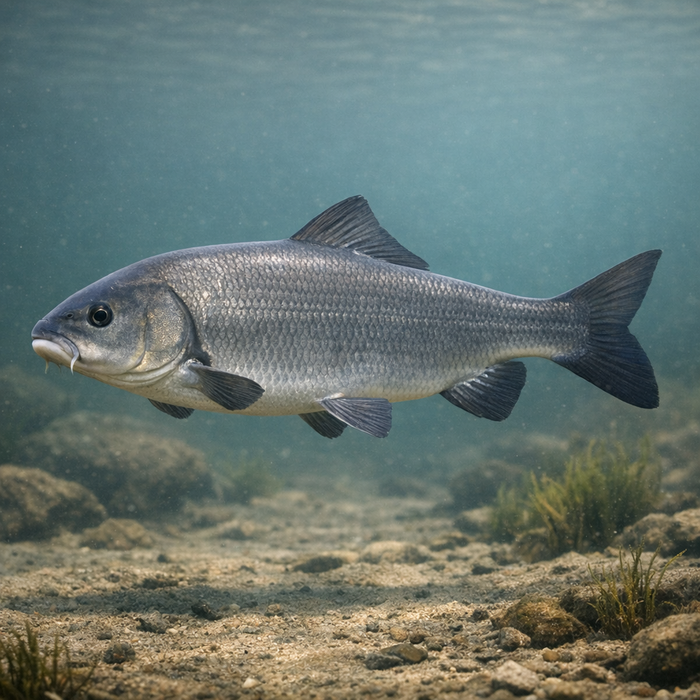
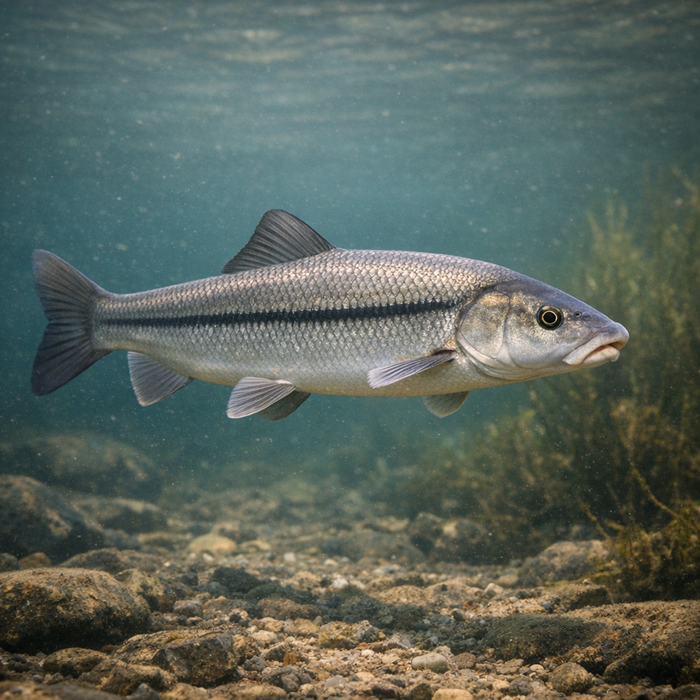
Warner Sucker (Catostomus warnerensis): The desert underdog with vacuum lips and a tough survival streakIntroductionDrop your expectations of flashy gamefish for a minute. The Warner sucker is a scrappy native of the American West's Warner Basin, a fish engineered by drought, alkaline water, and short, violent bursts of spring runoff. It isn't a poster child for grip-and-grin photos. It's a survivor. For anglers who appreciate native fish and the stories they tell, the Warner sucker is a legend hiding in plain sight.What Makes the Warner sucker Unique?Three things. First, it runs a dual lifestyle. Some fish live in the shallow alkaline lakes, others in the creeks, and in wet years they migrate between them like they own the basin. Second, those trademark sucker lips aren't just a look. They're purpose-built, nibbling invertebrates from cobble and vacuuming fine silt without choking on it. Third, the Warner sucker is endemic. This fish's entire world is a patchwork of lakes, marshes, and creeks in one remote basin. If you see one, you're basically peeking into a micro-ecosystem sealed off by geography and time.Habitat & Global RangeLet's keep it real: the Warner sucker doesn't have a global range. Its passport says Warner Basin, full stop. Think Hart Lake, Crump Lake, and desert creeks like Honey Creek, Deep Creek, and Twentymile Creek. These waters flip between feast and famine depending on snowpack and summer heat. During high water, lake and stream fish reconnect; during drought, everything shrinks back to spring-fed channels and deeper pockets. If you're looking for Warner sucker habitat info, picture alkaline lakes with broad, weedy shallows, and creeks with gravel riffles and soft, silted runs.Behavior & TemperamentThe Warner sucker is not a brawler. Hook one incidentally on a worm and you'll feel steady, dogged weight, not fireworks. It feeds low, often in schools or loose groups, working edges where current slows and food stacks up. Spawning typically starts with snowmelt, when water nudges into the 50s. Adults move into riffles with clean cobble, then slip back to calmer water. They're not picky by predatory standards, but they're precise about bottom groceries, nosing into cracks and soft substrate where bugs live.Ecological ImportanceThis fish is an ecosystem employee of the month, year after year. By vacuuming benthic invertebrates and stirring fine sediments, the Warner sucker reshapes nutrient flow across these shallow desert waters. Its eggs and larvae feed other natives, including redband trout. In flood years, its migrations spread energy and genetics across the network. In dry years, it hunkers down and holds the line. Remove the Warner sucker and the Warner Basin loses resilience, complexity, and a chunk of its native identity.Conservation & Environmental PressuresThe Warner sucker is federally protected for a reason. Historic water diversions, barriers, and habitat degradation carved the basin into isolated pockets. Drought stacks the deck further, shrinking nursery habitat and turning migration routes into gravel paths. Non-native fish complicate the picture. Today, targeted restoration, improved passage, and smarter water management are nudging the curve in the right direction. But this is still a small-range specialist with razor-thin margins. Calling it secure would be wishful thinking.The FishyAF TakeYou don't fish for Warner sucker as a trophy. You respect it as a native that refuses to blink. Anglers who learn Warner sucker facts and Warner sucker habitat details end up better at reading water everywhere. This fish teaches you to notice spring flows, flooded margins, and the quiet machinery of benthic life. If you incidentally hook one, handle it wet and quick, and let it slide back like you just returned a secret. The Warner sucker won't headline your social feed, but it might change how seriously you take the word "native."