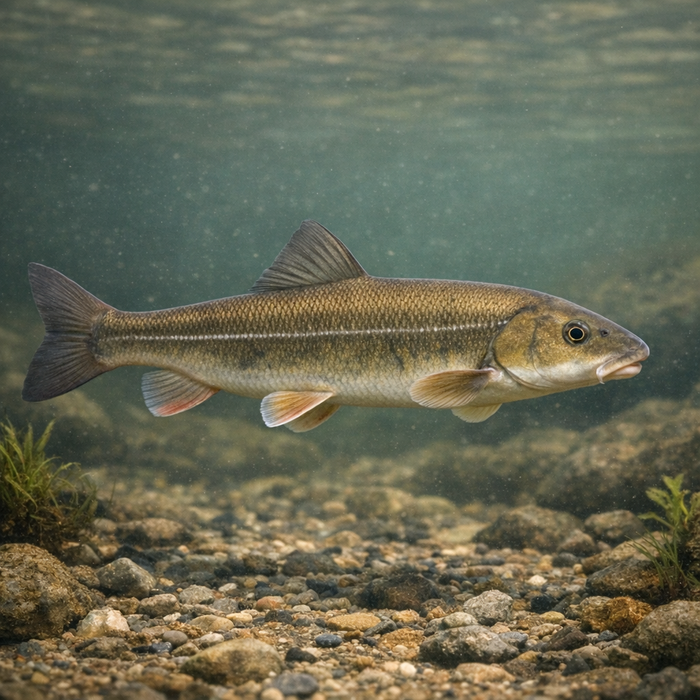
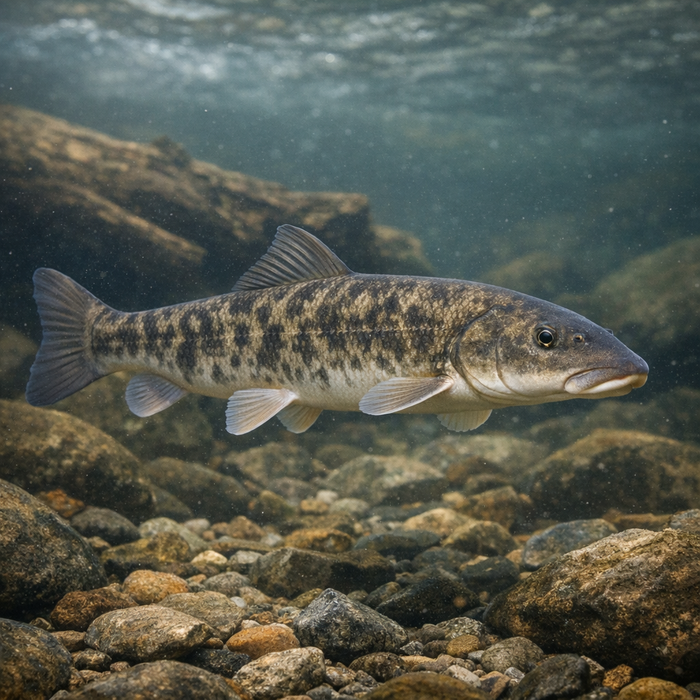
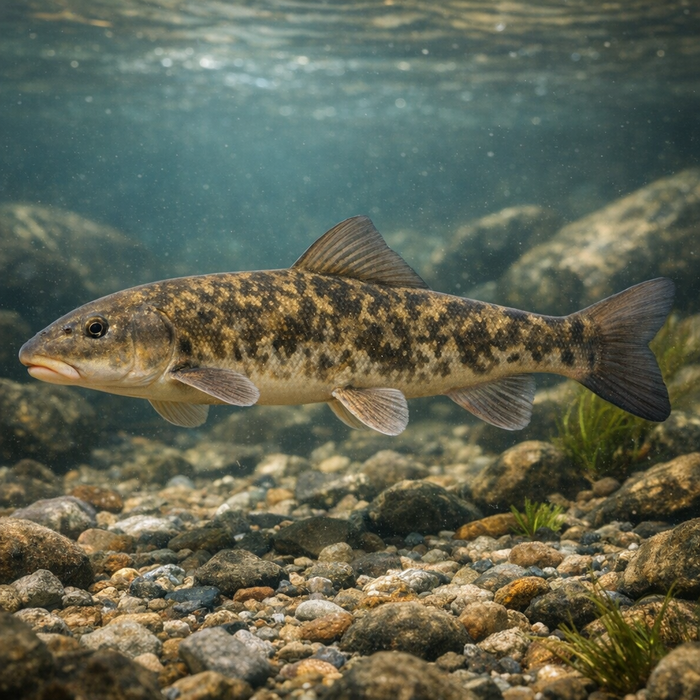
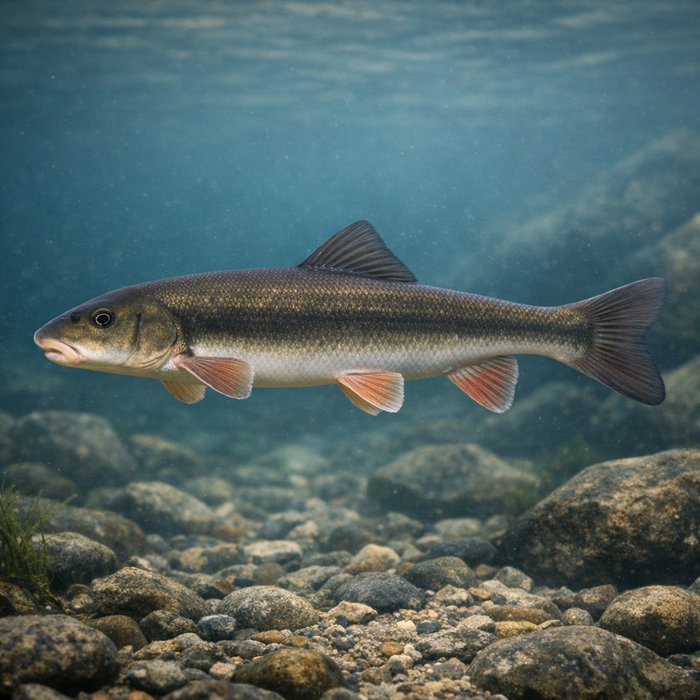
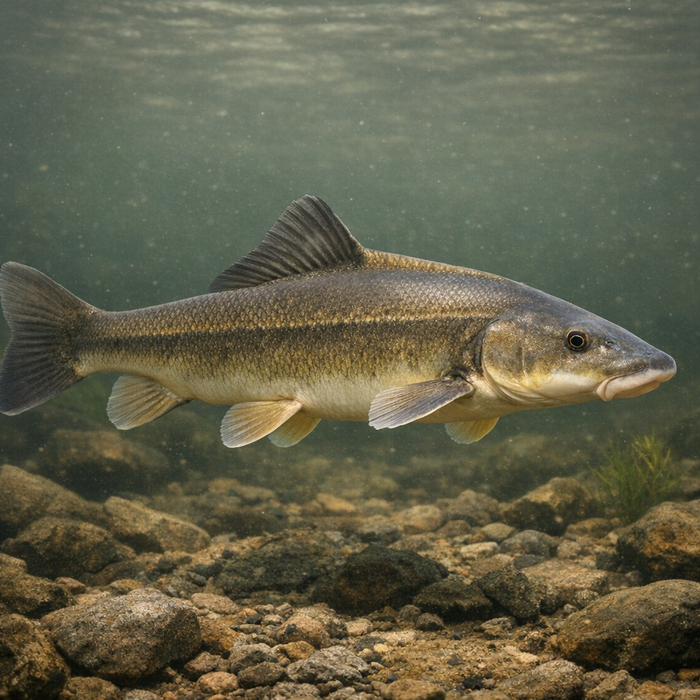
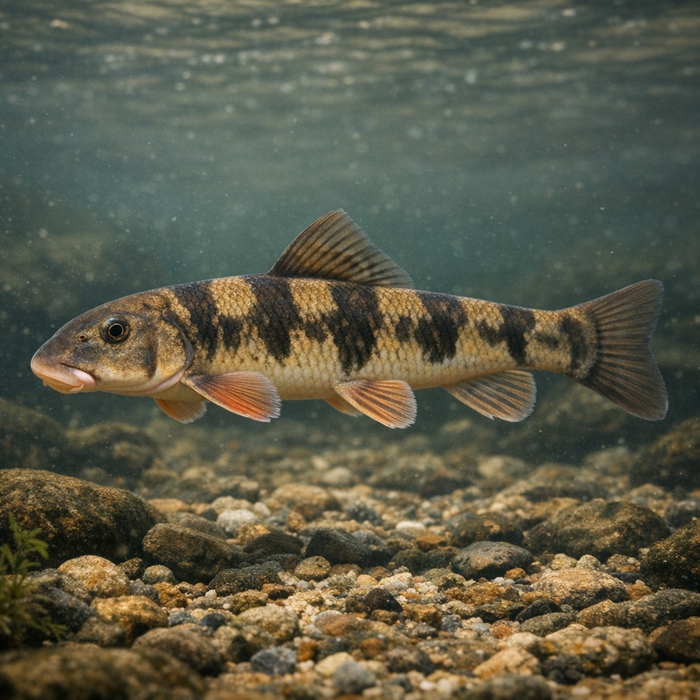
Lost River sucker (Deltistes luxatus): The Klamath Basin heavyweight that refuses to quit.IntroductionThe Lost River sucker is not here for your Instagram clout. It is here because it has survived droughts, algae-choked summers, dams, diversions, and a century of human tinkering. Long-lived, big-bodied, and stubborn as a fencepost, this native sucker is a Klamath Basin original. You might not be able to legally target it, but knowing this fish matters if you fish the region. Consider this your quick hit of Lost River sucker facts with just enough grit to stick.What Makes the Lost River sucker Unique?Start with age. Many adults are older than your favorite fishing hat, pushing 40 to 60 years. They are also outsized for suckers, commonly running into the two- to three-foot class. And unlike most fish that scatter eggs anywhere handy, Lost River suckers home to specific springs and tributaries, zeroing in on cold, oxygen-rich flows like a GPS set to survival. That behavioral fidelity is impressive and risky, which is part of the story here.Habitat & Global RangeLost River sucker habitat centers on the Klamath Basin of southern Oregon and northern California. Think broad, shallow, often alkaline lakes tied to a network of rivers and spring runs. Upper Klamath Lake, the Williamson and Sprague Rivers, the Link River, Clear Lake Reservoir, and remnants of Tule Lake all figure into the map. Adults spend most of the year in lakes and bays, staging around upwellings where water quality is best, then push into tributaries or shoreline springs to spawn when flows and temperatures cooperate.Behavior & TemperamentThis species is a bottom grazer with a serious work ethic. The mouth is a downward-facing vacuum adapted to rasping algae and sifting for invertebrates along silt, sand, and cobble. They are not brawlers like smallmouth or sprinters like trout. Hook one and you get a heavy, head-shaking plod, more tractor than sports car. They travel in loose groups, tighten up during spawning, and favor stable, clean gravel or spring vents when it is time to drop eggs. Summer brings a daily shuffle toward better oxygen, especially near cold inflows.Ecological ImportanceThe Lost River sucker is a keystone native in a watershed packed with competing demands. It recycles nutrients, keeps biofilms in check, and feeds everything from pelicans to otters. Its long life means each adult is a biological time capsule, bridging good and bad years and seeding the future when conditions finally line up. Protecting this fish often improves water quality for salmonids and waterfowl too. Translation: save a sucker, and a lot of other things get better.Conservation & Environmental PressuresThis fish is officially Endangered because it runs a gauntlet of low-oxygen events, toxic algal blooms, entrainment into irrigation systems, altered flows, and habitat loss. Add lake warming, drought pressure, and occasionally poor juvenile survival, and you know why old fish dominate many groups. Tribal, state, and federal teams have thrown the kitchen sink at recovery: fish screens, hatchery supplementation, spawning habitat work, and water-quality fixes. Progress exists, but timing of snowmelt, lake chemistry, and summer heat still write the rules.The FishyAF TakeYou may never target the Lost River sucker, but if you fish the Klamath, it shapes your day. When oxygen sours or algae blooms, bass and trout feel it too. Respect closures, keep bycatch wet, and root for better springs and clearer summers. The Lost River sucker is a rugged local legend, proof that toughness and patience can carry a species a very long way. And if you wanted just two takeaways for your brain bucket: Lost River sucker habitat is all about cold, clean inflows, and the best Lost River sucker facts start with this simple truth-water quality is destiny.