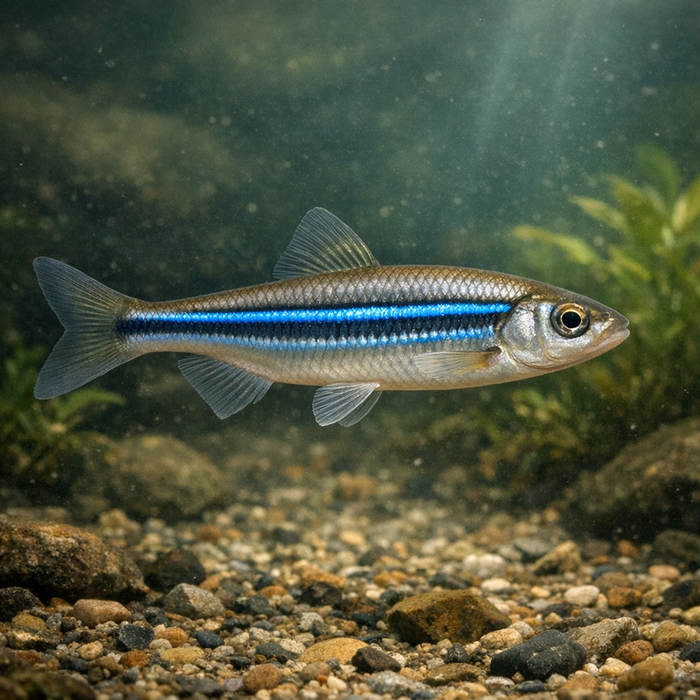
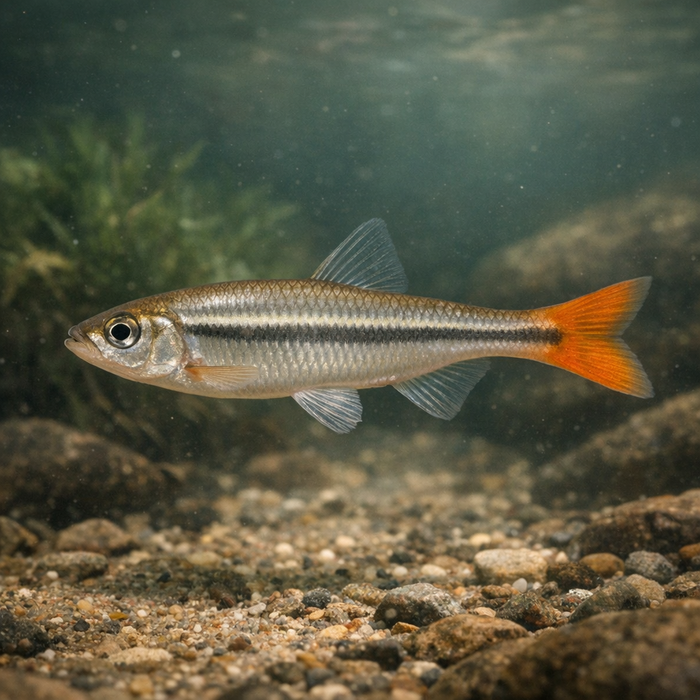
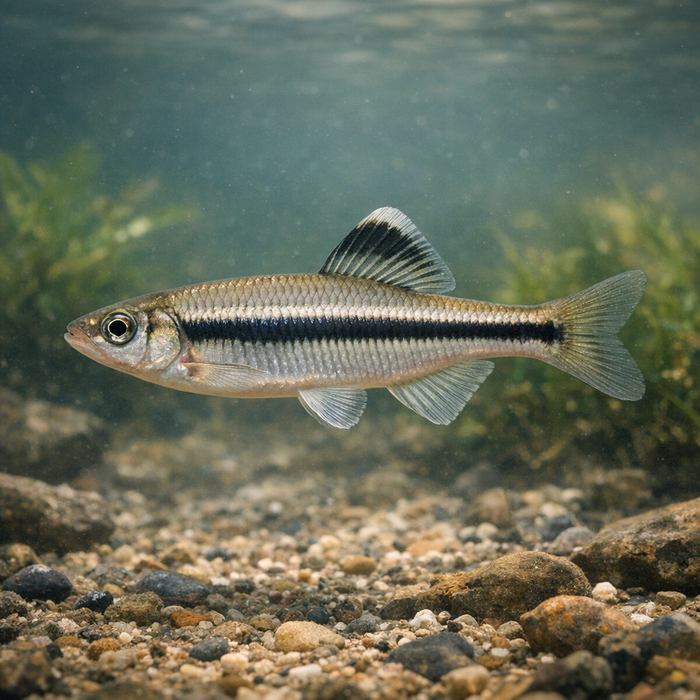
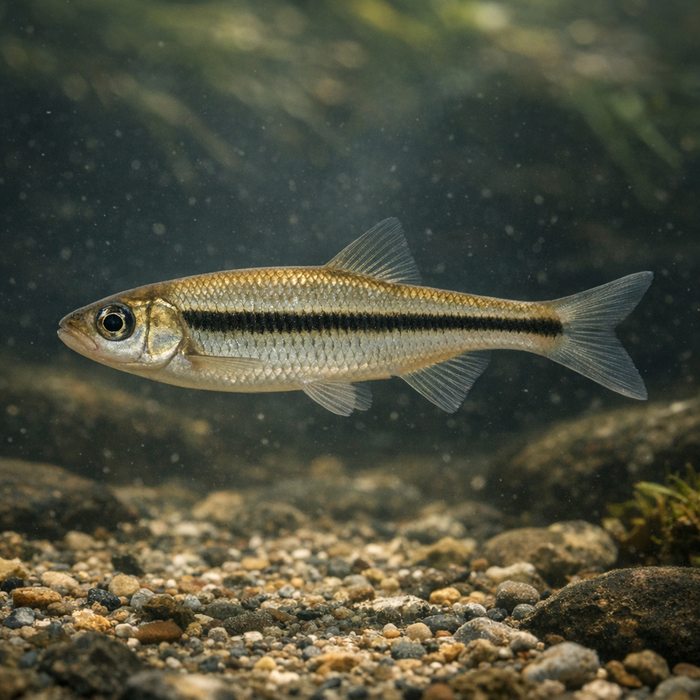
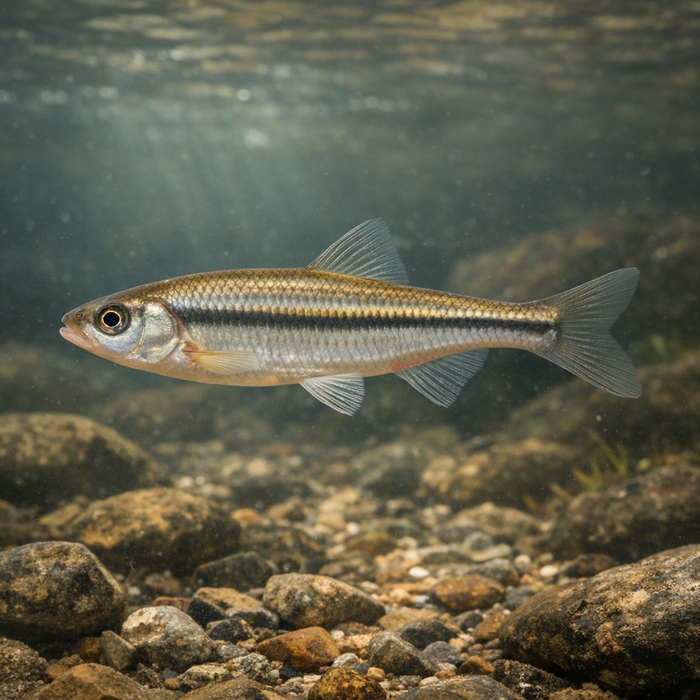
Ouachita Shiner (Lythrurus snelsoni): A Bold, Memorable Hook LineIntroductionThe Ouachita shiner is proof that small fish can have big personality. It's a pocket rocket with race-car paint, a specialist built for flashing through clean, fast water. This is the shiner that keeps serious micro anglers driving gravel roads and peering into riffles with a goofy grin. If you want Ouachita shiner facts and a straight take on what makes this little native tick, keep reading.What Makes the Ouachita shiner Unique?Two things: the color show and the playbook. In season, male Ouachita shiners light up with crimson fins and a metallic blue wash along the flanks. For a fish that barely makes three inches, it brings the swagger of a reef fish. Then there's the strategy. Like several redfin shiners, Lythrurus snelsoni often exploits sunfish nests, slipping eggs onto guarded beds to score free protection. Clever, shameless, and effective. That combination sets the Ouachita shiner apart.Habitat & Global RangeThis is an endemic with a home address, not a passport. The Ouachita shiner lives in the Ouachita River system in Arkansas and Louisiana, especially clear, rocky streams with steady current. Think knee-deep riffles, cobble and gravel runs, and pool tails with crisp flow and good oxygen. Mud and sustained turbidity are deal breakers. If you're curious about Ouachita shiner habitat, picture a healthy upland creek where your boots clatter on gravel and mayflies drift like confetti.Behavior & TemperamentSchooling is the safety net, and speed is the move. The Ouachita shiner hangs midwater, tracking drift and darting for quick bites. It likes broken surface texture and uses current seams like conveyor belts. When spawning season warms the drainage, fish push onto clean gravel, and males square up with tubercled snouts for short, scrappy shoves. They're alert, fast to spook, and demand a tiny, natural presentation. Hooksets feel more like convincing a rumor than wrestling a fish.Ecological ImportanceSmall doesn't mean small-time. The Ouachita shiner is a clean-water indicator, thriving where flow, oxygen, and substrate are right. It helps transfer energy from drifting insects to larger predators, and its seasonal egg-dumping on guarded sunfish nests is a wild little subplot in stream ecology. When you see a healthy school of shiners glittering in the runs, you're looking at a creek with its engine tuned.Conservation & Environmental PressuresThe usual villains show up fast for a stream specialist. Siltation buries gravel, stormwater jacks up flows and scours the bed, and chronic turbidity shuts down feeding and spawning. Riparian clearing cooks water, and culverts fragment habitat. The Ouachita shiner doesn't have a broad range to absorb hits, so local impacts matter. Protecting intact riffles, keeping cattle out of the margins, and letting forests do their filtration thing all pay dividends for this fish.The FishyAF TakeIf your idea of fishing starts at five pounds, you'll miss the entire magic trick here. The Ouachita shiner is a micro benchmark: it forces you to read water better, slow down, and bring real finesse. Nail one in nuptial colors and you'll get it. The species isn't about hero shots; it's about dialing in a living stream to the click. Catch one, and the creek suddenly stops being background noise. It becomes the whole show. That's the gift of the Ouachita shiner.