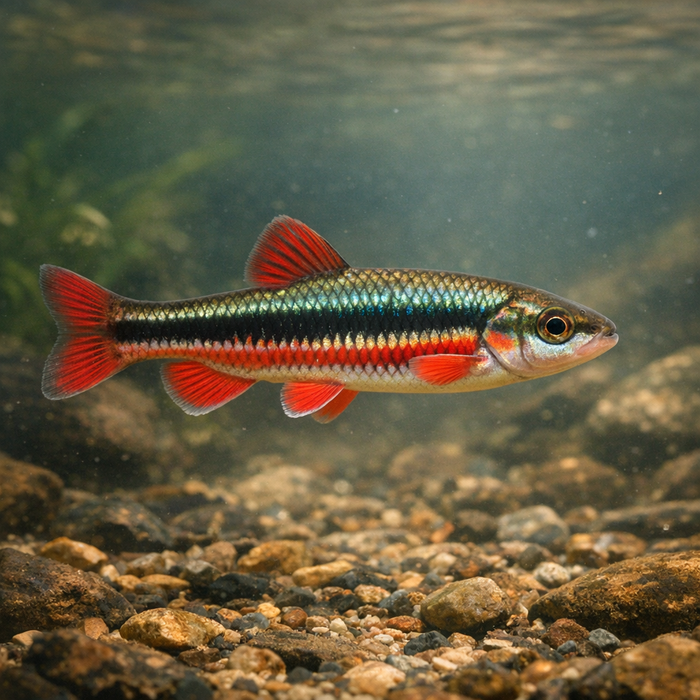
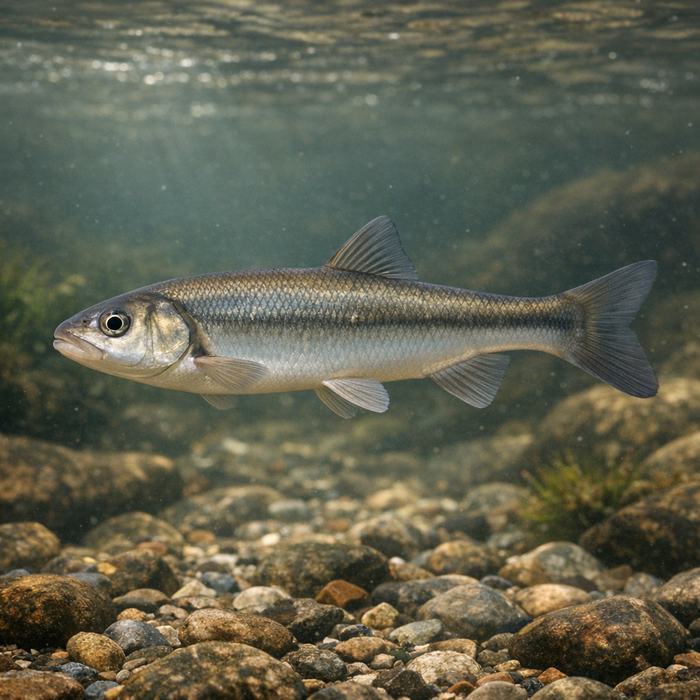
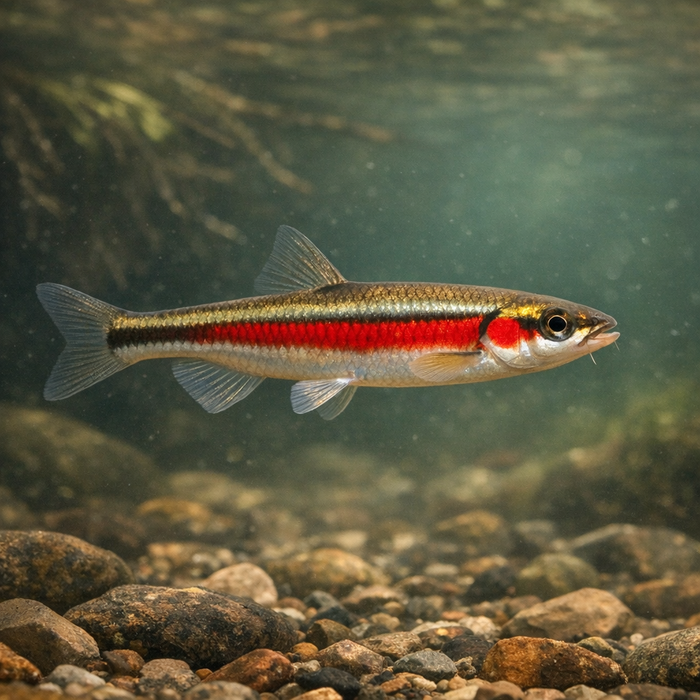
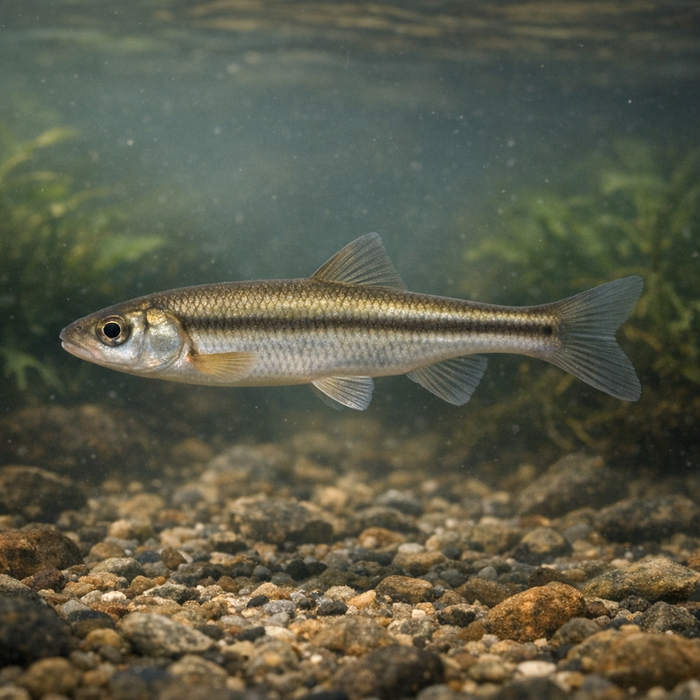
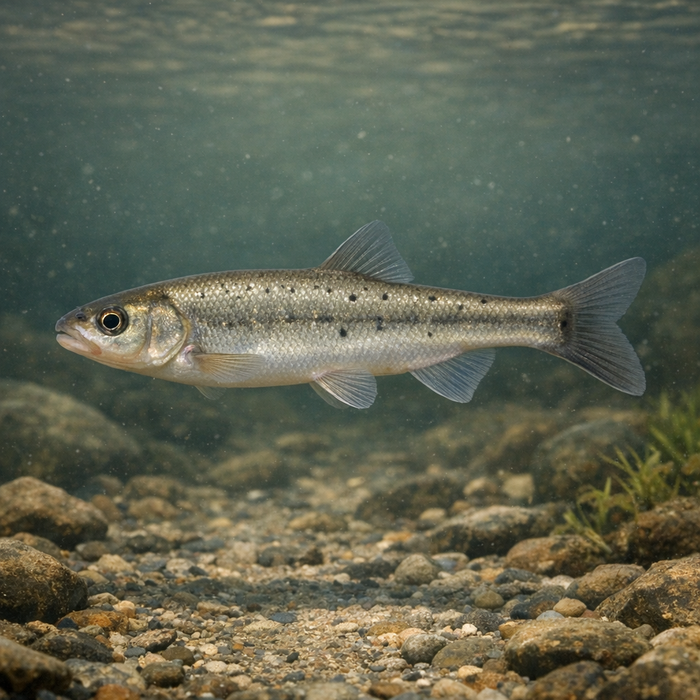
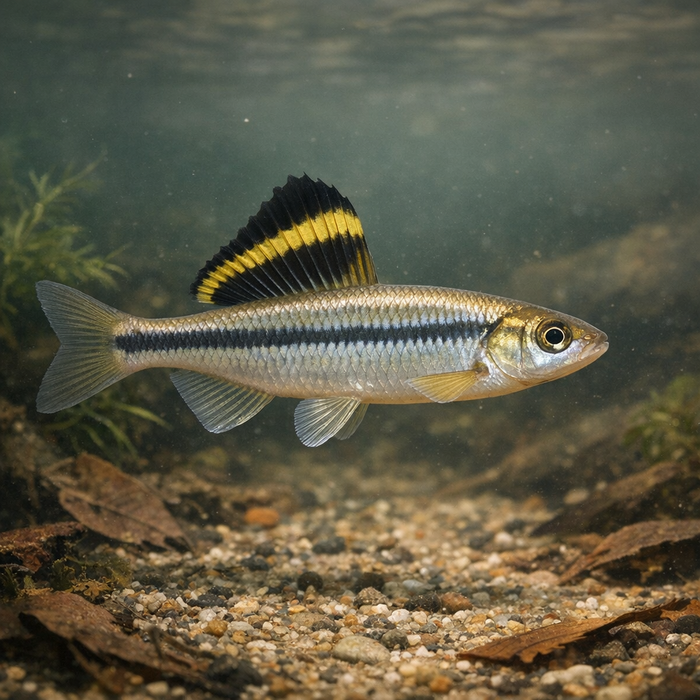
Ozark Shiner (Paranotropis ozarcanus): A Bold, Memorable Hook LineIntroductionMeet the little bullet of the Ozarks. The Ozark shiner is a shimmering, hyperactive minnow that turns skinny, fast water into a moving light show. You won't win any weight-class trophies here, but if you're into sight-fishing, precision drifts, and watching schools react to every twitch of current, this fish is a blast. It's the micro angler's riddle: simple habitat, tricky presentation, and instant feedback when you get it right.What Makes the Ozark shiner Unique?First, torque-to-size ratio. The Ozark shiner holds in stiff riffles like it's glued to the river, flicking minimal fin to keep station. Second, it's clean-water honest. If the Ozark shiner is thick, you're standing in healthy water with tight, oxygen-rich gravel. Third, spawning style is drama in ankle-deep riffles, where males sharpen up with subtle straw-yellow fins and tiny pearl tubercles. For anglers chasing Ozark shiner facts, these details tell you when and how the current turns this minnow into a show-off.Habitat & Global RangeThe Ozark shiner is a regional specialist. Think spring-fed creeks and small to mid-sized rivers cutting across the Ozark Plateau in Arkansas and Missouri. Classic Ozark shiner habitat is clear, cool current pouring over pea-to-gravel riffles into shallow runs and pool tailouts. You'll see them schooling midwater above clean stones, sliding in and out of light seams. They're rarely deep-water lurkers; instead, they ride the conveyor belt of current where food drifts steady and predators are easier to spot.Behavior & TemperamentSchooling is the rule. The group darts, flares, compresses, and vanishes with a single flash of shadow or footstep on the bank. Feeding is mostly midwater, timing strikes with drifting insects and micro-invertebrates. Present a clean drift and you can watch individuals break formation to nip at impossibly small offerings. Spawning kicks in late spring to early summer when temperatures warm, often in the same riffles they feed. They're sensitive to noise, wakes, and clumsy wades; stealth and short casts pay off big.Ecological ImportanceThe Ozark shiner is a water-quality receipt you can read in real time. Healthy numbers mean cool, clear, oxygen-rich flow over stable gravel. They move energy from tiny insects up the food chain, fueling sportier neighbors and signaling intact habitat. When they thin out, it can mean sedimentation, warming, nutrient spikes, or flow disruption. Protecting this fish protects the riffles that keep whole Ozark stream communities ticking.Conservation & Environmental PressuresOverall outlook: generally stable, but locally sensitive. The Ozark shiner depends on clear water and clean gravel. Silt from bank erosion and poorly managed runoff smothers spawning substrate and kills the vibe fast. Low summer flows through drought or over-withdrawal pinch habitat. Nutrient loads can flip clarity and oxygen levels. The good news is that smart riparian buffers, stable crossings, and wise water use keep this fish thriving. Where habitat is intact, the Ozark shiner bounces back quickly.The FishyAF TakeThe Ozark shiner is proof that small doesn't mean boring. Get your drift perfect in knee-deep current, and this fish gives you instant, electric confirmation. It's a micro species that rewards stealth, timing, and precision, not gear bulking. For anyone who geeks out on clear water and visual takes, the Ozark shiner is addictive. If you came here chasing Ozark shiner habitat intel or simply collecting micro species, here's our nudge: slow down, watch the seam, and let the riffle teach you how alive a "little minnow" can be.