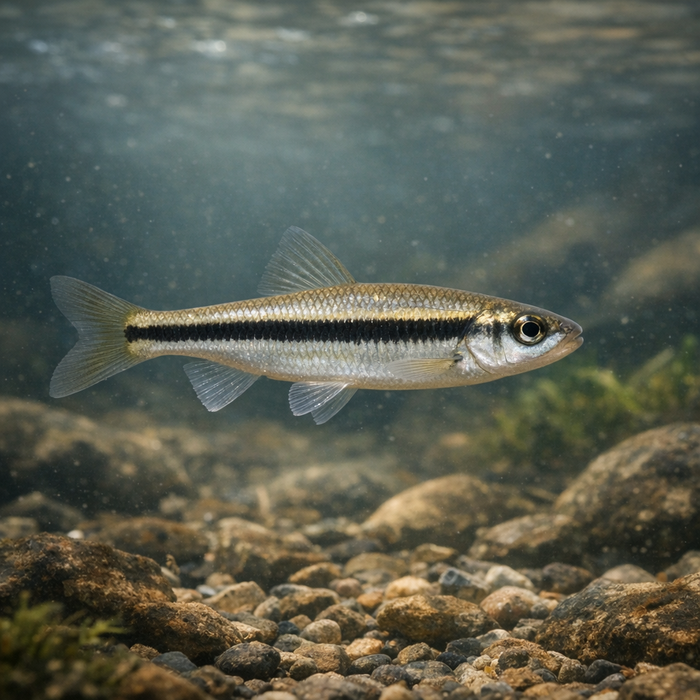
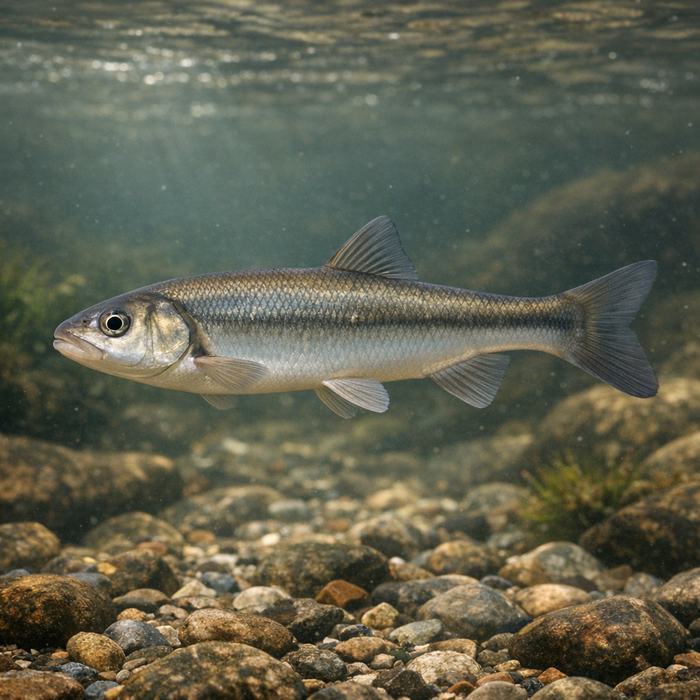
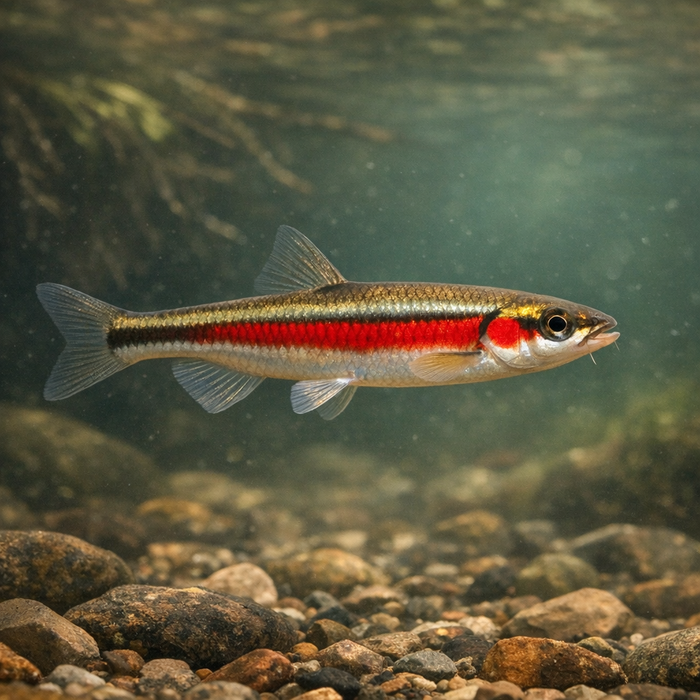
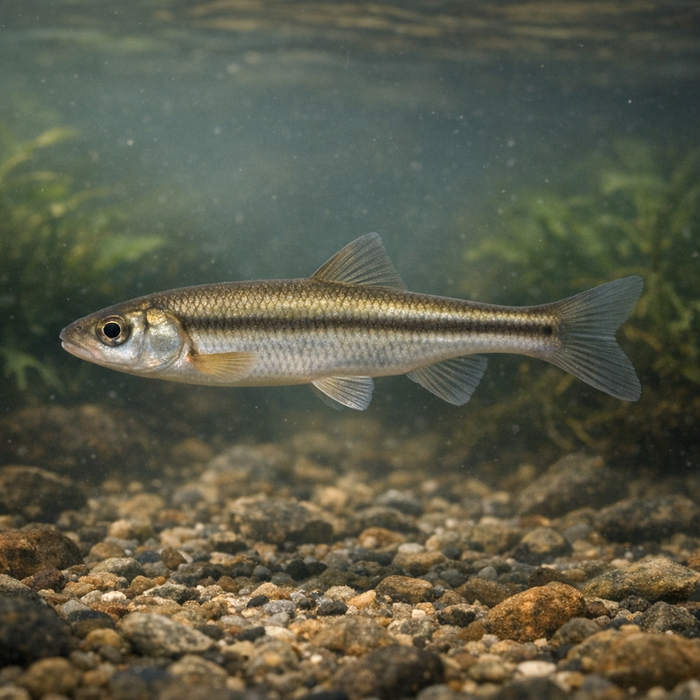
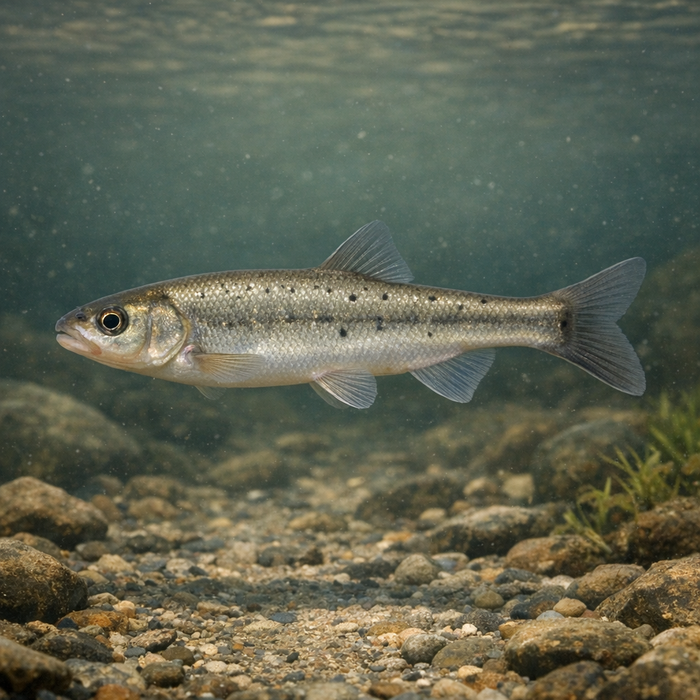
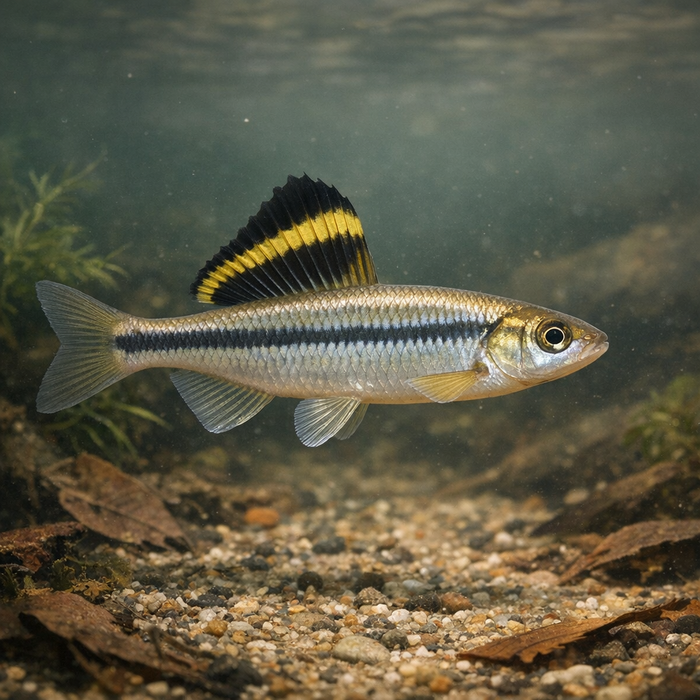
Tennessee Dace (Chrosomus tennesseensis): A Bold, Memorable Hook LineIntroductionMeet the flashiest underdog in the creek. The Tennessee dace is tiny, fast, and draped in springtime bling that makes trout look underdressed. It doesn't pull like a smallmouth and it won't break your leader, but it will demand stealth, micro gear, and a rock-solid appreciation for wild headwater life. This is the fish that turns a trickle into a destination and a 2-inch catch into an absolute win.What Makes the Tennessee dace Unique?Start with the paint job. In breeding season, male Tennessee dace glow with cherry bellies and orange fins, all framed by two dark side stripes and a subtle golden wash. Then there's their smart reproductive play: many spawn over the gravel mounds built by larger chubs, sidestepping nest construction entirely. For anglers, their uniqueness is part visuals, part setting. You get a highly responsive, spooky little fish that lives where water is cold, clear, and alive. If you're collecting Tennessee dace facts, put this high on the list: they're a microfishing badge of honor because they reward presentation over horsepower.Habitat & Global RangeTennessee dace habitat reads like a postcard: spring-fed headwater creeks, shaded by hardwoods, with clean gravel, leafy margins, and little pockets of glassy flow. They prefer cool temperatures and stable, oxygen-rich water. You'll encounter them in the upper Tennessee River system across the southern Appalachians, especially in small tributaries that most anglers step over on their way to something bigger. Depth is often shin-deep or less, with feeding lanes as narrow as your boot print. Their world is intimate: undercut banks, root wads, and slow pools below riffles where light and food drift meet safety.Behavior & TemperamentThis species is a sprinter, not a brawler. Tennessee dace school loosely, then snap into formation when danger threatens. They aren't picky eaters by taxonomy standards, but they're picky about how food moves. A tiny nymph or worm sliver that drifts naturally through midwater beats anything plunked with a splash. Most feeding is mid-column, with short bursts to the surface for small insects. Spawning fires up with warming water and longer days. Watch for coordinated surges onto chub nests or clean gravel, followed by a stealth retreat into leafy borders.Ecological ImportanceIgnore their size at your peril. The Tennessee dace is a headwater bellwether. If they're thriving, your creek has cold, clean flow, intact riparian cover, and stable gravels. They graze on small invertebrates and algae, moving nutrients up the chain to larger fish, birds, and wildlife. Their use of communal nest sites ties them into a broader community of stream fishes. When these minnows disappear, it's often the first alarm bell for sedimentation, dewatering, livestock trampling, or culvert barriers.Conservation & Environmental PressuresThe big enemy is small-scale damage. One poorly placed road crossing can cut a Tennessee dace population off from spawning habitat. Silt from development smothers gravel. Warm runoff erases their temperature edge. Low summer flows can turn refuge pools into overheated puddles. Invasive species shift the food web, and outright chemical spills are catastrophic in creeks this small. While the species is generally listed as Least Concern, local populations can be fragile. Protecting riparian buffers, fixing perched culverts, and keeping cattle out of headwaters go a long way.The FishyAF TakeIf you think fishing's only fun at 20 pounds, you'll miss the Tennessee dace entirely. But if stealth, reading micro-water, and sticking a fish the size of your pinky on a #24 hook sounds like a good time, welcome home. The Tennessee dace makes you slow down, crouch, and actually fish. It's a master class in drift control and sight angles, and it happens in creeks that feel like secret gardens. Add that to your list of Tennessee dace habitat must-sees. Tiny fish, huge satisfaction.