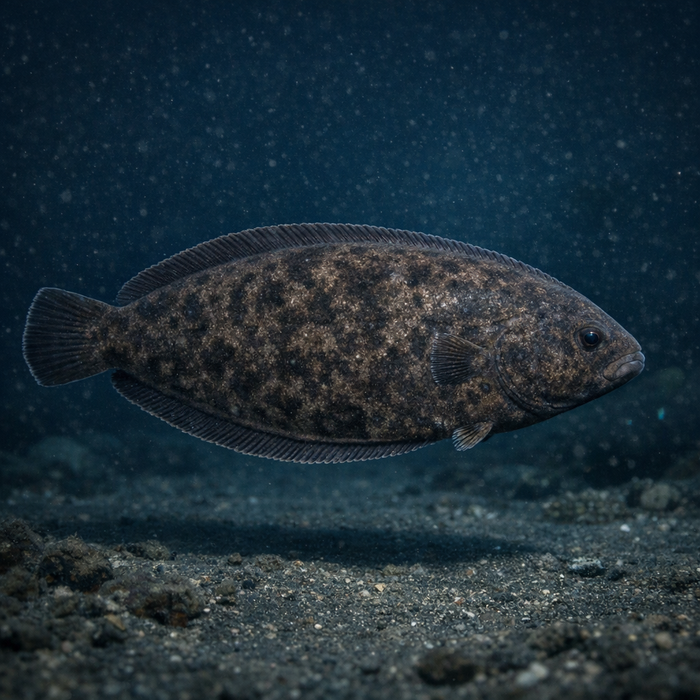
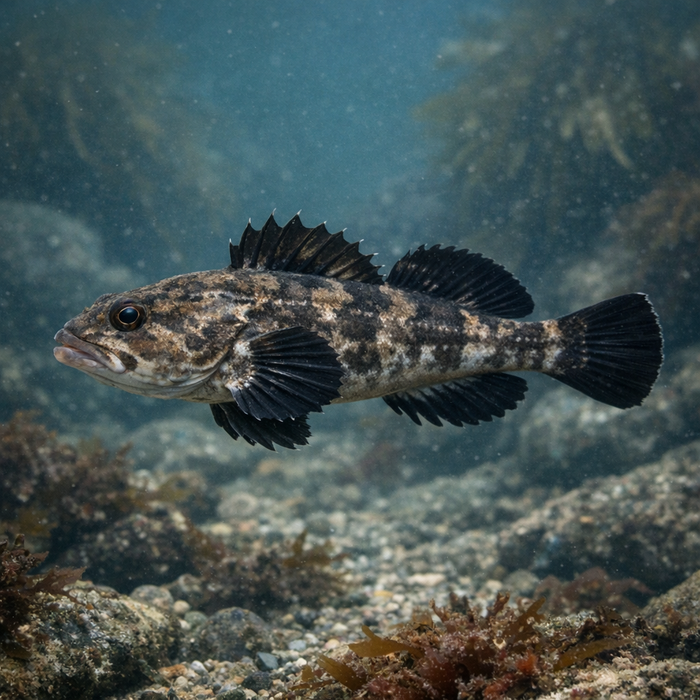
Pacific Deepwater Flounder (Monolene maculipinna): Tiny flatfish, big depths, zero dramaIntroductionThe Pacific deepwater flounder is the kind of fish you only meet if you're stubborn, curious, or working the slope. It's a miniature flatfish with a low profile and a higher mystery quotient, riding those dim, muddy contours where sonar gets fuzzy and patience is non-negotiable. If you've ever deep-dropped for sablefish or thornyheads and reeled up a speckled doormat the size of your hand, you've likely met this species. Welcome to a rabbit hole of weirdness and subtlety.What Makes the Pacific deepwater flounder Unique?First, size. This is a small Bothid, usually 5 to 9 inches, built like a postage stamp engineered for mud. Second, the look. The name maculipinna means "spotted fin," and the fins really are dappled like pepper on parchment. Finally, the lifestyle. The Pacific deepwater flounder spends its time in the quiet lane, hugging soft sediments on the continental slope, where energy conservation matters more than speed. It's not flashy, but it is perfectly tuned for low-light living, which is why it fascinates deep-drop nerds and fish biologists alike.Habitat & Global RangeIf you're hunting Pacific deepwater flounder habitat, think deep continental slope with soft mud and silt, usually well beyond normal weekend depths. It's a denizen of the Northeast Pacific's submarine canyons, basins, and muddy fans. You're working offshore, often 600 to 2,500 feet, in currents that stroll rather than sprint. These fish aren't pinned to rocks or wrecks. They prefer the broad, soft-bottom expanses that swallow lead and reward patience. That's the stage where you will compile your own Pacific deepwater flounder facts the hard way.Behavior & TemperamentOn the aggression scale, this species is chill. It ambushes rather than chases and moves with ribbon-like undulations to reposition on bottom. It's not a fast sprinter, but it's a world-class vanisher, melting into that soot-and-sand palette like it invented grayscale. Solitary by vibe, loosely tolerant by necessity, the Pacific deepwater flounder lets the buffet come to it: settling, waiting, then nipping upward at whatever drifts inches above the floor. Hook one and you'll feel the classic deepwater pulse: a shrug, a throb, then mostly weight.Ecological ImportanceThe Pacific deepwater flounder is a small but steady cog in the slope's food web. It converts tiny benthic life into fish protein and then pays the toll as prey for larger demersal predators. Its camouflage and bottom-hugging routine are less about drama and more about continuity. In a realm where growth is slow and mistakes are expensive, this fish is a specialist that keeps the deep shelf honest.Conservation & Environmental PressuresYou won't see protest signs for the Pacific deepwater flounder, but deepwater habitats aren't bulletproof. Bottom-contact gear, climate-driven shifts in oxygen and temperature, and localized hotspots of effort can reshape slope communities. The species isn't a marquee commercial target, which helps. Still, any animal that lives deep and grows small benefits from careful bycatch handling and a light footprint. Data is thinner offshore, so trends can hide in plain sight.The FishyAF TakeThe Pacific deepwater flounder is a connoisseur's species. It won't peel drag, it won't photobomb your grip-and-grin, and that's the point. If you're deep-dropping with tidy rigs and fine-tuned sensitivity, this fish is proof your system works. It's the whisper at the end of the line that says you're reading the slope correctly. Collect a couple of crisp photos, admire the speckled fins, and slide it back. Some catches are more about the story than the scale, and this one is all deep, dark margins and quiet satisfaction.