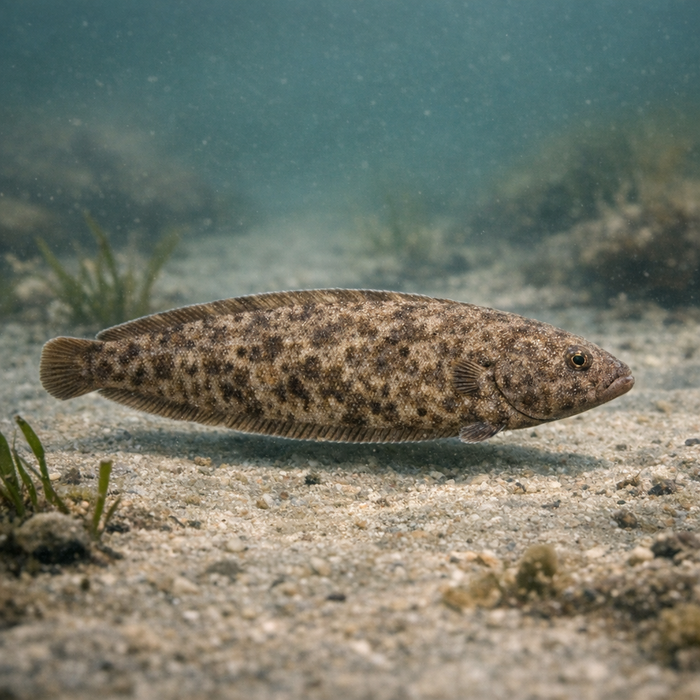
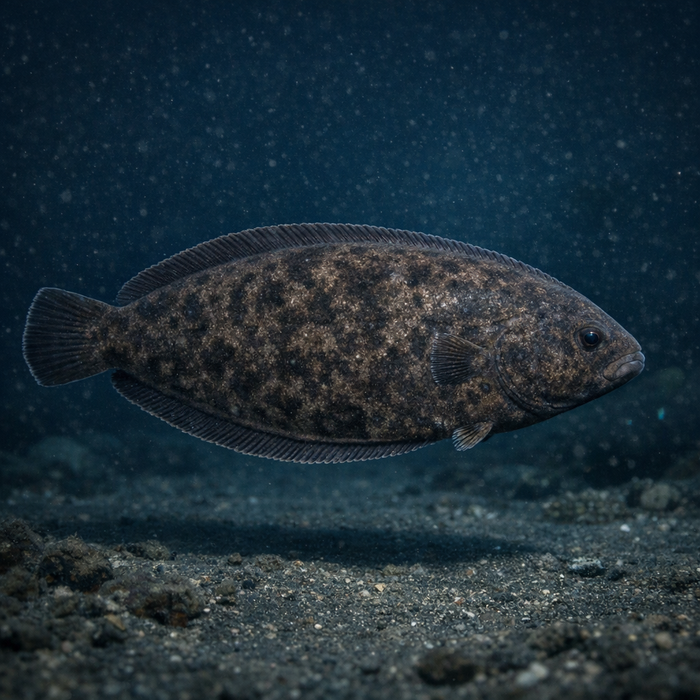
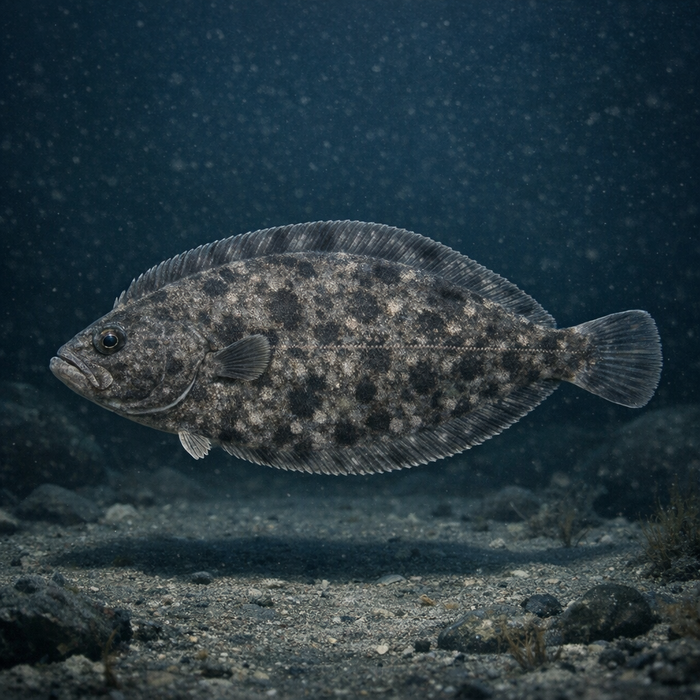
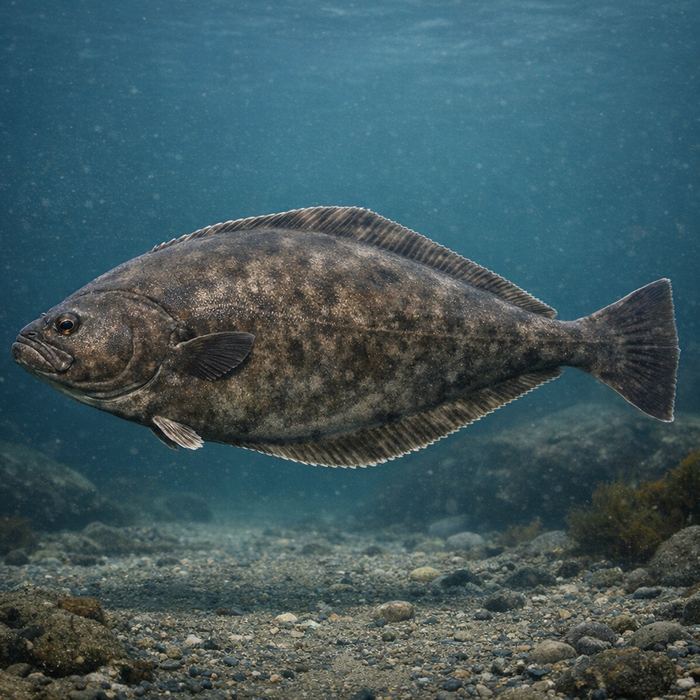
Deepwater Tonguefish (Symphurus piger): A Bold, Memorable Hook LineIntroductionIf you're into weird, wonderful denizens of the deep, the deepwater tonguefish is your tiny, flat, pointy-tailed spirit animal. It's a micro-flatfish built like a living leaf, more glide than muscle, and it rules the mud way below where sunlight dies. You won't see it cruising a beach or flashing on a reef. But if your rig touches soft slope bottom in serious depth, this species might sneak onto your hooks like a napkin in a breeze. Consider this your stash of Deepwater tonguefish facts before the next deep-drop run.What Makes the Deepwater tonguefish Unique?First, the design. The deepwater tonguefish is a left-eyed flatfish, with both eyes parked on one side and a profile as thin as a credit card. It ditches the normal fish blueprint entirely: no pectoral or pelvic fins, plus a dorsal, anal, and caudal fin that fuse into a single continuous fringe. The tail doesn't fan; it tapers to a sharp point. That shape lets it slide over, and then straight into, soft mud. Second, it's small. Most fish are in the 5 to 9 inch class. This isn't a grip-and-grin hero; it's a deepwater oddball that rewards curiosity and precise bottom contact.Habitat & Global RangeTalking Deepwater tonguefish habitat means thinking deep and soft. Picture outer continental shelf edges, slope muds, and canyon aprons where current moves fine sediment but doesn't scour it clean. This species shows up across the tropical to warm-temperate western Atlantic, with consistent encounters along the U.S. Southeast, Gulf of Mexico, and Caribbean basin. Exact depth bands vary, but it's a creature of darkness and pressure, not daylight tides or shoreline structure. If your sinker thumps pudding and your rod hums from current, you're in the neighborhood.Behavior & TemperamentDeepwater tonguefish are stealth operators. They cruise inches above bottom, then melt into sediment with a few ripples. Aggression isn't the play here; efficiency is. They key on tiny invertebrates and scraps, tracking micro-vibrations and scent in the boundary layer where mud meets water. When hooked, they don't brawl. Expect a faint flutter, not fireworks, then a surprise reveal on deck as a paper-thin fish clings to the line. For anglers, success is all about maintaining bottom contact, downsizing hooks, and keeping baits small enough for a tiny, offset mouth.Ecological ImportanceSmall doesn't mean insignificant. The deepwater tonguefish helps shuttle energy from mud-dwelling invertebrates up the food chain. Larger slope predators, from tilefish to grenadiers, eat slim fish like this whenever they can catch them. As a sediment specialist, it also says a lot about bottom condition. Healthy, oxygenated mud with the right grain size and organic load supports tonguefish populations; trawled-to-concrete or hypoxic bottom rarely does. So when you haul one up, you're getting a bio-postcard from a part of the ocean most people never see.Conservation & Environmental PressuresNo alarm bells are ringing specifically for Symphurus piger, but deep habitats are not invincible. Bottom-contact gear can scrape soft sediments into hardpan, and chronic hypoxia from nutrient runoff can sterilize entire swaths of slope. Hydrocarbon activities and pipeline corridors add disturbance. Climate-driven shifts in oxygen minimum zones may also squeeze habitable layers. The good news: this species isn't a high-target fishery item. The bad news: if you hammer the mud or choke the water, specialized residents like the deepwater tonguefish fade fast.The FishyAF TakeThe deepwater tonguefish is not glamorous, but it's pure character. It's a litmus test for anglers who care about the whole ocean, not just the poster fish. If you're deep-dropping and dial your rigs small, you'll occasionally stick one and earn a head-tilt from your crew. Log it, learn from it, and maybe snap a photo for your personal field guide. When it comes to oddballs, the deepwater tonguefish delivers. And if someone asks for Deepwater tonguefish facts, you can say: tiny, leaf-shaped, mud ninja, and weirdly satisfying to check off the list.