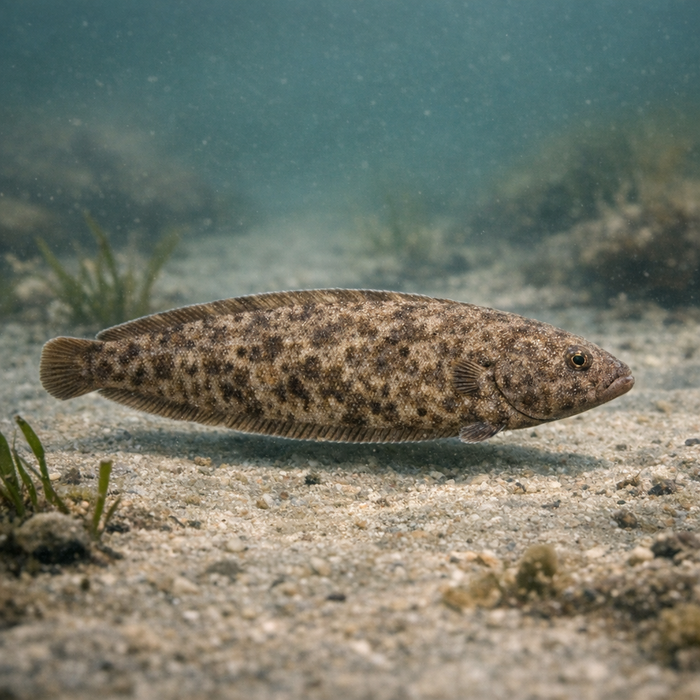
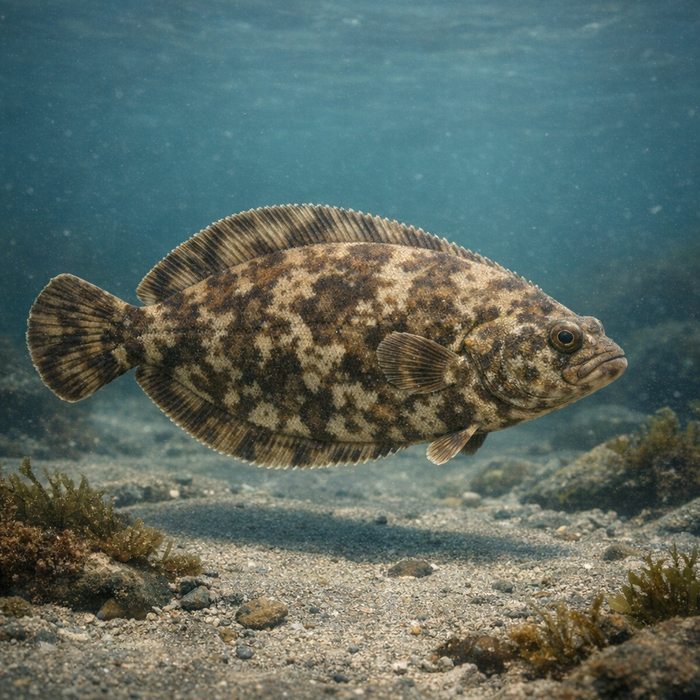
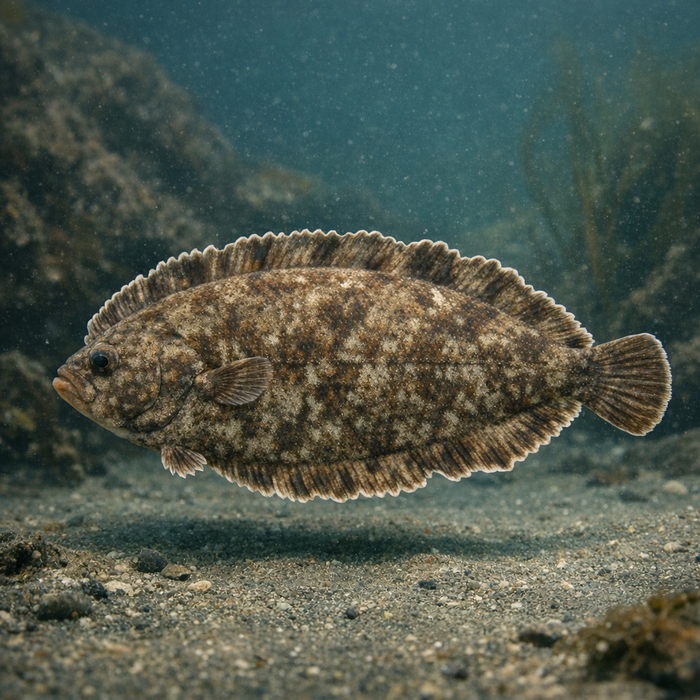
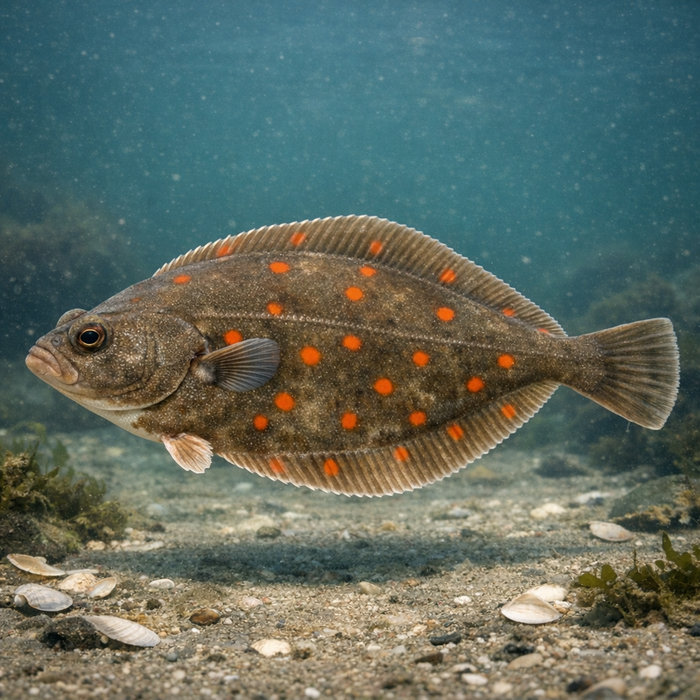
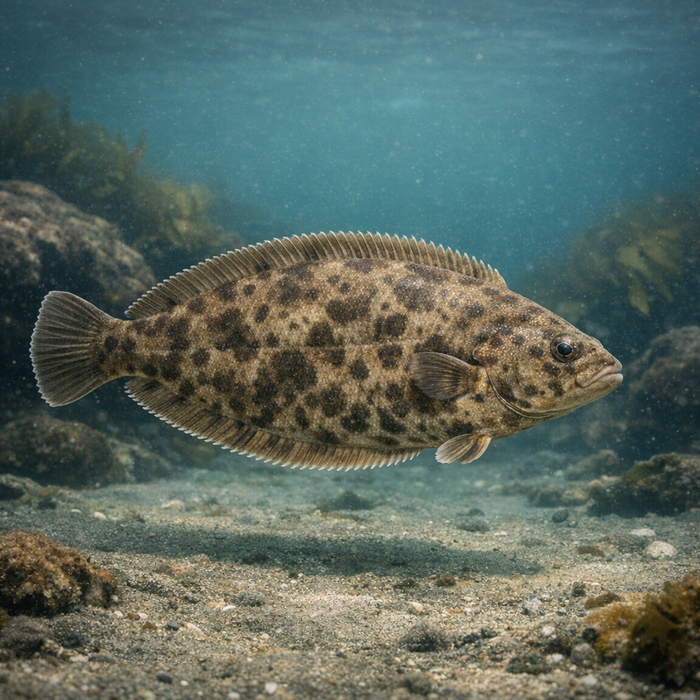
Spotfin Tonguefish (Symphurus oligomerus): Sand Ninja With A Decoy Tail SpotIntroductionThe spotfin tonguefish is the wallflower of the flats that keeps winning hide-and-seek. Small, wafer-thin, and glued to the bottom, it slips under a dusting of sand so fast you'd swear it teleported. Anglers rarely target it on purpose, yet it's an undeniably cool critter once you spot the namesake fin marking and realize you're looking at a highly specialized ambush artist. Here's your dose of Spotfin tonguefish facts, minus the sleepy lecture vibe.What Makes the Spotfin tonguefish Unique?Start with the blueprint: eyes on the left side, body shaped like a leaf, and a single continuous fin fringe that runs head to tail. That's tonguefish engineering. The spotfin tonguefish doubles down with a distinctive dark spot on the tail region that works like a fake eye. Predators lunge for the wrong end; the fish darts the other way under the sand. The scientific name Symphurus oligomerus hints at pared-down fin-ray counts, a subtle anatomical quirk that helps separate it from its cousins. With a tiny, off-center mouth and stealth-driven posture, it's built to vacuum micro-prey from soft bottom like a Roomba with fins.Habitat & Global RangeThink coastal shallows, sandy lanes, and muddy pockets in bays, surf edges, and sheltered estuaries. The spotfin tonguefish thrives where wave-washed sand meets slower, silty channels. Current matters, but not chaos; gentle movement brings food without flipping the fish like a tortilla. While exact range maps vary by source, the species fits the tropical to subtropical inshore scene, thriving on soft substrates far more than rocky reefs. If you're scouting Spotfin tonguefish habitat, ignore the flashy structure and hunt the quiet sand.Behavior & TemperamentCall it mellow with bursts. Most of the time, the spotfin tonguefish lies flat, blending in, eyes just proud of the substrate. When a scurrying shrimp or worm gets too close, it pulses forward with a fast ripple of that continuous fin, inhales, and settles back down. Startle it, and you'll see the sand puff, the decoy spot flash, and then nothing. They're not schoolers in the classic sense, but loose clusters can stack up where food funnels across soft bottom. Bites are taps, not train wrecks. On tiny hooks, expect short, wiggly fights with quick headshakes.Ecological ImportanceSmall flatfish like the spotfin tonguefish convert tiny invertebrates into calories usable by larger predators. They're a key rung on the coastal food ladder. Their sand-sifting lifestyle also helps churn the top layer of sediment, a micro tilling that keeps benthic life humming. If the marsh-to-surf conveyor belt of nutrients has moving parts, species like this are its gears. They don't headline fishing magazines, but ecosystems notice when they're missing.Conservation & Environmental PressuresDirect fishing pressure is minimal because few anglers target them and commercial interest is limited. Indirect pressures loom larger: estuary degradation, sediment contamination, shoreline hardening, and hypoxic events that smother bottom life. Because the spotfin tonguefish is a bottom hugger, anything that toxifies or destabilizes sediments hits home first. Most listings put it outside formal threat categories, but that's more about low data than bulletproof resilience.The FishyAF TakeNo, the spotfin tonguefish won't spool you or photobomb your trophy log. But it's a masterclass in specialization. It wears the bottom like a custom suit, brandishes a tail-spot decoy, and hoovers the microfauna others ignore. If your fishing brain only values drag-peelers, you'll miss the whole stealth genre. Flip that script: scale down, work the sand lanes, and appreciate what it takes to vanish in plain sight. The spotfin tonguefish makes the simple water interesting. And that's a win in our book for anyone who actually likes fishing, not just catching.