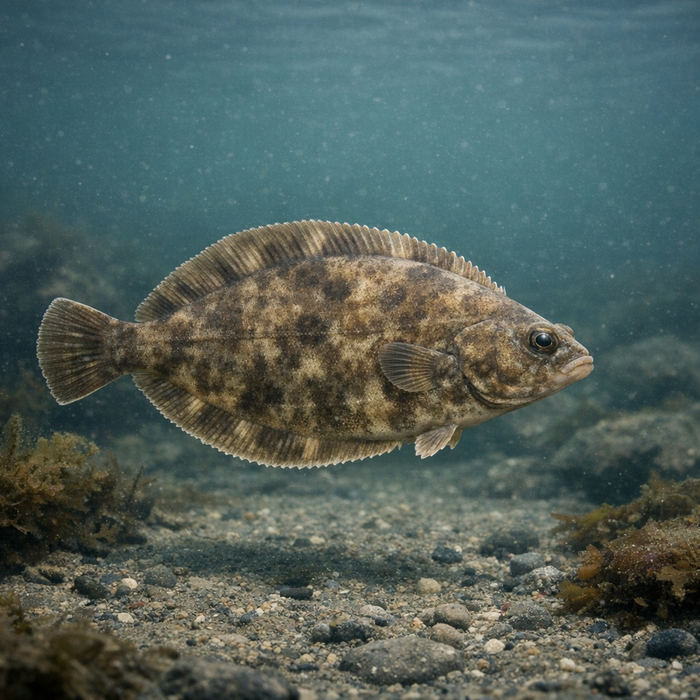
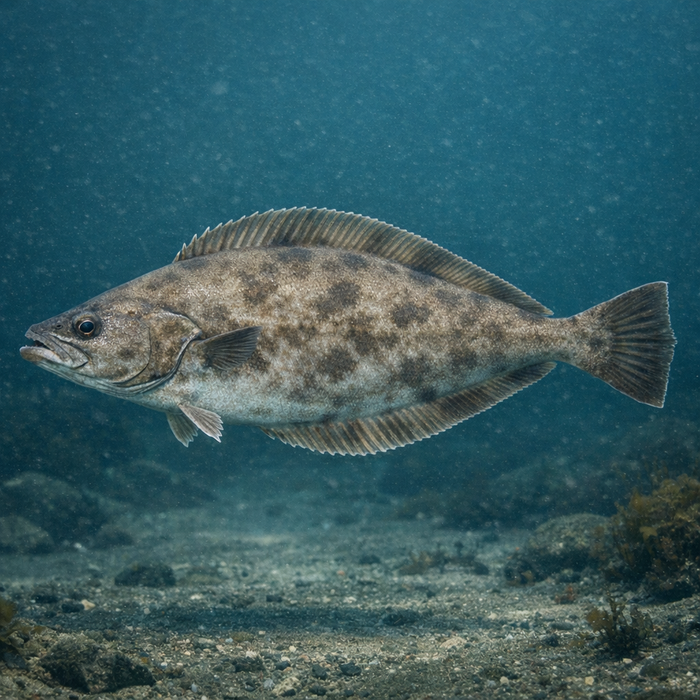
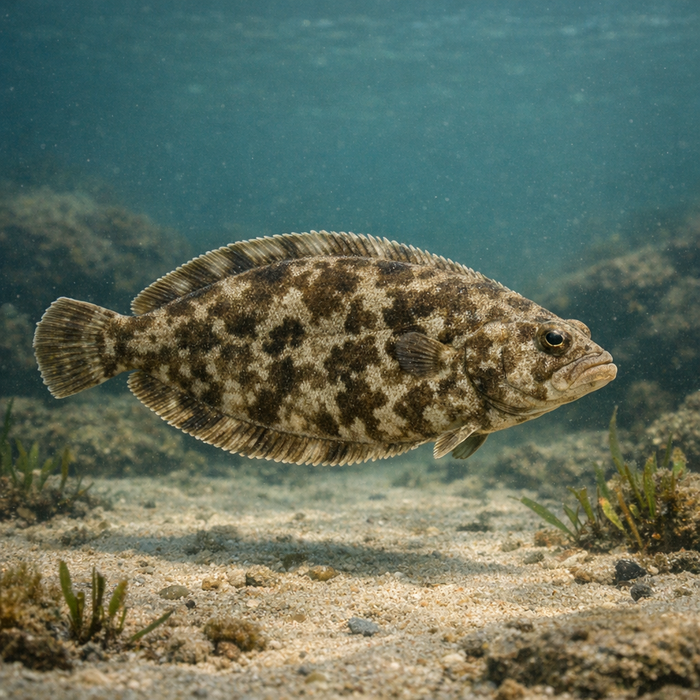
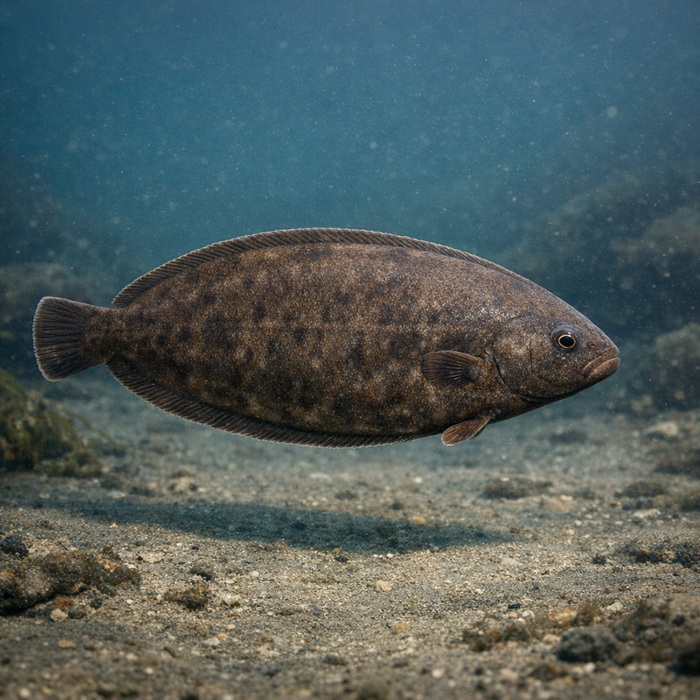
Smallfin Tonguefish (Symphurus microlepis): A wafer-thin bottom ninja with a ribbon for a tail.IntroductionIf you like your fish weird, the smallfin tonguefish delivers. This tiny flatfish looks like a bookmark someone dropped in the mud, then brought to life. It slides along the bottom, vanishes in a flick of silt, and eyes the world from one side only. Anglers usually meet it by accident while soaking bait for anything else. But ignore it and you miss a masterclass in stealth. If you came here for straight-shooting Smallfin tonguefish facts with a dash of attitude, you are in the right mudflat.What Makes the Smallfin tonguefish Unique?Start with the hardware. The smallfin tonguefish has no pectoral or pelvic fins at all, and the tail is fused into one continuous fin ribbon with the dorsal and anal fins. It is permanently left-eyed, so both eyes ride the same side, letting it watch the world while mostly buried. The mouth is tiny, a precision tool for vacuuming micro-prey from silt. Those design choices make it a specialist: not fast, not flashy, but ridiculously efficient at hugging bottom and staying invisible.Habitat & Global RangeWhen anglers ask about Smallfin tonguefish habitat, point them to the soft stuff. Mud, silt, and fine sand along protected coasts, estuaries, and quiet bays are home base. Think channels edging marsh grass, inside bends of tidal creeks, and silty depressions near oyster and seagrass seams. The western Atlantic and Gulf shores supply plenty of real estate, and warm, shallow water does the rest. It is not a surf sprinter or reef climber. It is a low-profile specialist that uses gentle currents and subtle bottom texture like cover.Behavior & TemperamentThe smallfin tonguefish plays the ghost. It buries fast, moves in slow undulations, and feeds with minimal fuss. Activity bumps at night and during tide turns when current slack lets it maneuver without getting tumbled. It will not blitz bait or chase surface foam. Instead, it works inches from the deck, nibbling opportunities that drift within reach. Hook one and you will not get hero runs. The fight feels like you snagged a leaf with opinions.Ecological ImportanceUnder the radar does not mean unimportant. The smallfin tonguefish links mudflat invertebrates to bigger predators that root around estuaries. It recycles energy otherwise locked in worm tubes and burrows, and it helps spread predation pressure across the benthos. That cryptic lifestyle also makes it a great indicator of bottom quality. Where the silt is healthy, you find a tight little web of fishes like this keeping the system humming.Conservation & Environmental PressuresMost pressure comes indirectly. Shrimp trawls scoop smallfin tonguefish as bycatch. Shoreline hardening removes the silty edges they prefer. Sediment runoff and low oxygen swings can push them out of skinny creeks. Are they collapsing? No. But small fish with specialized tastes feel habitat changes early. Better water management, smarter bycatch reduction, and intact marsh margins keep the lights on for specialists like this.The FishyAF TakeThe smallfin tonguefish will never headline a tournament. Good. That leaves space for anglers who appreciate the odd and the overlooked. Want a challenge? Rig down, think tiny, and hunt quietly along the mud seams. You will learn more about current, substrate, and micro-movements in one tide than a month of blind casting. The smallfin tonguefish is a humble teacher: patient, precise, and allergic to drama. If you want to actually understand the bottom, spend a tide with this little ribbon and take notes. That is the kind of Smallfin tonguefish facts that pay off anywhere.