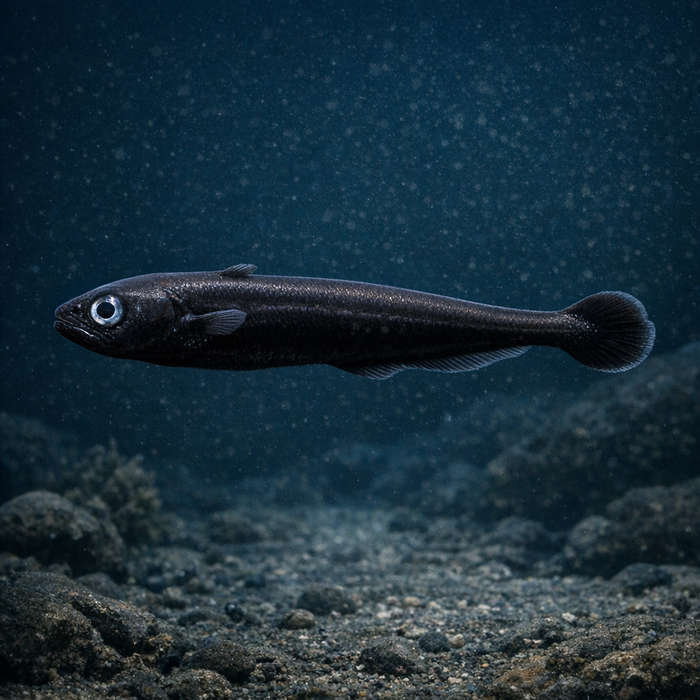
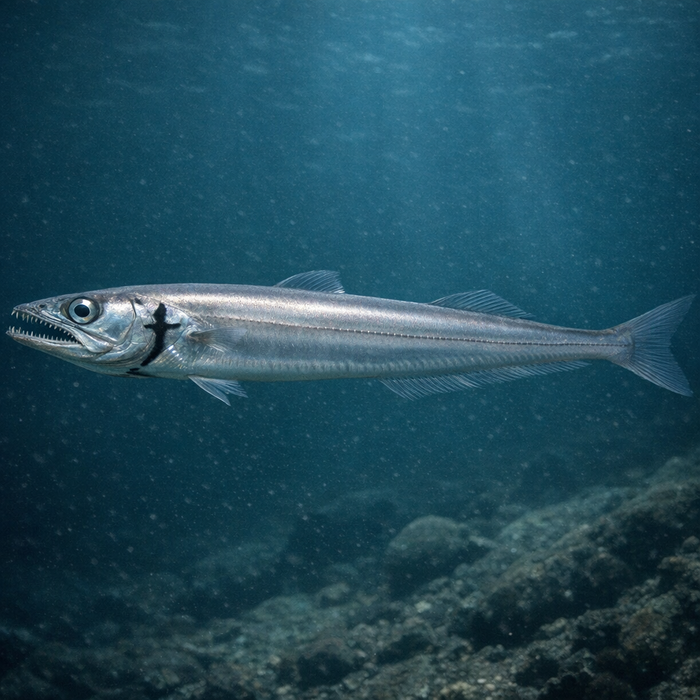
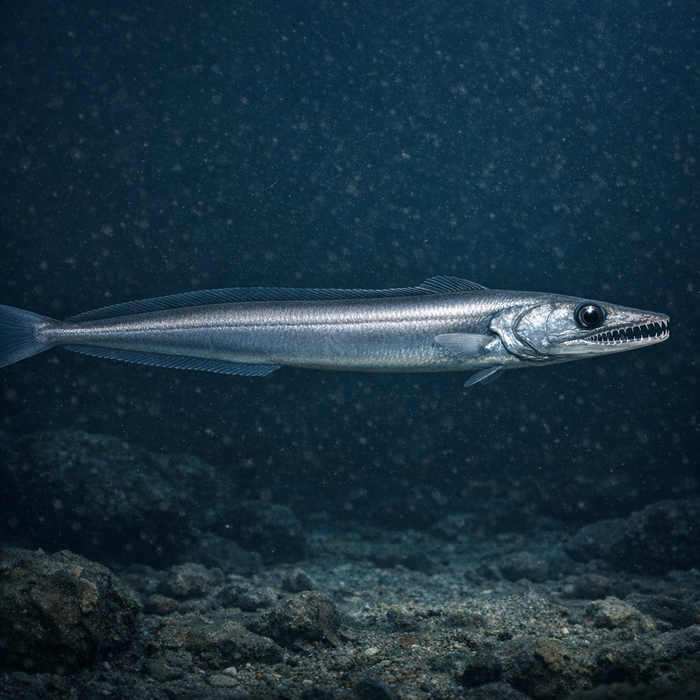
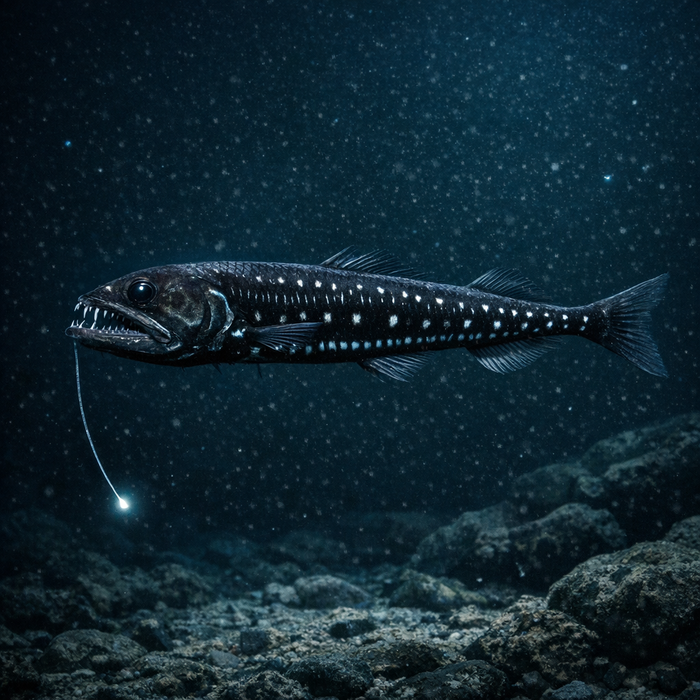
Pelican Eel (Eurypharynx pelecanoides): Deep-Sea Gulper With A Built-In GlowstickIntroductionThe pelican eel looks like a cartoon villain drawn in the dark: umbrella mouth, matchstick body, and a glowing tail. It's one of the ocean's strangest predators, a midwater ambush artist shaped by pressure, darkness, and long odds between meals. If you've ever chased weird fish facts for the sheer joy of it, pelican eel facts are the gold standard. You won't see one cruising the pier lights, but this twilight gulping machine is unforgettable once it's lodged in your brain.What Makes the Pelican eel Unique?Start with the mouth. The pelican eel's skull and jaw hinge let it unspool a jaw far wider than its own body, ballooning into a black umbrella that vacuums in unlucky prey. Backing that up is a stretch-to-fit stomach that can stash a jackpot meal for days. Then there's the tail, tipped with a pink bioluminescent lure that can flicker and pulse. In a place where light is currency, that glowstick is a marketing campaign fish and shrimp can't resist. Add in minimal muscle, reduced bones, and jet-black velvet skin, and you've got one of the most efficient ambush rigs in the deep.Habitat & Global RangeWhen anglers ask about pelican eel habitat, the answer is simple and brutal: deep water, open ocean. The species patrols the bathypelagic and upper abyss, generally hundreds to thousands of meters down along continental slopes, submarine canyons, and deep seamount flanks. It's circumglobal in tropical to temperate waters, a shadow in the midwater haze where sunlight never reaches. Some individuals may ride the nightly movement of the deep scattering layer, creeping upward under cover of darkness, but don't expect them to mug for a surface spotlight.Behavior & TemperamentThe pelican eel isn't a sprinter or a brawler. It's an opportunist. That light-tipped tail draws attention; the eel hangs like a comma in the water, then detonates its mouth and lets physics handle the rest. Eyes are small and tuned for weak light and motion rather than crisp images. They're probably solitary, quietly cruising for shrimp, small fishes, and whatever drifts close enough for the big inhale. If one ever does hit your deep-drop bait, don't expect fireworks. Expect weird.Ecological ImportanceMidwater predators like the pelican eel are gears in the deep-sea conveyor belt that moves energy downward. They turn swarms of crustaceans and small fishes into calories for larger deep-sea hunters, and, eventually, into carbon that sinks out of play. In a realm where resources are scarce and fragile, every role matters. The eel's glow, its massive gulp, even its slow metabolism are all strategies that shape who eats whom in the dark.Conservation & Environmental PressuresData on population trends is thin, which is normal for deep-sea fauna. Still, the pressure is building topside. Deep-sea trawling can slice through midwater communities. Emerging seafloor mining ambitions threaten nearby ecosystems, and climate-driven deoxygenation and warming may squeeze already narrow comfort zones. Plastics and microfibers are turning up where they were never meant to be. While the pelican eel isn't a standard bycatch in recreational fisheries, industrial gears and environmental change can still bump a creature that relies on long, quiet stretches between meals.The FishyAF TakeNobody is chartering weekends to "limit out" on pelican eels. Good. Let the abyss keep a few secrets. If you deep-drop over a canyon and something alien with a glowing tail shows up on camera or hook, consider yourself lucky and keep your hands gentle. The pelican eel is an edge-case marvel: a lantern-tipped vacuum with a parachute for a face. You don't target it. You respect it, log the sighting, maybe get a photo, and send the midnight monster back to the dark where it belongs.