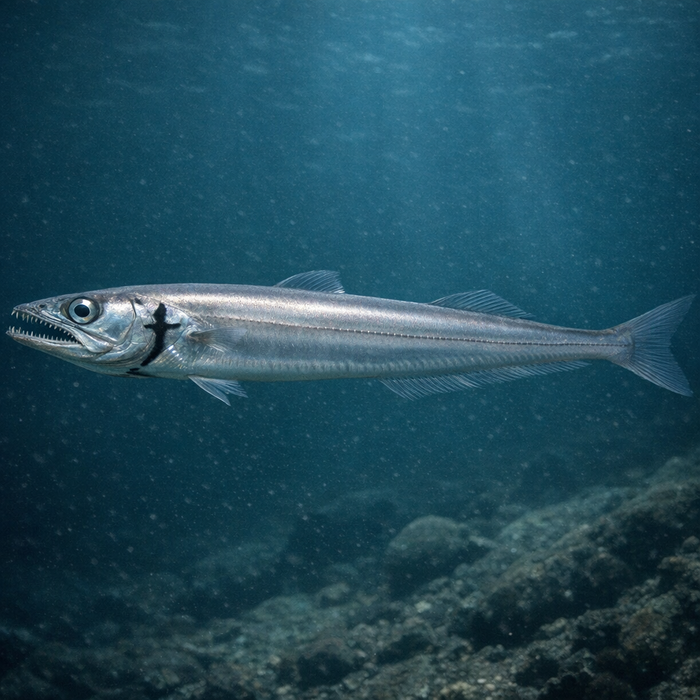
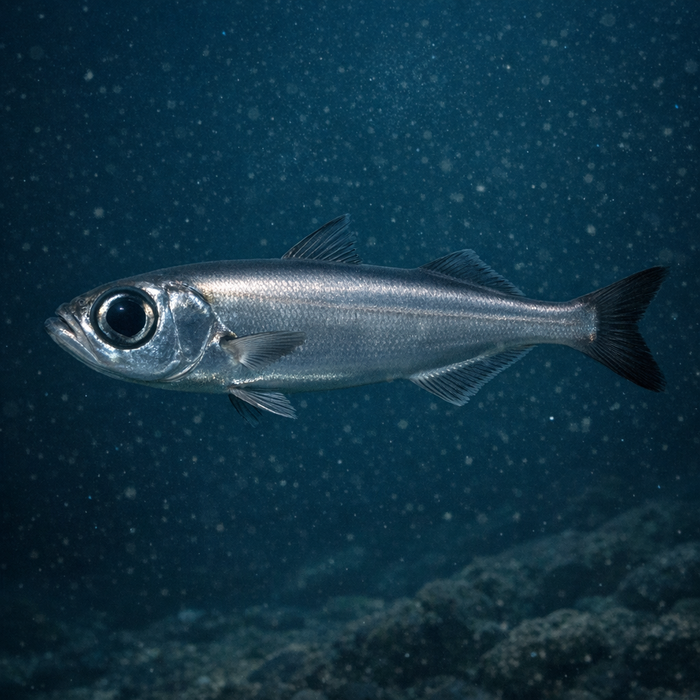
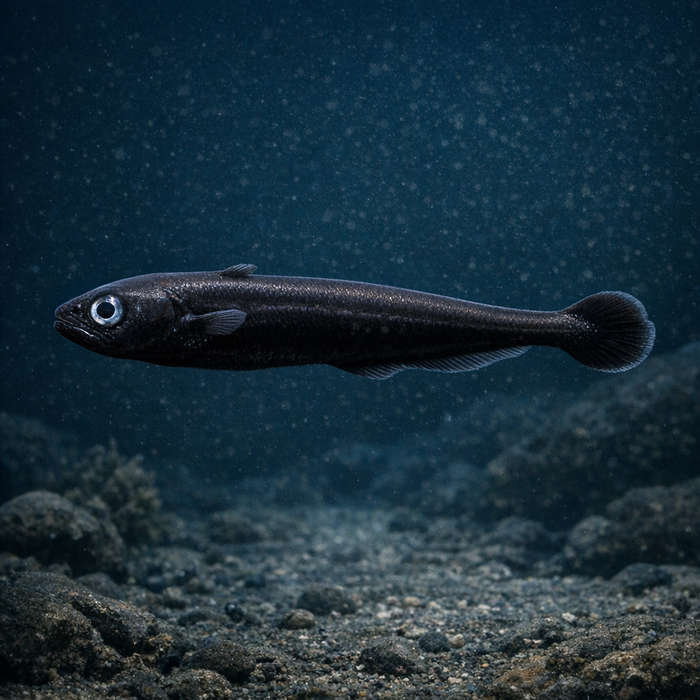
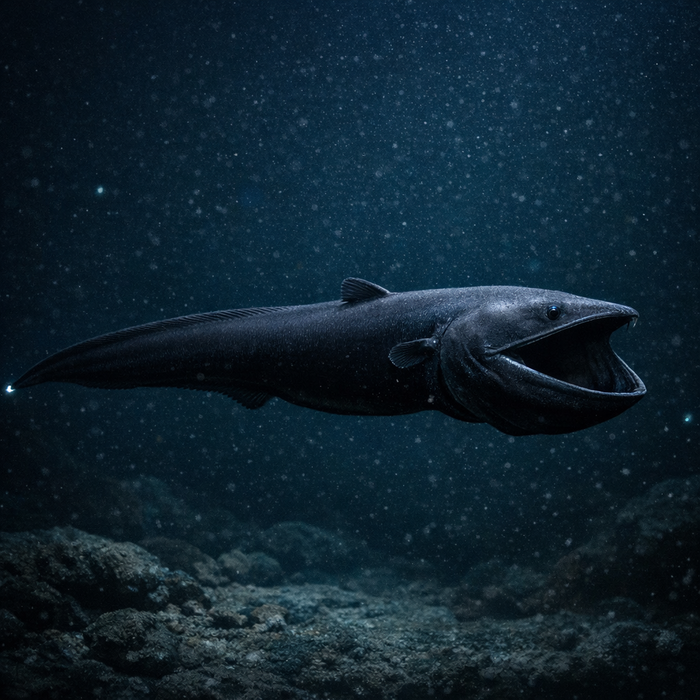
Sawtooth Eel (Serrivomer sector): Teeth Like A Zipper, Attitude From The AbyssIntroductionIf you're looking for a fish that screams deep-ocean weirdness, the sawtooth eel delivers. Needle-thin, zipper-toothed, and built for darkness, this eel shows up in the kind of depths where your phone loses signal at launch. It's not a classic sportfish, but it's the kind of bycatch that makes deep-droppers stare and say, what is that thing? Consider this your quick hit of sawtooth eel facts, minus the lab coat.What Makes the Sawtooth Eel Unique?Start with the obvious: the teeth. The sawtooth eel isn't named for subtlety. Its jaws carry long rows of interlocking, scalpel-sharp teeth that look like someone grafted a hacksaw into an eel. Those teeth meet in a narrow, overextended gape designed to pin slippery midwater prey. Second, the body plan is extreme. Serrivomer sector is a flexible, ribbonlike predator with a lightweight skeleton and a throat that can open far wider than you'd expect. It's a midwater mugger that can inhale food nearly its own girth. Finally, fragility. Skin like wet tissue, delicate jaws, and pressure-sensitive organs make handling a bad idea. These things are built for the deep, not your deck.Habitat & Global RangeNow to the setting. Think steep continental slopes, submarine canyons, and open-ocean voids. The sawtooth eel habitat is the mesopelagic to bathypelagic zone, commonly hundreds to thousands of feet down. This species rides the night shift, moving upward under cover of darkness and sinking back before daylight. It's a global drifter in temperate and tropical oceans, not married to reefs or structures like your usual nearshore targets. If you're offshore deep dropping for tilefish or sword baits and a slender, silver-brown zipper-mouth arrives, you've met the neighborhood oddball.Behavior & TemperamentThe sawtooth eel is no brawler. Hook one and you'll get twisting, spinning, and knot-making-more escape artist than slugger. It's a stealth predator that patrols dim layers for lanternfish and squid. Current lines and light levels matter more than bottom relief. Expect activity bumps at night or in full darkness. These aren't schooling fish in the classic sense, but in the deep, food patches concentrate life; where your sounder shows midwater bait, a sawtooth eel might be ghosting the edge.Ecological ImportanceThis isn't just a weird face with dental drama. The sawtooth eel moves energy between deep zones through vertical migrations and opportunistic feeding. It snacks on mesopelagic fishes and squid, then gets recycled by larger predators, from bigger eels to sharks and tunas. In other words, the sawtooth eel is part of the conveyor belt that runs the deep sea-mid-level predator, frequent meal for bigger beasts, and a participant in that nightly oceanic elevator.Conservation & Environmental PressuresYou won't find targeted recreational pressure, and commercial interest is passing at best. The bigger risks are indirect: deep-sea bycatch, expanding industrial fishing into darker waters, and climate-driven changes in oxygen and temperature layers that shuffle the midwater deck. Data for Serrivomer sector are patchy. Call the status not evaluated, keep an eye on the slope fisheries, and remember that deep-sea species often recover slowly from heavy, indiscriminate effort.The FishyAF TakeThe sawtooth eel is pure deep-sea mood. It's the fish that turns a late-night deep drop into a campfire story. Don't expect a hard fight or a heroic photo. Expect a fragile, otherworldly predator that proves how weird the open ocean gets when the sun can't follow. If you absolutely must interact, dehook carefully, keep it wet, and send it home fast. The best sawtooth eel facts aren't about tackle anyway-they're about mystery. The deep makes its own rules, and the sawtooth eel is one of its pointiest reminders.