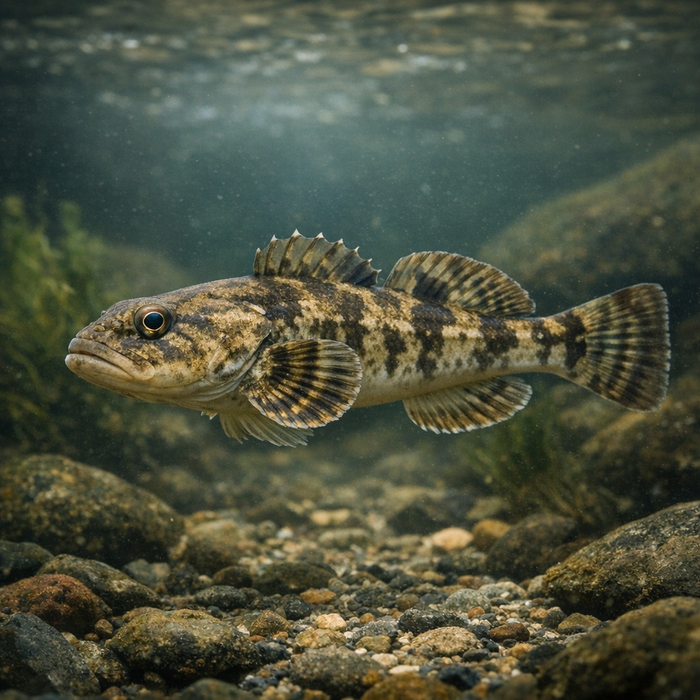
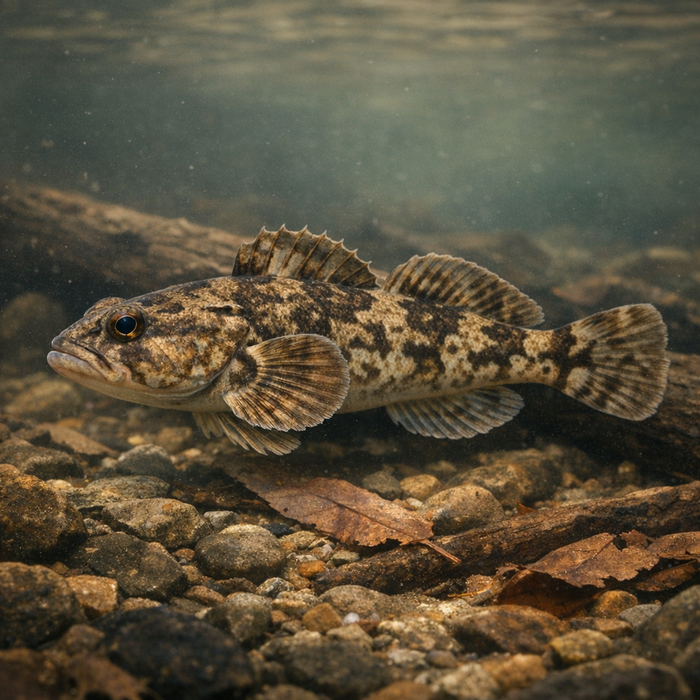
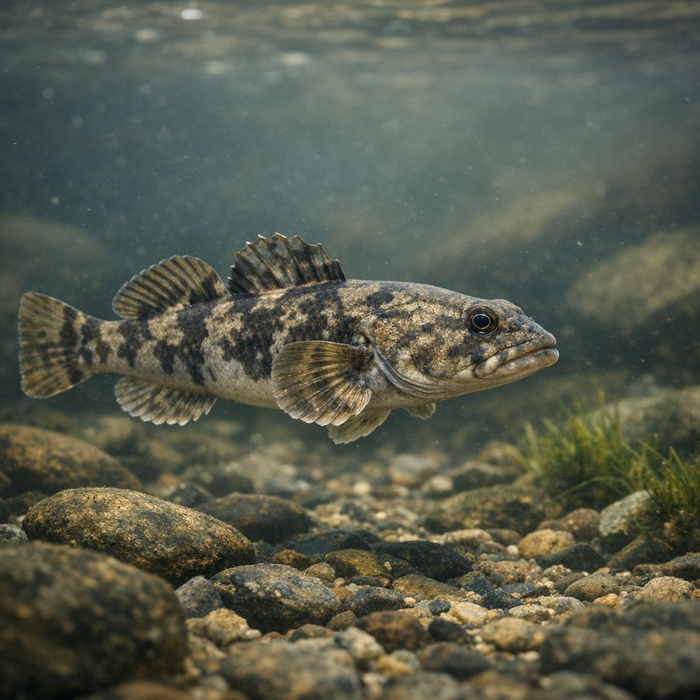
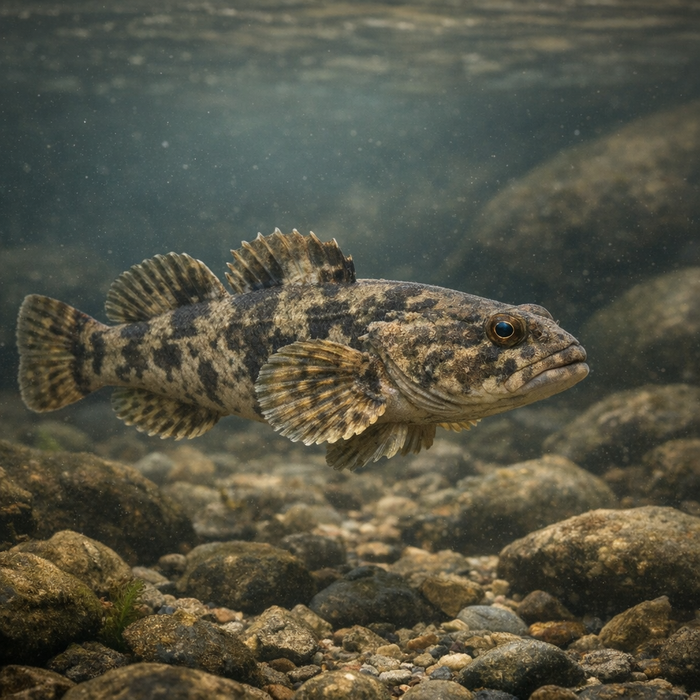
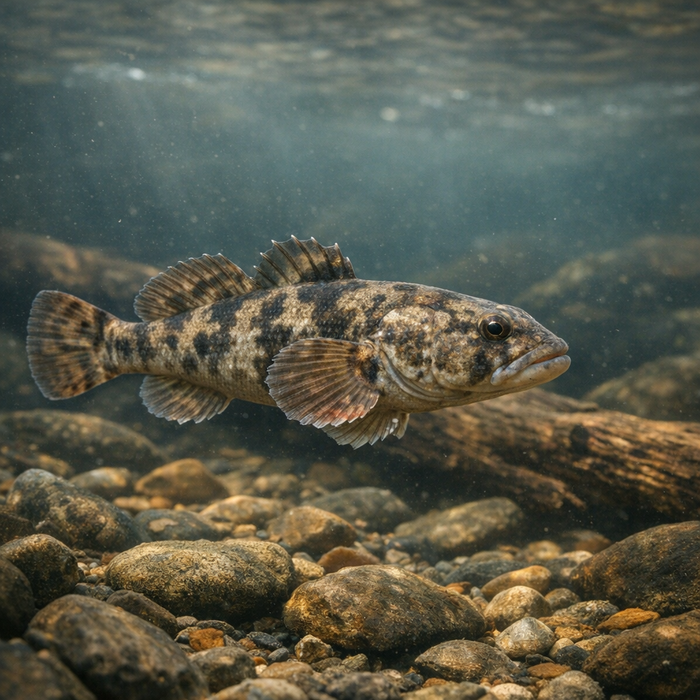
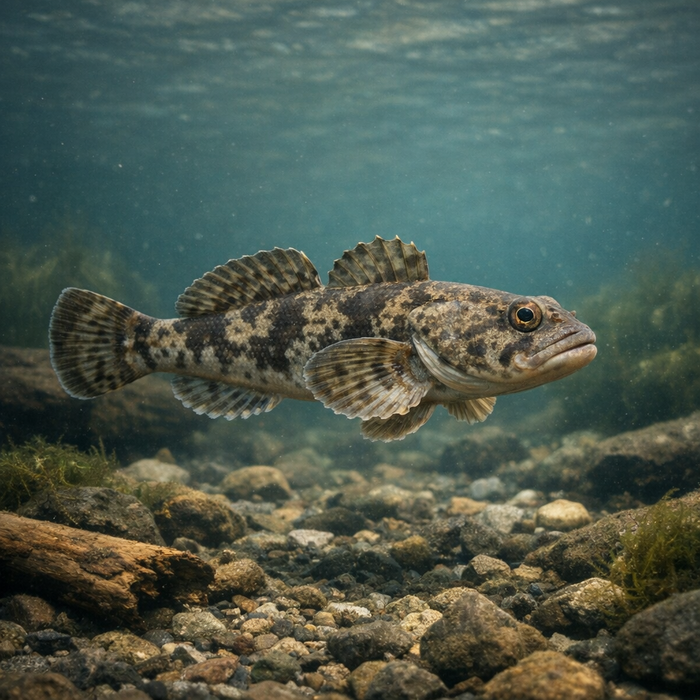
Prickly Sculpin (Cottus asper): A Bold, Memorable Hook LineIntroductionThe prickly sculpin is the scrappy little brawler glued to the rocks under your feet. It won't tail-walk, it won't peel drag, and it absolutely will not leave the bottom. But if your rig taps gravel, odds are good a prickly sculpin is eyeballing it with a big head, tiny tail, and zero shame. Consider this your crash course in prickly sculpin facts and smart, boots-on-the-bank knowledge.What Makes the Prickly sculpin Unique?First, no swim bladder. That quirk pins them to the substrate like living paperweights, perfectly built for ambush feeds in current and waves. Second, the namesake prickles and cheek spines. They're not exactly dangerous, but you'll only grab one barehanded twice. Third, they're surprisingly adaptable. Some populations wander between freshwater and brackish estuaries, then push back upstream to spawn. You get a fish equally at home in a mountain stream, a city lake, or the tufted edge of a tidal slough.Habitat & Global RangeThe prickly sculpin runs the Pacific slope from Alaska down the West Coast, with strongholds in rocky streams, lake margins, and quiet backwaters off big rivers. If the spot has cobble, rubble, or broken wood and stays cool enough, it's sculpin country. They use undercut banks, riprap, and log tangles like apartments. In lakes and reservoirs, they cruise the first drop and the inside weedline after dark. In brackish zones, think channel edges, oyster shell, and mud-into-gravel seams. Water seldom needs to be deep; two to eight feet with nearby cover is plenty. That mix of options explains why "Prickly sculpin habitat" is a broad phrase that still points you straight to the bottom.Behavior & TemperamentThe prickly sculpin is a night-shift hunter. Dusk flips the feeding switch, and they prowl with oversized pectoral fins acting like parking brakes. Picture short dashes, then dead stops. They hit what's easy: aquatic insects, amphipods, small crayfish, and the occasional unwary minnow or salmon egg. They won't chase far; present it near their nose or go home. During spawning, males claim caves under rocks or boards and fan eggs from multiple females, guarding like bulldogs.Ecological ImportanceFor their size, these fish move a lot of energy. They vacuum up invertebrates and small fish, then hand that protein to trout, salmon, char, and birds. Juvenile salmonids sometimes eat sculpin fry; larger salmonids flip the script and eat adult sculpin. That two-way street ties prickly sculpin to broader river health. Where you've got a stable sculpin population, you often have clean gravel, intact flows, and decent shade. Lose the cobble, lose the current, and you'll notice the sculpin vanish with the bugs.Conservation & Environmental PressuresOverall, prickly sculpin are doing fine, but they're not bulletproof. Siltation fills the cracks they need for cover and nesting. Warm, stagnant water knocks back oxygen and the cold-water prey they rely on. Urban pollutants also stack up in lowland lakes and sloughs. Estuary users face an extra layer of pressure from shoreline hardening and altered flows that flatten out their feeding edges. The species isn't headline news, yet it quietly signals the condition of small-water habitat that supports a lot of beloved gamefish.The FishyAF TakeNo, the prickly sculpin won't make your drag sing. But it's the perfect teacher for bottom contact and subtle bites. Learn to feel cobble, read current seams, and detect that tap that's more suggestion than strike. Suddenly your trout nymphing gets sharper, your finesse bass game tightens, and your general fish sense upgrades. The prickly sculpin is the humble, rugged instructor most anglers ignore. Your loss if you do. Fish smart, fish the rocks, and appreciate the little bruiser doing big ecosystem work under the radar.