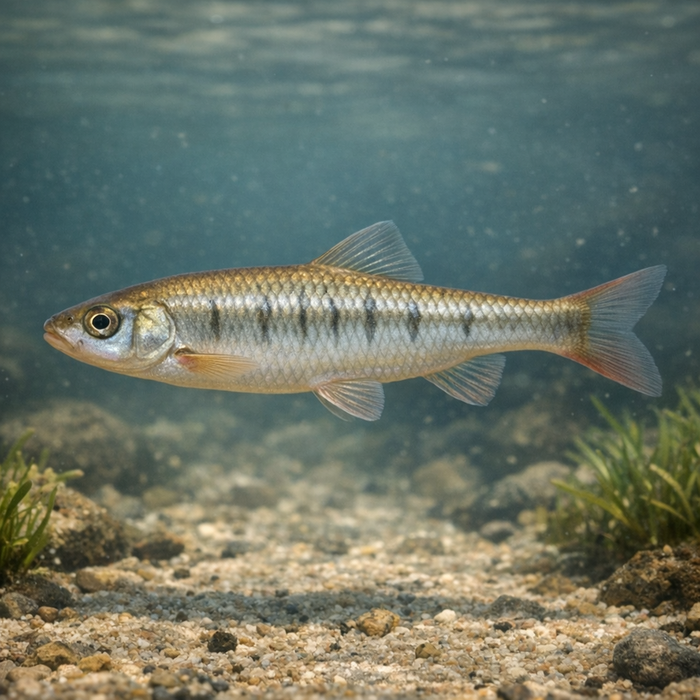
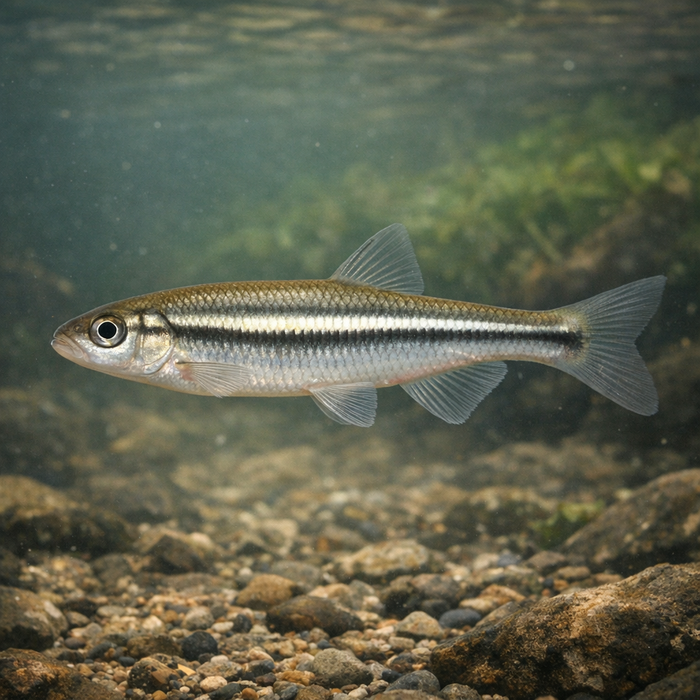
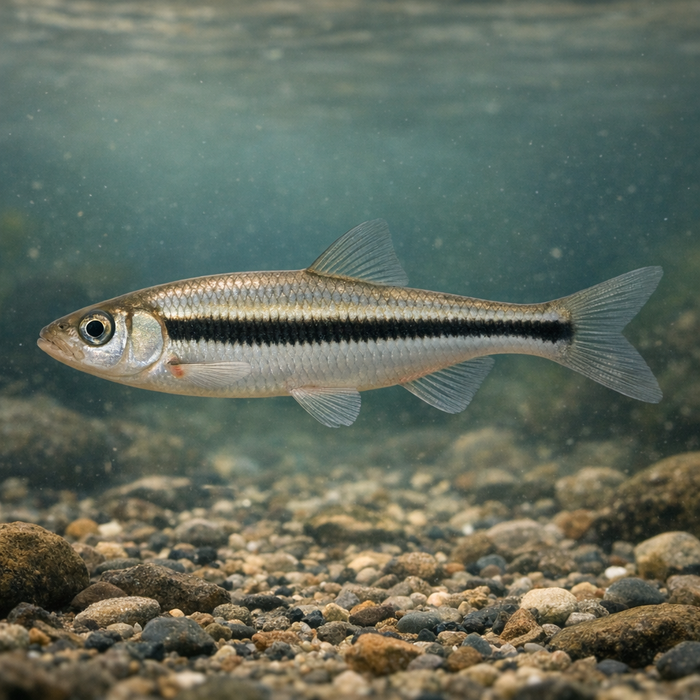
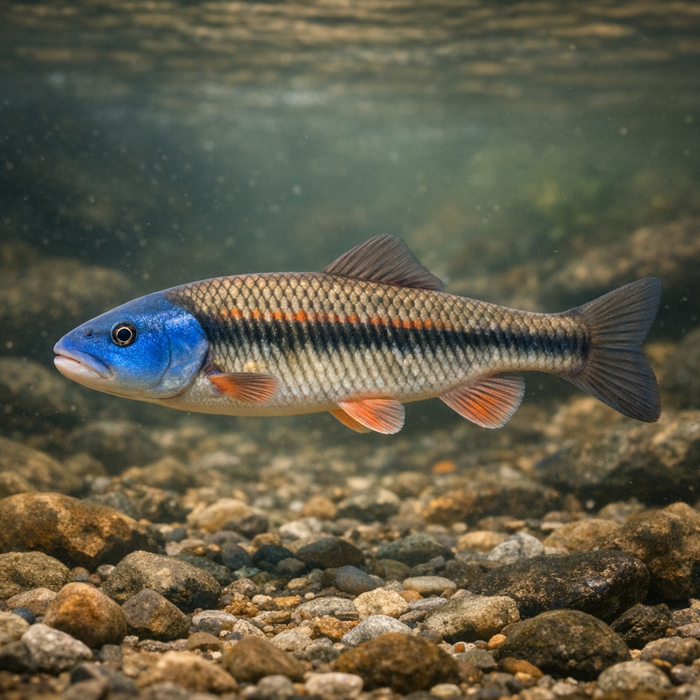
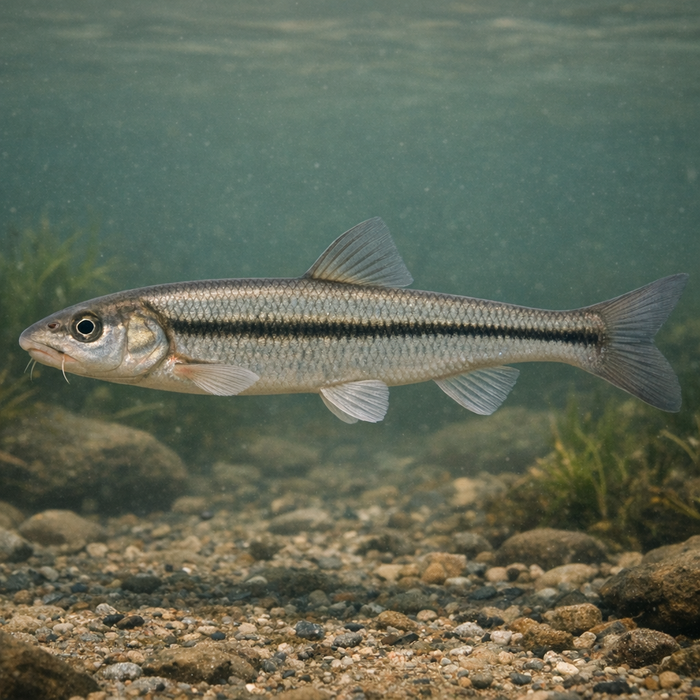
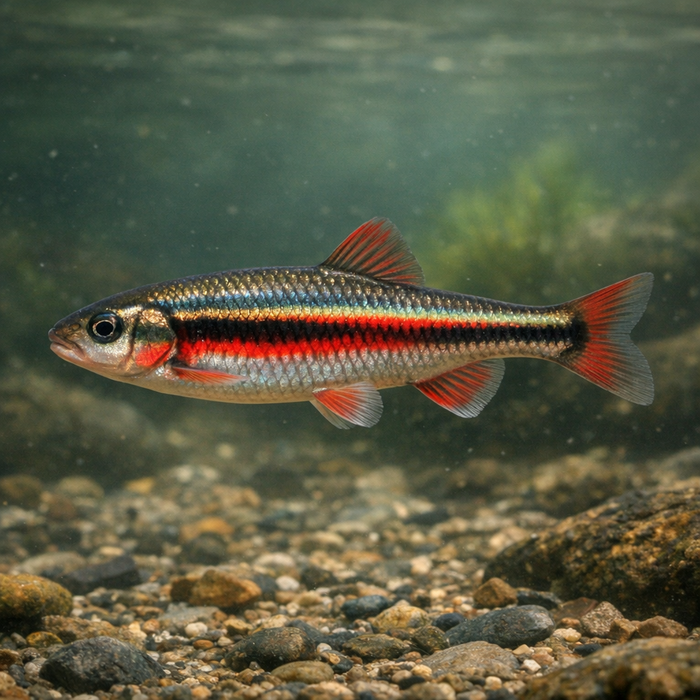
Rio Grande Silvery Minnow (Hybognathus amarus): A Bold, Memorable Hook LineIntroductionThe Rio Grande silvery minnow is the size of a french fry and carries a conservation story bigger than a tarpon. If you're here for Rio Grande silvery minnow facts, you're already the kind of angler who reads the fine print. Good. This fish is small, slick, and federally protected, which means the smart move is learning how it lives, not how to fill a bucket.What Makes the Rio Grande silvery minnow Unique?Two traits define this species. First, it spawns on flow pulses. Spring runoff or managed releases trigger a brief, frenzied broadcast spawn where semi-buoyant eggs drift for miles, settling into quiet pockets. Miss the flow window and you miss an entire year-class. Second, it's a silt specialist. That subterminal, fleshy-lipped mouth vacuums algae-laced detritus from sandy bottoms the way a carp might, but on micro mode. For a fish barely a few inches long, it's outrageously well-adapted to murky, shifting rivers.Habitat & Global RangeIf you want real Rio Grande silvery minnow habitat intel, think warm, turbid, low-gradient river. Historically this minnow rode the Rio Grande and Pecos systems across long distances. Today, its stronghold is the Middle Rio Grande in New Mexico, with ongoing reintroduction work in the Big Bend reach of Texas. It prefers shallow, slow water over sand or fine gravel, with backwaters, eddies, and floodplain pockets during runoff. Depth is ankle to knee. Clarity is often chocolate milk. Structure is subtle: current breaks, point bars, and vegetated slack water.Behavior & TemperamentThe Rio Grande silvery minnow schools, sometimes by the hundreds, hugging softer flows while picking through silt for food. It's not an aggressive striker. Tiny mouth, nibble-forward attitude. Movements track flows: spread into floodplain pockets on high water, slide back to main-channel edges when it drops. Because it evolved with turbidity, clear water can make it edgy and exposed to predators.Ecological ImportanceThis little cyprinid is the canary of the Rio Grande. Its lifecycle needs shifting flows and connected floodplains, which also recharge aquifers, rebuild sandbars, and support a whole buffet for birds, reptiles, and other fishes. Keep the silvery minnow thriving and you keep a river's natural pulse alive. Lose it, and you've likely shaved the river down to plumbing.Conservation & Environmental PressuresDams, diversions, and drought kneecapped this species. Remove spring pulses and eggs don't disperse. Disconnect floodplains and juveniles lose nurseries. Add nonnative predators in clear, regulated water and survival dives further. That's why the Rio Grande silvery minnow is federally endangered and IUCN Critically Endangered. Recovery relies on managed flow releases, habitat restoration, and massive hatchery support to bridge bad water years. For anglers, that translates to look, learn, and leave them be.The FishyAF TakeThe Rio Grande silvery minnow is proof that tiny fish can carry heavyweight stories. If you crave size, chase carp. If you crave meaning, understand why this minnow's eggs need a river that breathes seasonally. Respect closed waters, skip the hero shots, and brag about habitat wins instead. Collect Rio Grande silvery minnow facts, not fish. The best flex is seeing one flicker in the shallows and knowing the river just did something right.