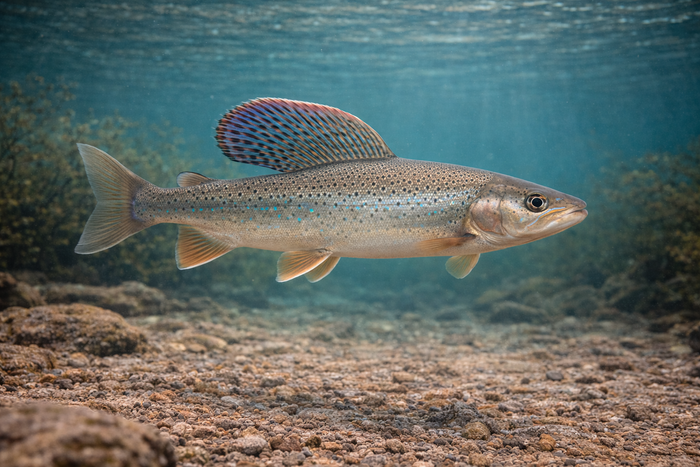
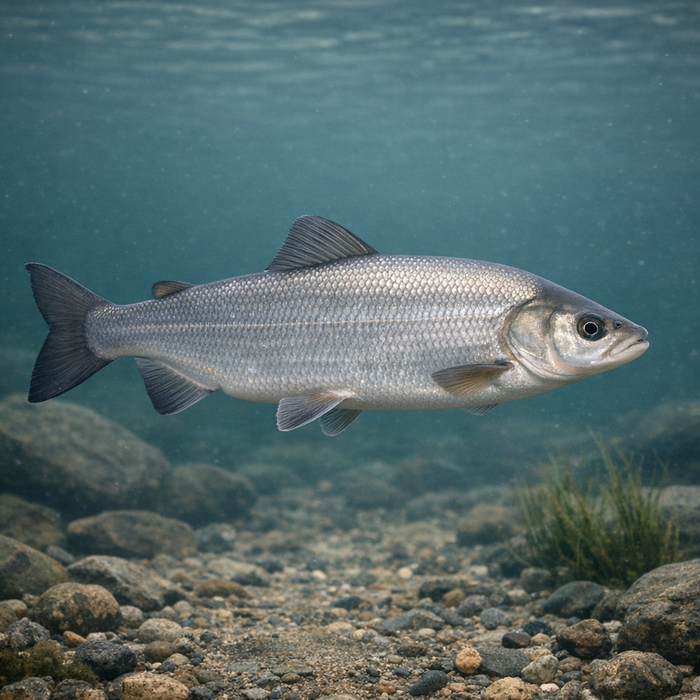
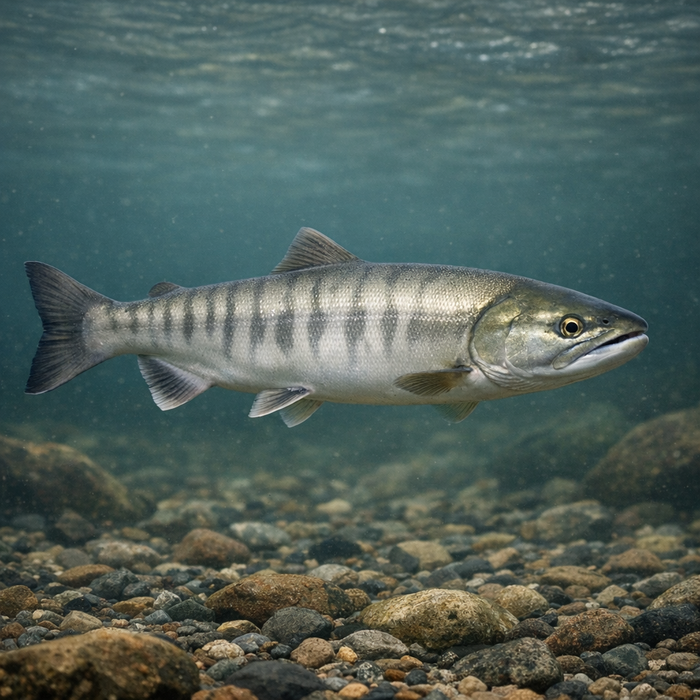
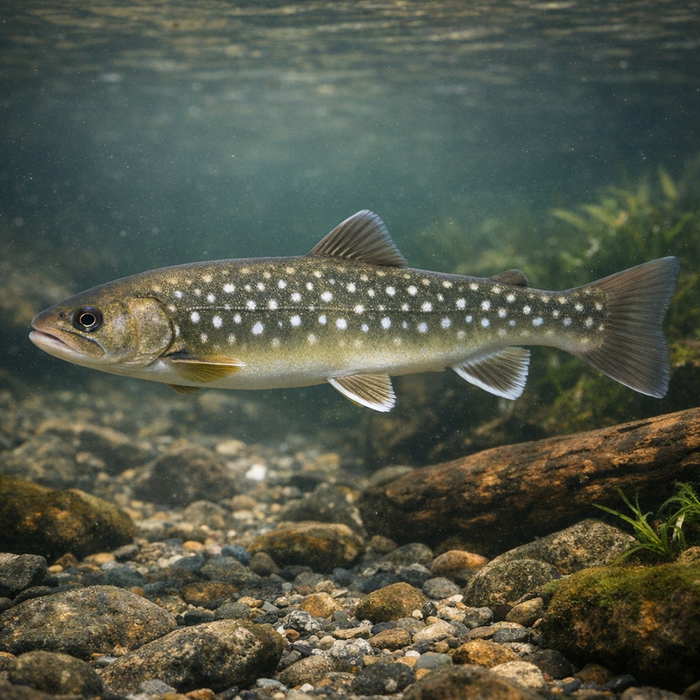
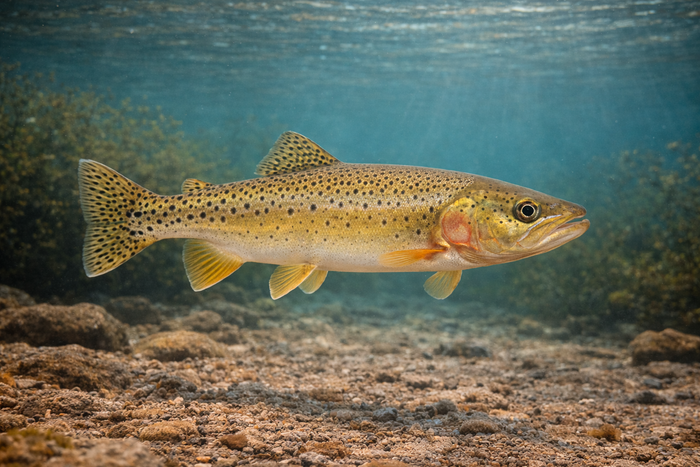
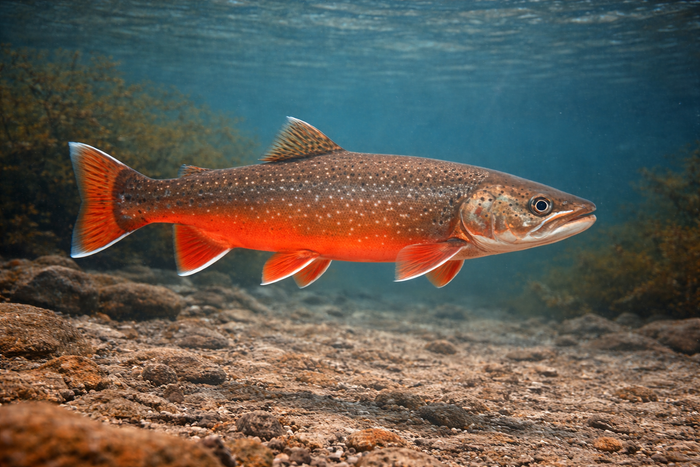
Sakhalin Taiman (Parahucho perryi): The River Giant That Refuses to Stay in Freshwater
The Sakhalin Taiman is the kind of fish that makes a promising pool feel considerably more serious. Long-bodied, broad-headed, and capable of growing beyond a meter, it brings heavyweight predator credentials to East Asia’s cold rivers and lakes. Some populations also enter brackish or coastal waters, making its freshwater reputation only part of the story. It belongs to the salmon family, but this is no ordinary seasonal salmon run with a bigger mouth attached.
For anglers, its appeal comes with an uncomfortable truth: this species is Critically Endangered. The challenge is not simply finding one. It is finding a place where responsible targeting is permitted, understanding the fishery, and leaving the fish with its future intact. That should shape the whole trip, not just the release photograph.
What Makes the Sakhalin Taiman Unique?
Three traits put this fish in a different league. First, it is the only living species in Parahucho, a genus separated from other taimen through biological and genetic evidence. The familiar taimen name hides a genuinely distinctive branch of the salmon family.
Second, some populations move between freshwater and salty environments, while others remain freshwater residents. That flexibility separates the Sakhalin Taiman from the strictly freshwater lifestyles associated with other taimen. Coastal movement does not mean every individual disappears into the open ocean; estuaries and nearshore habitats can be important parts of the picture.
Third, it plays the long game. Individuals can live beyond twenty years, and maturity generally takes several years. Unlike Pacific salmon that die after spawning, this species can reproduce repeatedly. A large adult represents years of survival and potentially more than one future spawning contribution. Those are Sakhalin Taiman facts worth remembering before anyone treats a trophy as disposable.
Habitat & Global Range
The native range encompasses Hokkaido, Sakhalin, the southern Kuril Islands, and parts of the Russian Far East mainland. Within that range, suitable water includes rivers, connected lakes, estuaries, and coastal areas used by migratory fish. Freshwater remains fundamental, especially for reproduction, but the species cannot be understood by looking at river channels alone.
Good Sakhalin Taiman habitat is often connected, structurally complex water. Research has associated larger fish with deep pools and substantial cover, including fallen wood. Juveniles can use slow side channels within floodplains. Protecting the impressive main-river pool while draining its quiet nursery channels would miss half the job.
Hokkaido names such as Lake Shumarinai, Sarufutsu, and Kushiro feature prominently in angling and research discussions. Russia’s Koppi is another recognized stronghold. A famous name, however, is not permission to fish every tributary, bank, or season. Distribution and lawful access are separate questions.
Behavior & Temperament
The Sakhalin Taiman is a predator whose feeding changes as it grows. Young fish consume invertebrates, while larger individuals rely heavily on fish prey. Field research has also found fish and amphibians in juvenile stomachs, so the shift is not a perfectly tidy age-based switch. Nature rarely reads the textbook first.
Movement is equally variable. Tracking in eastern Hokkaido found stronger dawn-and-dusk movement patterns in some river habitats than others, and greater movement during spring than autumn. Other work documented upstream movement when downstream summer temperatures increased. These findings support reading conditions and habitat rather than assuming one universal feeding hour or seasonal address. They describe studied populations, not a guaranteed bite schedule.
Ecological Importance
As a large predator, this species occupies a high position in freshwater food webs. Its survival also depends on habitats used at different life stages: nursery channels, adult holding water, spawning tributaries, and, for some fish, estuarine connections. Conservation therefore has to operate across a watershed rather than around isolated trophy spots.
The Sakhalin Taiman makes a compelling conservation flagship precisely because protecting it requires protecting more than the fish itself. Riparian vegetation, floodplain complexity, and connected waterways all matter. An enormous fish makes the headline; the less photogenic river margins help make that fish possible. Saving the predator without maintaining the surrounding system is not much of a plan.
Conservation & Environmental Pressures
Overharvest, poaching, habitat degradation, and disrupted river connectivity are major concerns. Slow maturation makes adult losses particularly difficult to replace quickly. Spawning concentrations create additional vulnerability, which is why targeting breeding fish is a poor conservation bargain even when they appear easy to locate.
Introduced fish can add another problem. Research in one Hokkaido stream documented rainbow trout building nests over Sakhalin Taiman spawning nests, potentially disturbing buried eggs. Protection is not simply a matter of stopping harvest; the reproductive habitat itself needs attention.
Managed fisheries can establish stronger standards. Lake Shumarinai requires single barbless hooks and release during its open-water fishing period. Elsewhere, anglers must verify targeting permission, closures, access, and tackle requirements before fishing.
The FishyAF Take
This is an expert-level fish that deserves expert-level judgment. Bring tackle capable of controlling the encounter, a proper net, and a release plan. Leave the trophy entitlement at home.
The Sakhalin Taiman is not more impressive because someone kept it, exhausted it for a photograph, or crowded a spawning tributary. Its appeal is the opposite: a distinctive, long-lived predator still holding on in a complicated watershed.
If you earn an encounter where fishing is permitted, make it brief and clean. The best ending is not a fish on the bank. It is a fish disappearing back into water that still works.